Request a consultation

Why Customization Matters (and where it counts)
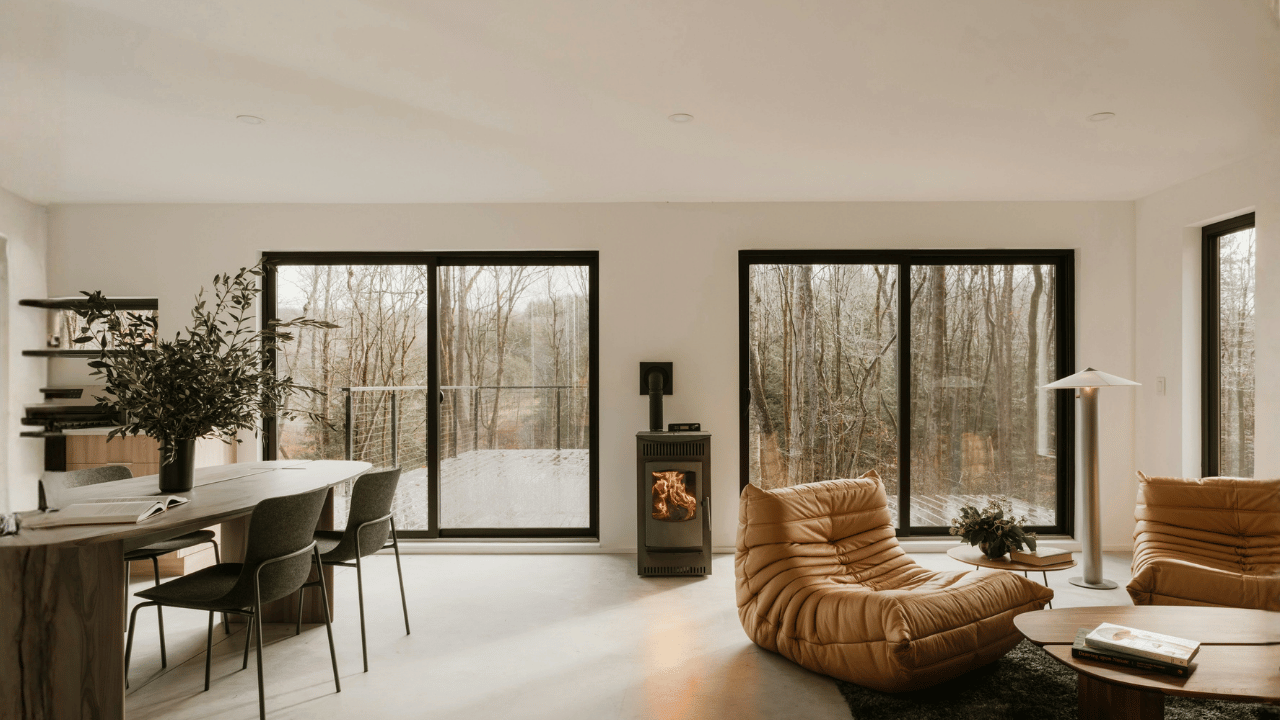
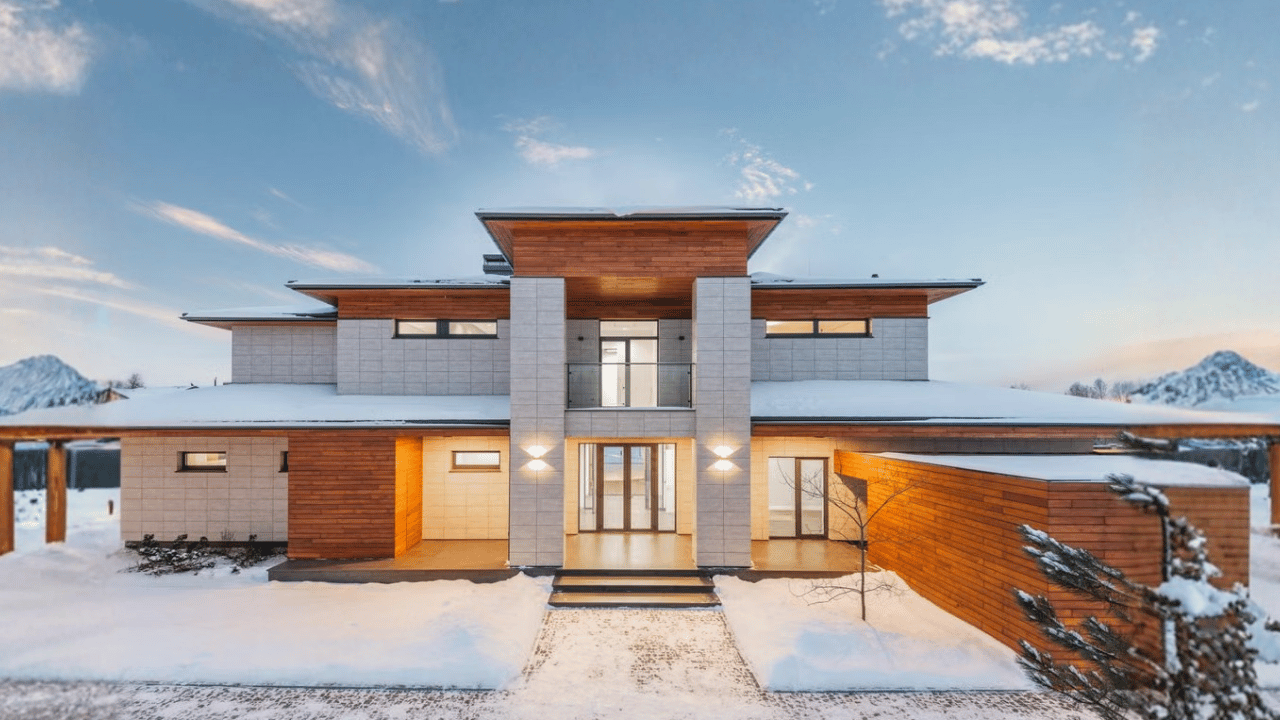
Every home is a one-off: wall thicknesses, exposures, street noise, coastal winds, interior layouts, and personal taste all collide at each opening. That’s why custom window features and specialty door hardware can pay real dividends in comfort, performance, and day-to-day usability. Beyond aesthetics, the physics are compelling: in typical U.S. homes, heat gain and heat loss through windows account for about 25%–30% of heating and cooling energy use—so getting the glazing, frame, and hardware right is a practical path to lower operating costs and better comfort.
Custom Window Types That Solve Real Problems
1. Corner and clerestory windows (visual drama, filtered light)
Corner glass maximizes sightlines and daylight without a center mullion. Clerestories lift the glass band higher, washing ceilings with light while preserving privacy—great for showers, stairwells, and kitchens.
2. Tilt-turn and hopper/awning configurations (flexible ventilation)
European-style tilt-turn units operate as both hopper (secure top-vent) and casement (full side-swing) in one frame—useful where you want trickle ventilation most of the year and a wide egress on occasion. Awnings shed rain while venting; hoppers are compact, basement-friendly problem solvers.
3. Pass-through and service windows (indoor–outdoor flow)
A bottom-sill height aligned with countertop height turns the kitchen into an entertaining station. Look for low-profile sills, integrated locking, and damped hinges for safety.
4. Radius, triangles, and specialty shapes (architecture-first)
Odd geometries can reinforce a façade rhythm or echo rooflines. When you go off-square, prioritize thermal breaks in metal frames and ensure custom shape gaskets match your climate.
Glazing Innovations Worth Knowing
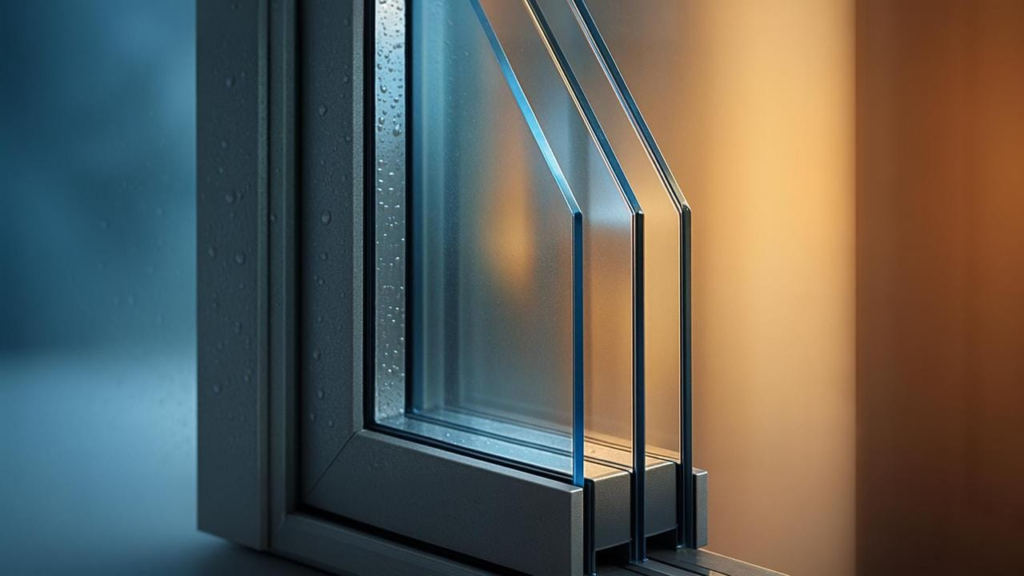
1. Low-E coatings (baseline efficiency)
Modern low-emissivity coatings reflect infrared heat while transmitting visible light. They’re tuned by climate: cold-climate low-E favors passive solar heat gain; hot-climate low-E cuts solar heat.
2. Acoustic laminates (quiet rooms)
Laminated glass sandwiches a PVB interlayer that damps sound and remains bonded when cracked—ideal near busy roads or flight paths.
3. Security and storm packages (strength + clarity)
Impact-rated laminated units and beefed-up frames bring coastal resilience without hurricane shutters. For urban projects, laminated glass plus multi-point locks deters opportunistic entry.
4. Electrochromic “smart” glass (glare control on demand)
Switchable tints handle late-afternoon glare on west elevations without heavy shades, useful where views are too good to cover.
Frames And Finishes That Shape Performance
Thermally broken aluminum (slim profiles; modern look).
A polyamide or similar break decouples interior from exterior metal for better U-factors, while permitting those ultra-thin sightlines people love.
Fiberglass and composites (stability champs).
Dimensionally stable frames shrug off temperature swings and permit darker colors without warping; good fits for high-sun exposures.
Clad wood (warm interior, armored exterior).
You get real wood grains inside, with factory-finished aluminum outside for durability. Just verify drainage paths and field-adjustable sills.
Custom powder coat and anodize (coastal smarts).
Marine-grade anodize or multi-coat powder systems extend life near salt air. Ask for documented cycle testing and finish warranties.
Specialty Door Hardware That Changes Daily Use
1. Pocketing and multi-slide systems
Large-panel sliders can stack or disappear into pockets to erase boundaries. Look for stainless rollers, sealed tracks, and weep management for storm events.
2. Lift-slide mechanics
A turn of the handle lifts panels onto rollers, reducing friction so even a 10-foot glass panel glides with two fingers. The same action compresses gaskets when “down” for weather tightness.
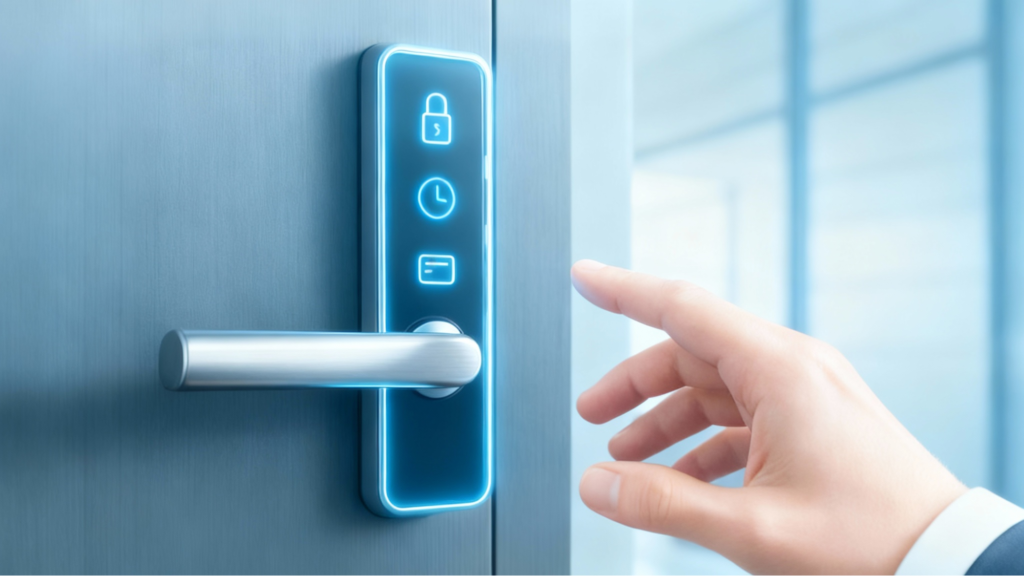
3. Multi-point locking (security + sealing)
Instead of one latch, the handle engages several lock points top-to-bottom—improving both forced-entry resistance and air/water performance.
4. Concealed hinges & soft-close checks
Flush, modern profiles benefit from hidden hardware. On outswing patio doors, damped closers prevent slams and reduce hinge stress.
5. Thresholds and accessibility
Low-profile, thermally broken thresholds reduce trip hazards and drafts. For universal design, confirm wheelchair clearance and water management under driving rain.
Integrated Screens And Shades
Retractable screens vanish when you don’t need them—a boon for view-centric designs. Between-the-glass shades (sealed inside IGUs) resist dust, pets, and kid fingerprints, and can be motorized.
Smart Controls And Sensors
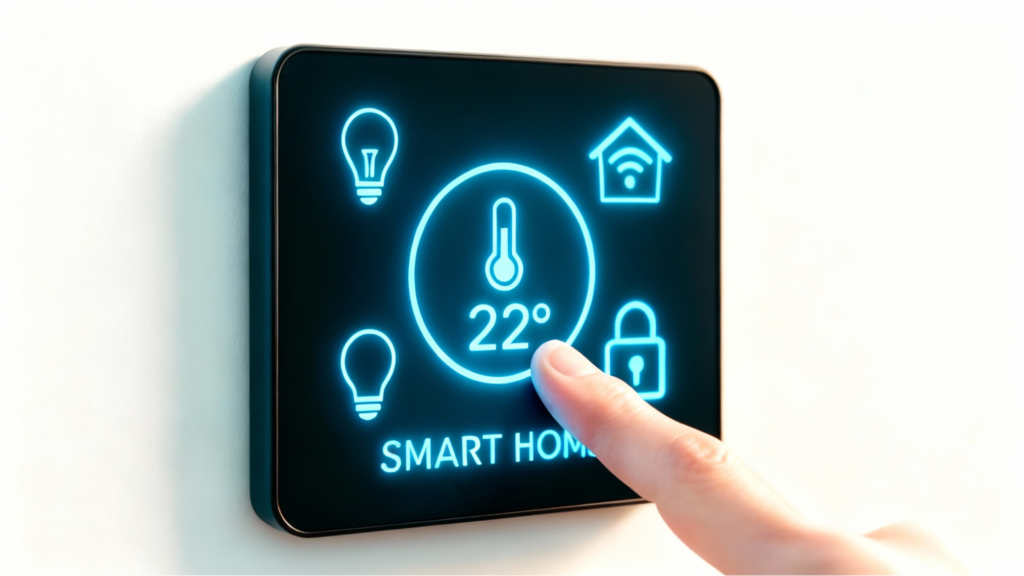
Motorized operators on high clerestories, CO₂-triggered vents for stuffy rooms, and reed-switch sensors that talk to your security system all fit neatly into custom fenestration packages. If you’re layering in whole-home control, verify low-voltage cabling paths early.
How To Spec: A Quick Decision Tree
- Start with climate. Hot-humid, hot-dry, marine, mixed, or cold demands different SHGC/U-factor targets.
- Set performance targets. Daylight goals; sound reduction (dB); coastal or impact rating; egress; privacy.
- Choose the operation you’ll actually use. Casements catch breeze; sliders save swing clearance; tilt-turns multitask.
- Pick a frame family that suits exposure and finish goals. Fiberglass/composites for stability; thermally broken aluminum for minimal sightlines; clad wood for tactile warmth.
- Lock in hardware and screens. Multi-point locking, retractable screens, and threshold details should be part of the first quote.
- Confirm ratings. Ask for NFRC labels showing U-factor, SHGC, visible transmittance, and air leakage; compare apples to apples.
Custom doesn’t have to mean chaotic. Build in lead time for shop drawings; mock up a typical opening; and phase installations so you always have at least one egress door and adequate security each night. Pricing will vary by material and complexity; get line-item quotes that separate glass package, frame/finish, hardware, and installation so you can value-engineer intelligently without undercutting performance.
Final Thoughts
Custom window features and specialty door hardware are where architecture meets everyday life: easier ventilation, safer thresholds, quieter bedrooms, and effortless indoor–outdoor circulation. Start with climate-appropriate glazing, pick the operations you’ll actually use, and make hardware choices early so the wall, wiring, and drainage details are right from day one.
If you’re exploring tailor-made innovations for a single opening or a whole home, Modern Windows & Doors can help you translate goals into a spec and an install plan—get started today.
Related Posts
Best Replacement Windows for Historic Colorado Homes: Preserve Character Without Sacrificing Performance
Read More
DIY vs. Professional Window Replacement in Colorado: Cost, Risk, and When to Hire an Installer
Read More