Request a consultation

TL;DR — Replacement windows for historic Colorado homes
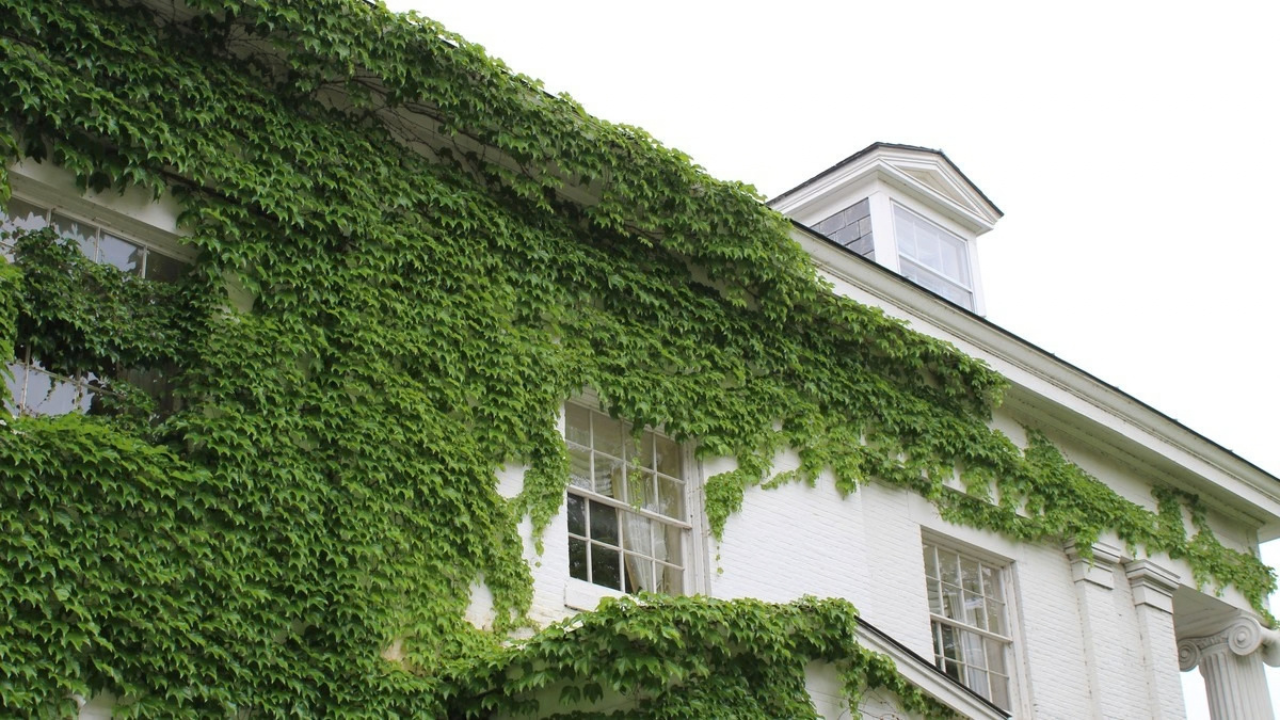
The best window strategy for a historic Colorado home starts by deciding what should be repaired, retained, or replaced. When replacement is justified, custom sizing, compatible frame profiles, thoughtful grille patterns, appropriate glass, precise installation, and lead-safe work can improve comfort while preserving the home’s character.
Key Takeaways
- Evaluate existing windows before assuming every opening needs replacement.
- Match proportions, frame depth, sash profiles, muntins, operation, and exterior trim.
- Custom sizing can preserve original openings and limit unnecessary changes.
- Glass should balance thermal performance, solar exposure, appearance, and architecture.
- Pre-1978 homes require careful lead-safe planning when painted components are disturbed.
- Check historic-district or landmark requirements before ordering products.
What are the best replacement windows for historic Colorado homes?

The best replacement windows for historic Colorado homes improve performance without erasing the proportions, profiles, and details that define the building. The right approach may be repair, a storm-window upgrade, selective sash replacement, an insert, or a carefully matched full-frame replacement.
Joshua here, owner of Modern Windows & Doors. We start with the opening’s condition, architecture, exterior materials, and performance goals.
Our window replacement services page explains how we plan custom-fit replacements when a new window is the right solution.
Should historic windows be repaired or replaced?

Historic windows should be repaired when the original materials are serviceable and repairs can solve the problem. Replacement becomes more appropriate when deterioration, missing components, repeated failure, or project requirements make repair impractical.
National Park Service guidance says deteriorated historic features should be repaired rather than replaced when possible. When replacement is necessary, the new feature should match the old in design, color, texture, and other visual qualities.
How do you preserve historic character when choosing new windows?

Preserving historic character means matching the visual relationships people notice. Frame width, sash proportions, meeting-rail location, muntin pattern, glass area, sill depth, trim, color, and operating style often matter more than choosing a material marketed as traditional.
A narrow historic opening can look wrong if a replacement adds bulky frame material and reduces visible glass. Divided-light patterns can also change the exterior appearance when bar width or spacing does not align with the original design.
When is custom sizing worth it in an older home?

Custom sizing is worth it when standard dimensions would force unnecessary changes to an original opening or compromise replacement proportions. Older homes can have openings that vary because of original construction methods, past repairs, settlement, or later alterations.
A custom-fit window can help maintain opening size, sightlines, trim relationships, and interior finish while reducing infill or reframing. Accurate field measurements are essential. We measure each opening rather than assuming similar-looking windows share identical dimensions.
Which frame profiles work best for historic architecture?

The best frame profile respects the home’s original depth and proportions while meeting current performance needs. Wood and wood-clad products are common when a traditional interior appearance and refined profiles are priorities, but other materials can work in the right design.
Compare visible frame and sash dimensions, not just brochure images. Look at exterior casing, sill shape, meeting rails, hardware, grille construction, and remaining glass area.
Can historic windows be made more energy efficient without full replacement?

Historic windows can often be made more comfortable without full replacement when frames and sashes remain repairable. Weatherstripping, targeted air sealing, glazing repairs, and compatible storm windows can address drafts while retaining original materials.
National Park Service weatherization guidance notes that a well-designed storm window can improve thermal performance. It also cites research showing that a historic window combined with a storm window can perform similarly to a new low-E vinyl replacement window under the studied conditions.
What glass should you choose for a historic Colorado home?

Glass should balance thermal performance, solar exposure, comfort, safety, and appearance. Low-emissivity coatings, insulated glass, laminated options, and different solar-heat-gain characteristics can be useful, but the right package depends on the window’s orientation and the home’s design.
West-facing openings may need different solar control than shaded north-facing windows. Colorado homes also face strong sun, wind, snow, and large temperature changes.
Tint, reflectivity, spacer appearance, or thicker assemblies can alter the appearance of a historic facade.
What should you know about lead-safe window replacement?

Lead-safe window replacement is important in pre-1978 homes because removing windows can disturb painted components and create dust. Sashes, stops, jambs, trim, and nearby finishes may all be affected.
EPA’s Lead Renovation, Repair and Painting Program requires paid contractors performing covered renovation work in pre-1978 housing to meet certification and lead-safe work-practice requirements. EPA identifies window replacement as a covered activity.
Lead-safe planning should be part of the scope before demolition starts, not a cleanup decision afterward.
Do historic districts or landmark rules affect window replacement?

Historic-district or landmark rules can affect window replacement when a property is subject to local preservation review, easements, tax-credit requirements, or other protections. The process depends on the property and jurisdiction.
Before ordering, confirm whether exterior changes require approval and which features reviewers expect to be retained or matched.
Our Colorado window permits guide explains how local requirements and historic preservation reviews can affect the project.
What should you ask a window installer about an older home?

Ask how the proposed window will preserve the existing opening, visible proportions, water management, and finish details. A useful proposal should address more than the product name.
Ask:
- Can the existing window be repaired or selectively upgraded?
- Will the project use an insert, sash-only approach, or full-frame replacement?
- How will custom sizes be measured and verified?
- What trim, masonry, siding, or stucco will be disturbed?
- How will flashing and perimeter sealing be handled?
- How will lead-safe work be managed when applicable?
- Who handles permits or preservation approvals when required?
Frequently asked questions about historic window replacement

Do replacement windows lower a historic home’s value?
Not automatically. The effect depends on the home, the condition of its original windows, product quality, installation, and how well the replacement respects the architecture. Poor proportions can diminish character, while a careful solution may improve comfort without looking out of place.
Are custom windows always required for historic homes?
No. Some older openings can accept standard or semi-custom configurations. Custom sizing becomes valuable when preserving opening size, trim, profiles, or unusual shapes is important.
Should every window in a historic home match?
Visible consistency usually matters, but every opening does not need the same treatment. A thoughtful plan can retain repairable historic windows and use compatible replacements where condition or performance needs differ.
Summary: Preserve the architecture while improving the opening

Choosing the right replacement windows for historic Colorado homes starts with careful evaluation. Repair what remains serviceable, preserve the details that define the architecture, and choose custom-fit replacements where they improve the home without unnecessary loss of character.
We help Colorado homeowners evaluate older and distinctive openings with accurate measurements, thoughtful product recommendations, and precise installation planning. If you are considering replacement windows for a historic or architecturally sensitive home, request a design consultation so we can build a scope around both performance and preservation.
Related Posts
DIY vs. Professional Window Replacement in Colorado: Cost, Risk, and When to Hire an Installer
Read More
Are Window and Door Tax Credits Still Available in 2026? Colorado Incentives and Rebate Options
Read More