Request a consultation

Design Inspiration: Custom Windows & Doors for Modern Homes

The modern look, simplified

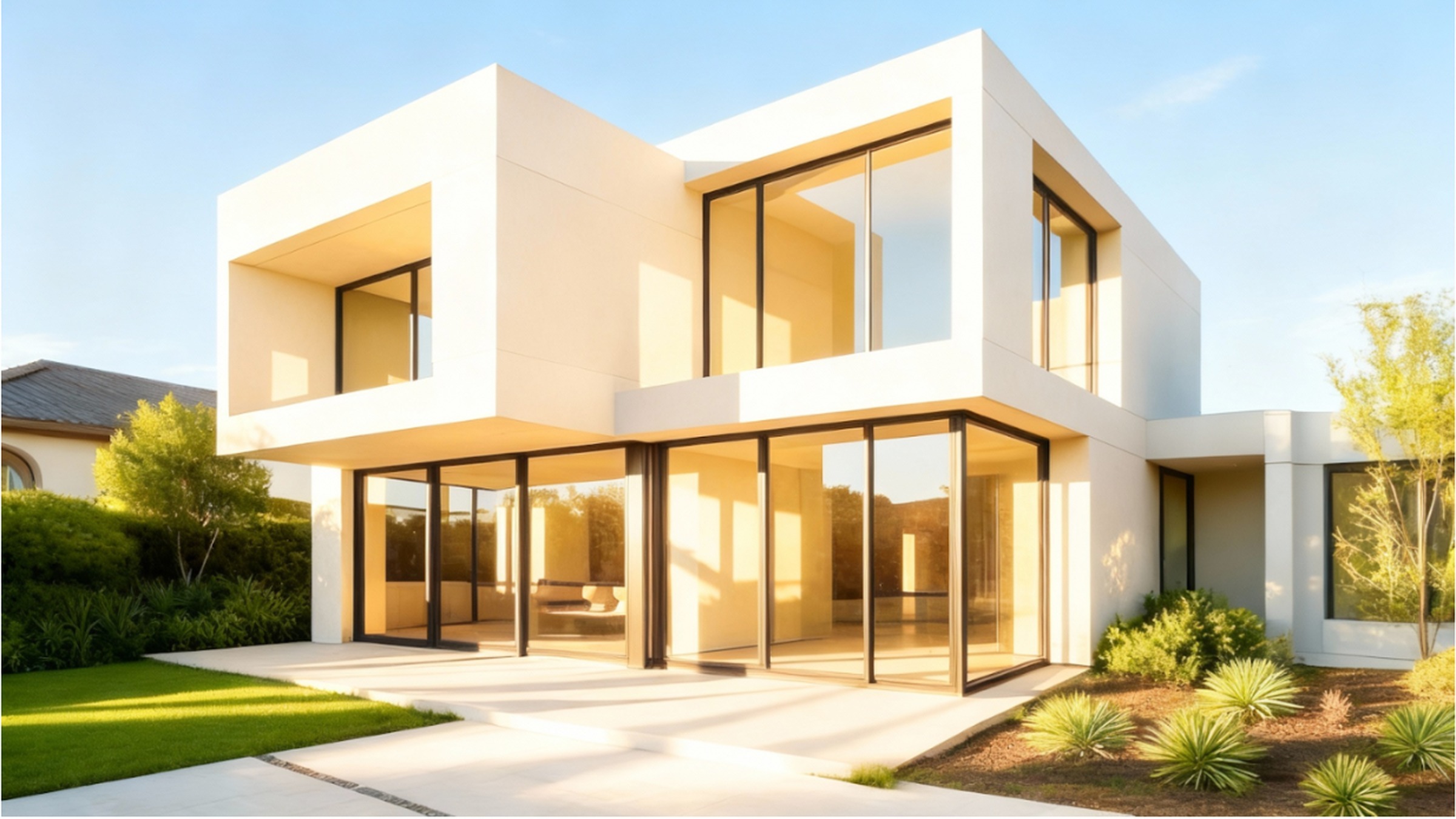
Modern homes celebrate clean lines, balanced proportions, and light-filled spaces. Custom windows and doors let you dial in those elements (slim sightlines, taller proportions, and coordinated finishes) so the envelope and design feel cohesive inside and out.

Bigger glass, slimmer frames

  • Floor-to-ceiling windows: Use fixed picture units where views matter and pair with operable casements or awnings for controlled ventilation.
  • Minimal profiles: Fiberglass, thermally-broken aluminum, or wood-clad systems offer slender frames that maximize glass without sacrificing performance.
  • Grids (or no grids): In modern settings, go grid-free or choose narrow, asymmetrical muntins for a curated, architectural vibe.

Door statements that work

  • Wide sliders & multi-sliders: Create a seamless indoor-outdoor connection with panels that stack or pocket.
  • Hinged French with a twist: Full-lite pairs with slim stiles feel contemporary while preserving symmetry.
  • Pivot entries: A bold pivot door with a hand-finished pull turns the foyer into a gallery moment (ensure proper overhang and weather detailing).

Glass you can live with

  • Low-e coatings: Choose spectrally selective low-e to admit daylight while managing heat.
  • Privacy, without the cave: Use satin-etched, ribbed, or reeded glass in baths and street-facing areas to maintain light while softening views.
  • Acoustics: Laminated glass dramatically cuts traffic hum and yard noise—especially helpful along busy streets.

UVA rays can penetrate ordinary window glass, but UV-blocking window films and laminated glass can block 99% of UVA and UVB while still letting in daylight—useful wherever you sit near large windows or drive long distances.

Light control made beautiful

Light control made beautiful

  • Exterior shading: Fixed overhangs, brise-soleil, or modern awnings cut summer glare on big south and west elevations.
  • Interior layers: Pair translucent roller shades with blackout drapery in bedrooms; consider motorization for hard-to-reach clerestories.
  • Orientation matters: Favor north and shaded south glazing for soft, even daylight; limit expansive east/west glass or add shading to tame low-angle sun.

Finishes & hardware that tie it together

  • Finish palette: Matte black remains a staple; warm metallics (silicon bronze, aged brass) add richness without reading traditional.
  • Hardware: Streamlined levers, multipoint locks, and minimal pulls align with flat panel cabinetry and linear lighting.
  • Color blocking: Consider dark exterior frames for crisp elevation lines and softer interior tones (warm gray, natural wood) to blend with floors and millwork.

Practical notes for long-term performance

  • Coordinate door thresholds with finished floor heights to avoid trip edges.
  • Detail sills with pan flashing and end dams; insist on backer rod + sealant joints that can expand/contract.
  • Confirm local egress, tempered-glass, and safety glazing requirements at baths and near doors.

Ready to bring it to life?

If you want help translating these ideas into an actual opening schedule, sizes, and glass packages tailored to your climate and sun exposure, start a quick project brief with us today. A knowledgeable specialist can recommend options that fit your style, performance goals, and budget.

Essential Maintenance & Efficiency Upgrades for Home Windows & Doors

Why maintenance matters

Windows and doors do a lot more than frame the view. They seal out weather, reduce noise, and help keep heating and cooling costs in check. Small issues like cracked caulk, or worn weatherstripping, let conditioned air escape and outdoor air creep in, making your HVAC work harder than it should.

According to the U.S. Department of Energyheat gain and heat loss through windows account for about 25%–30% of residential heating and cooling energy use—so tightening up these openings pays off quickly.

Quick wins you can do this weekend

caulking window crack

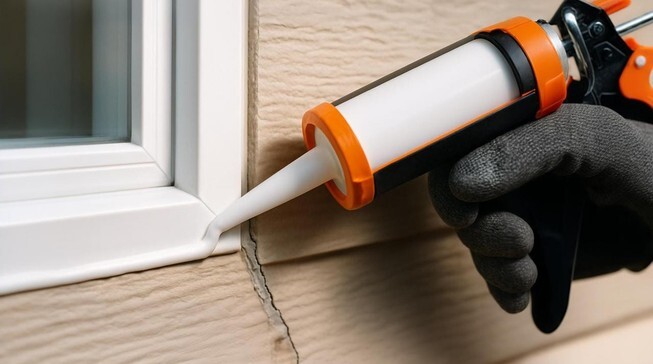
  • Re-seal perimeter caulk. Inspect exterior window and door perimeters for cracked or missing caulk. Remove failed beads, clean the joint, and apply a high-quality exterior sealant compatible with your siding and frame material.
  • Refresh weatherstripping. If you feel a draft around sashes or at door jambs, replace worn foam, V-strip, or bulb seals. Make sure the door latch compresses the seal evenly all around.
  • Adjust thresholds & sweeps. On entry doors, lower the threshold or replace the door sweep so a sheet of paper drags (but doesn’t jam) when closed.
  • Lubricate moving parts. Clean and lubricate hinges, rollers, and multipoint locks with a silicone-safe product to reduce wear and improve closing pressure.

Efficiency upgrades with outsized impact

  • Add low-e storm windows (for older single-pane windows). Modern low-emissivity storm units can significantly cut heat loss and drafts at a fraction of full replacement cost, and many are DIY-friendly.
  • Apply selective window films (hot-sun exposures). Spectrally selective films can trim solar heat gain and glare while preserving daylight and views—useful on west- and south-facing glass.
  • Tune shading. Deep overhangs, awnings, or exterior shades help block high summer sun while admitting low winter sun. Interior cellular shades with side tracks can further reduce conductive heat loss at night.

Seasonal checklist

seasonal maintenance checklist windows doors

Spring/Summer

  • Wash tracks and weep holes so rainwater drains freely.
  • Check screens for tears and proper fit (bugs love gaps).
  • Consider reflective films or exterior shading for late-day rooms that overheat.

Fall/Winter

  • Inspect interior glazing beads and sash stops for gaps.
  • Close and lock windows to fully engage compression seals.
  • Use insulating cellular shades or layered draperies at night to cut conductive losses.

When repair isn’t enough

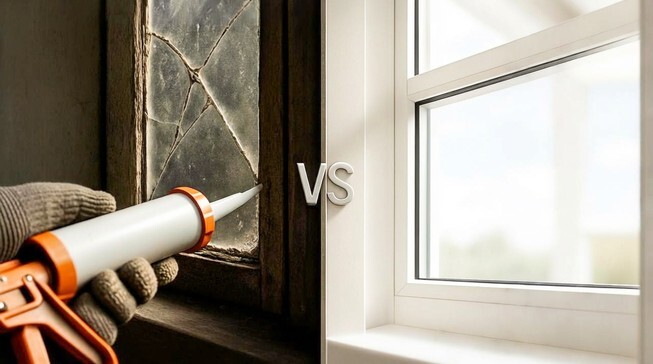
caulking old vs new window

If your home still has single-pane windows, failing seals, or warped frames, replacement can improve comfort, reduce noise, and stabilize indoor humidity. Look for products that carry NFRC performance labels and select values appropriate for your climate: a low U-factor for insulation and an SHGC suited to your sun exposure.

Bottom line

Start with simple sealing and weatherstripping, add targeted upgrades like low-e storms or window films on problem exposures, and plan for replacement when components are at end of life. Your home will feel more comfortable—and your HVAC will too.

Thinking about professional help? If you’re ready to evaluate repair vs. replacement, our team can assess your openings, explain options in plain English, and provide an estimate—no hard sell, just straight guidance for your home.

Top Installation Tips & Tricks for Your New Windows & Doors

Whether you’re hiring a pro (recommended) or just preparing your home, these tips help ensure a smooth, clean, compliant install, and great long-term performance.

Before Installation Day

1) Confirm the Scope and Measurements

  • Review your signed proposal: window/door types, sizes, glass, colors, hardware, and grids.
  • Verify door handing and egress/lite requirements for bedrooms and baths.
  • Re-measure rough openings, noting any out-of-square conditions.

2) Choose the Right Installation Method

  • Insert/retrofit uses the existing frame—faster and less intrusive if the frame is sound.
  • Full-frame replacement removes the old frame—best for damaged frames, air/water issues, or when changing styles/sizes.

Align the choice with performance goals and budget; ask your installer to explain why. Why hire a pro? Professional installation ensures proper flashing, sealing, and weatherproofing. According to the U.S. Environmental Protection Agency, upgrading from old single-pane windows to certified replacements can cut household energy bills by up to 13%. The 2024 Cost vs. Value report also notes that vinyl window replacements recoup about 67% of their cost at resale.

3) Plan for Water Management

Plan for Water Management

Moisture is the enemy. Ensure your installer includes:

  • Sloped or pan-flashed sills.
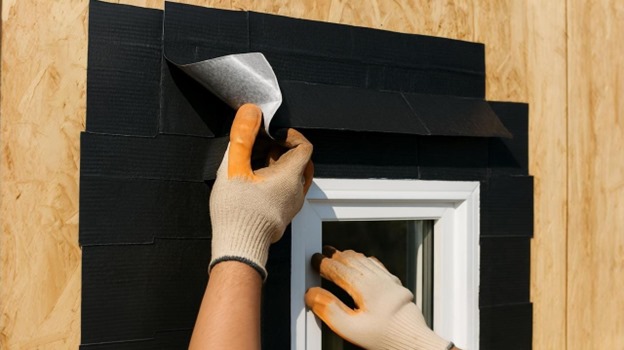
  • Self-adhesive flashing applied shingle-style around the perimeter.
  • Backer rod and low-expansion foam for insulation.
  • High-quality exterior sealant compatible with cladding.

4) Prep the Home

  • Clear 3–4 feet around each opening; remove blinds, curtains, art, and small furniture.
  • Create a clear path from entry to work areas; protect floors.
  • Secure pets and prepare for noise and dust.
  • If painting or stucco is planned, coordinate the order and drying times with your installer.

During Installation

During Installation

5) Verify Plumb, Level, and Square—Don’t Rush This Step

  • Dry fit, then set with shims at structural points.
  • Fasten per manufacturer specs (over-driving can warp frames).
  • Check reveal gaps and sightlines before sealing.

6) Insulate Correctly

  • Use low-expansion foam or mineral wool; avoid over-filling.
  • Maintain weep paths and drainage channels.

7) Seal the Exterior Like a Weather Jacket

  • Apply sealant to clean, dry surfaces.
  • Tool smooth, continuous beads.
  • Follow temperature and cure-time guidelines.

8) Protect Finishes

  • Mask cladding and trim if caulking or painting nearby.
  • Use drop cloths; vacuum as you go to prevent scratches.

After Installation

9) Function Check & Adjustments

  • Operate every sash and door panel; test locks and hinges.
  • Confirm smooth operation and full engagement of multi-point locks.
  • Lubricate hardware per manufacturer guidance.

10) Final Punch List & Documentation

  • Review drywall, trim, or stucco patches.
  • Confirm glass type stickers (low-E, tempered where required).
  • Photograph each opening for records.
  • Collect care instructions, warranty documents, and proof of permit/inspection.

11) Care & Maintenance Basics

  • Clean tracks and hardware seasonally; keep weep holes clear.
  • Use non-abrasive cleaners on glass and finishes.
  • Re-caulk joints as needed over time.

Common Pitfalls to Avoid

  • Skipping sill pans or mis-sequenced flashing.
  • Over-foaming frames, causing bowing.
  • Blocking weep holes with sealant or debris.
  • Incorrect door handing or swing direction.
  • Forgetting tempered/laminated glass in required zones (see International Code Council for current building code standards).

How Modern Windows & Doors Delivers a Great Install

How Modern Windows & Doors Delivers a Great Install

  • Certified crews trained on manufacturer specifications.
  • Clean worksites with home protection and daily tidy-ups.
  • Clear communication: arrival windows, progress updates, and next steps.
  • Post-install walkthrough so you understand operation and maintenance.

Ready for a Neat, Compliant Install?

Request your in-home estimate and we’ll map out your project step by step. Disclaimer: Building codes and manufacturer instructions vary. Always follow the product’s current installation manual and local regulations. For best results, hire a licensed professional installer.

How to Budget for Your Residential Window & Door Replacement

Who This Guide Is For

Homeowners planning a residential replacement project and looking for a clear, step-by-step way to budget, without guesswork.

Quick Takeaway

Your total investment is shaped by five key levers:

  1. Scope (how many openings)
  2. Product (frame, glass, hardware)
  3. Installation complexity (framing, stucco/siding, heights)
  4. Code & permits
  5. Finishing (trim, paint, stucco)

Control these levers, and you control your spend.

According to the U.S. Department of Energy, heat gained and lost through windows accounts for 25–30% of residential heating and cooling energy use. The 2024 Cost vs. Value report also finds that vinyl window replacements recoup about 67% of their cost at resale.

1) Start with a Clear Scope of Work

Create a simple inventory of what you’re replacing.

  • Openings: windows (by type) and doors (entry, patio, French, multi-slide).
  • Sizes: rough opening width × height.
  • Priorities: must-replace now vs. can-wait.
  • Performance goals: energy, noise, security, daylight, style.

Pro Tip: Bundle similar openings. Ordering and installing in groups reduces waste and labor time.

Sample Scope Worksheet

Opening Room Type Size (RO) Priority Notes
#1 Primary Bedroom Casement 36″ × 54″ Must Tempered glass by code
#2 Living Picture 72″ × 60″ Must Consider low-E upgrade
#3 Patio Sliding Door 96″ × 80″ Can-wait Future multi-slide option

2) Choose a Good-Better-Best Product Strategy

Instead of pricing every option from scratch, align on three curated tiers that balance performance and aesthetics. Mix tiers by room if needed.

Tier Typical Features When to Choose
Good Vinyl or aluminum, double-pane low-E, standard hardware Rental units, secondary bedrooms, quick ROI
Better Composite or fiberglass, upgraded low-E/argon, laminated for noise/security, premium hardware Main living areas, curb appeal, comfort
Best Wood-clad or architectural aluminum, thermally broken frames, triple-pane, custom colors, designer hardware Statement façades, coastal/high-sun, forever home


Optimization Idea: Use Best where most visible or sun-exposed; apply Good/Better in less critical areas to balance budget and performance.

3) Budget for Installation Complexity

Budget for Installation Complexity

Even identical windows can vary in install cost depending on site conditions.

Common Cost Drivers:

  • Wall system: stucco, brick, stone, siding, or block.
  • Method: retrofit insert vs. full-frame replacement.
  • Access: second story, high ceilings, tight yard access.
  • Water management: sill pan flashing, membranes, low-expansion foam.
  • Disposal & repairs: rot remediation, drywall/trim, stucco, paint.

Ask during consultation: What method will you use, and how will you protect the weather barrier? Clear answers here prevent costly surprises.

4) Don’t Forget Codes, Permits & Inspections

Local codes often require:

  • Tempered or laminated glass near doors and wet areas.
  • Egress sizes in bedrooms.
  • U-factor/SHGC limits.
  • Structural considerations for large openings.

Budget for permit fees, possible engineer letters, and post-install inspections. These steps are often mandatory for resale.

5) Build a Realistic Timeline (and Cash-Flow Plan)

  • Design & selections: 1–2 weeks (longer for custom finishes).
  • Ordering lead time: varies by manufacturer and season.
  • Install times: windows: 0.5–2 hours each; doors: 3–6 hours.

Payment Milestones: deposit to order, progress payment at delivery/start, balance at completion and inspection.

6) Financing Options to Smooth the Budget

  • 0% or low-APR promotional plans (subject to approval).
  • Traditional financing (personal loans, home-equity).
  • Phased projects—tackle must-replace first, schedule the rest later.
  • Energy incentives—check Energy Star’s rebate finder for local utility or tax credits.

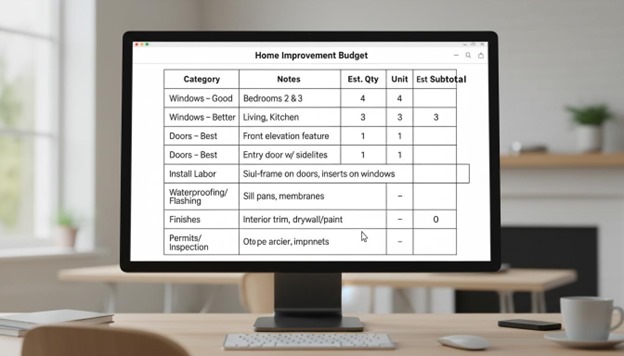
7) Pull It Together: Budget Template

Pull It Together Budget Template

Use this framework to request apples-to-apples quotes and track decisions.

Category Notes Est. Qty Unit Est. Subtotal
Windows – Good Bedrooms 2 & 3 4
Windows – Better Living, Kitchen 3
Windows – Best Front elevation feature 1
Doors – Better Patio slider 1
Doors – Best Entry door w/ sidelites 1
Install Labor Full-frame on doors, inserts on windows
Waterproofing/Flashing Sill pans, membranes
Finishes Interior trim, drywall/paint
Permits/Inspection City permit + inspection


Tip: Keep a 5–10% contingency for hidden conditions like rot or non-conforming openings.

8) How Modern Windows & Doors Helps You Budget Confidently

  • Curated good-better-best options for easy comparison.
  • Transparent proposals that itemize products, labor, finishes, and permitting.
  • Professional installation following manufacturer specs and best practices.
  • Flexible scheduling to minimize disruption.

Next Step

Schedule your free consultation to get a tailored scope and a line-by-line proposal you can trust.

How Can Design Inspiration Transform Your Home’s Windows and Doors?

Choosing the right windows and doors can dramatically elevate the look and feel of your home. But where do you find the best design inspiration to guide your choices?

This comprehensive guide explores how thoughtful design inspiration helps homeowners select windows and doors that enhance style, function, and value. Whether you’re building new or renovating, understanding design principles and current trends will help you make informed decisions that transform your living space.

Table of Contents

  1. What Is Design Inspiration and Why Does It Matter?
  2. Where Can I Find Design Inspiration for Windows and Doors?
  3. How Do Windows and Doors Influence Home Design?
  4. What Are Popular Design Trends for Windows and Doors?
  5. How Can I Customize Windows and Doors to Reflect My Style?
  6. Design Inspiration by Home Style
  7. Energy Efficiency Meets Design
  8. Color and Finish Considerations
  9. Hardware and Decorative Elements
  10. Professional Installation and Design Support

What Is Design Inspiration and Why Does It Matter?

Design inspiration refers to the creative ideas and influences that help shape your choices when selecting architectural features like windows and doors. It encompasses everything from color palettes and material choices to proportions and architectural details that create cohesive, beautiful spaces.

Design inspiration matters because these choices define your home’s character, impact curb appeal, and influence natural light and energy efficiency. The right windows and doors can increase your home’s value by 7-15% while dramatically improving your daily living experience through better light, views, and functionality.

Consider this example: A 1960s ranch home with small, dated windows can be transformed into a modern showcase by installing large, contemporary windows with clean lines and minimal frames. This single change can make rooms feel twice as spacious while flooding them with natural light.

Where Can I Find Design Inspiration for Windows and Doors?

You can gather design inspiration from numerous sources, each offering unique perspectives and ideas:

Digital Resources:

  • Home design magazines and websites like Architectural Digest and Better Homes & Gardens
  • Social media platforms like Pinterest and Instagram, where you can create mood boards
  • Architecture and interior design blogs that showcase real projects
  • Online galleries from window and door manufacturers

Physical Spaces:

  • Local showrooms and model homes where you can see products in person
  • Home tours and open houses in your neighborhood
  • Design centers at home improvement stores
  • Historical architecture in your area for traditional inspiration

Professional Guidance:

  • Consultations with window and door experts who understand your local climate and building codes
  • Interior designers who can help coordinate your choices with overall home design
  • Architects who can suggest structural modifications to accommodate your vision

For comprehensive ideas on transforming your home’s exterior and interior through strategic window and door choices, Window World’s design guide offers excellent insights into current trends and timeless design principles.

Exploring these resources helps you identify styles, finishes, and features that resonate with your personal taste while ensuring your choices complement your home’s architecture.

How Do Windows and Doors Influence Home Design?

Windows and doors aren’t just functional elements—they’re fundamental design components that shape how your home looks, feels, and functions. Understanding their impact helps you make choices that enhance your entire living experience.

Light and Space: Windows control natural light flow, affecting room ambiance and perceived size. A strategically placed picture window can make a small living room feel expansive, while clerestory windows add light without sacrificing privacy in bedrooms.

Architectural Style: The proportions, shapes, and details of your windows and doors communicate your home’s design language. Gothic arched doors speak to traditional elegance, while floor-to-ceiling sliding doors express modern minimalism.

Indoor-Outdoor Connection: Large sliding doors or French doors create seamless transitions between indoor and outdoor spaces, effectively expanding your living area. This connection is particularly valuable in homes with patios, decks, or gardens.

Curb Appeal and Value: Your front door serves as your home’s focal point, while window placement and style create visual balance across the facade. Studies show that attractive windows and doors can increase property value by 10-15%.

Energy Performance: Modern windows and doors significantly impact heating and cooling costs. Energy-efficient options with proper installation can reduce utility bills by 20-30% while maintaining comfort year-round.

Design inspiration guides you to select options that complement your home’s style, whether traditional, modern, or transitional, ensuring all elements work harmoniously together.

What Are Popular Design Trends for Windows and Doors?

Current design trends reflect a blend of functionality, sustainability, and aesthetic appeal. Understanding these trends helps you make choices that feel current while maintaining long-term appeal.

Trend Category Specific Examples Why It’s Popular
Frame Colors Black, charcoal, bronze, navy Creates dramatic contrast and modern appeal
Glass Styles Floor-to-ceiling, oversized panels, geometric shapes Maximizes natural light and views
Door Designs Pivot doors, barn doors, glass-panel entries Makes bold architectural statements
Materials Mixed wood/metal, composite materials, recycled content Offers durability and environmental benefits
Hardware Matte black, brass, minimalist designs Adds finishing touches that elevate overall design

Specific Trending Styles:

Black-Framed Windows: This bold choice creates striking contrast against light-colored siding or brick. Black frames work particularly well in farmhouse, industrial, and contemporary designs. For example, a white farmhouse with black window frames achieves the perfect balance of traditional charm and modern edge.

Steel-Look Windows: Thin, steel-appearance frames (often aluminum with steel aesthetics) provide an industrial feel while maintaining energy efficiency. These work beautifully in loft-style homes or contemporary designs where clean lines are priority.

Oversized Sliding Doors: Large sliding glass doors, sometimes spanning entire walls, create dramatic indoor-outdoor connections. They’re particularly effective in homes with scenic views or extensive outdoor living spaces.

Statement Entry Doors: Pivot doors, oversized panels, and doors with extensive glazing create impressive entrances. These might feature geometric glass patterns, natural wood grains, or bold solid colors that complement the home’s palette.

Mixed Materials: Combining wood interiors with metal exteriors, or incorporating stone and glass elements, adds visual interest and allows customization for specific architectural needs.

Staying informed on trends helps you create a fresh, timeless look that won’t feel dated in five to ten years.

How Can I Customize Windows and Doors to Reflect My Style?

Customizing your windows and doors allows your personality to shine through while ensuring your choices perfectly fit your home’s architecture and your lifestyle needs.

Window Customization Options:

Grille Patterns and Muntins: These decorative elements can transform basic windows into architectural features. Colonial grilles suit traditional homes, while geometric patterns work well in contemporary settings. For instance, a craftsman-style home might feature windows with grilles that echo the home’s built-in cabinetry details.

Shapes and Configurations: Beyond standard rectangles, consider arched windows for Mediterranean styles, geometric shapes for modern homes, or bay windows to create cozy reading nooks while adding exterior architectural interest.

Glass Options: Low-E coatings improve energy efficiency, while decorative glass adds privacy and style. Frosted glass works well in bathrooms, while stained glass can create stunning focal points in entryways or stairwells.

Door Customization Possibilities:

Hardware Selection: Door handles, hinges, and decorative elements can dramatically impact overall appearance. Brushed nickel suits contemporary styles, while oil-rubbed bronze complements traditional designs. Even the choice between lever and knob handles affects both function and aesthetics.

Glass Inserts and Sidelights: These elements add natural light while maintaining security. A craftsman-style door might feature geometric glass patterns, while a contemporary entry could include frosted panels for privacy with light transmission.

Color Beyond Standards: While white and brown remain popular, custom colors allow personal expression. A deep navy door creates sophisticated contrast against light siding, while natural wood stains highlight grain patterns and add warmth.

Architectural Details: Adding transoms above doors increases natural light and creates visual height. Sidelights beside entry doors provide illumination while maintaining the door’s proportions within the overall facade.

These customization touches turn standard solutions into personalized design statements that reflect your unique style and enhance your home’s character.

Design Inspiration by Home Style

Different architectural styles call for specific window and door approaches. Understanding these relationships helps ensure your choices enhance rather than conflict with your home’s inherent character.

Traditional and Colonial Homes: These styles benefit from windows with divided lights (grilles) and doors with classic proportions. Six-over-six double-hung windows are iconic for colonial homes, while multi-panel doors with decorative glass transoms suit Georgian styles. Colors typically include white, cream, or colors that complement the home’s historical period.

Contemporary and Modern Homes: Clean lines, large glass areas, and minimal ornamentation define these styles. Floor-to-ceiling windows, sliding glass doors, and pivot entry doors work well. Black, bronze, or natural metal finishes complement the streamlined aesthetic. The goal is maximizing views and natural light while maintaining sleek profiles.

Craftsman and Prairie Styles: These styles emphasize natural materials and horizontal lines. Windows often feature geometric grille patterns that echo interior woodwork details. Doors might include glass panels with lead caming or geometric designs. Wood tones and earth colors typically dominate the palette.

Mediterranean and Spanish Styles: Arched windows and doors, heavy wood textures, and wrought iron details characterize these styles. Colors often include warm earth tones, and glass might feature decorative patterns or wrought iron grilles for authentic styling.

Farmhouse Styles: Both traditional and modern farmhouse styles benefit from generous window sizes and welcoming door designs. Traditional farmhouses might feature double-hung windows with simple grilles, while modern farmhouse styles often incorporate black window frames and sleek sliding doors.

Energy Efficiency Meets Design

Modern windows and doors successfully combine aesthetic appeal with superior energy performance, proving you don’t have to sacrifice style for efficiency.

Advanced Glass Technologies: Today’s energy-efficient windows feature multiple glass panes with gas fills (argon or krypton) between layers. Low-E coatings reflect heat while allowing light transmission, and some glass even includes smart technology that adjusts tint based on sunlight intensity.

Frame Materials and Performance: Vinyl frames offer excellent insulation and low maintenance, while fiberglass frames provide strength and energy efficiency with the ability to be painted any color. Wood frames offer natural beauty with proper maintenance, and composite materials combine the best features of multiple materials.

Proper Installation Impact: Even the most energy-efficient windows and doors perform poorly with inadequate installation. Professional installation ensures proper sealing, appropriate flashing, and correct alignment for optimal performance and longevity.

ENERGY STAR Certification: Look for ENERGY STAR certified products that meet strict efficiency guidelines for your climate zone. These products can reduce energy costs by 12-15% compared to standard options while often qualifying for rebates and tax credits.

Color and Finish Considerations

Color and finish choices significantly impact your home’s overall appearance and can either enhance or detract from your design inspiration goals.

Exterior Color Coordination: Your window and door colors should complement your home’s siding, trim, and roofing materials. A red brick home might look stunning with black window frames, while a gray stone facade could benefit from bronze or dark green frames.

Interior Finish Options: Many windows and doors offer different interior and exterior finishes, allowing coordination with both exterior architecture and interior decor. White interiors maintain classic appeal and complement most decorating styles, while wood-grain interiors add warmth and natural beauty.

Trending Color Palettes: Current popular exterior colors include deep navy, forest green, charcoal, and bronze for dramatic contrast. These colors work particularly well with lighter siding colors and create sophisticated, contemporary appearances.

Maintenance Considerations: Darker colors may show dirt and water spots more readily than lighter colors, while certain finishes require more maintenance than others. Powder-coated finishes generally offer superior durability and color retention compared to painted surfaces.

Hardware and Decorative Elements

The details matter when it comes to windows and doors, and hardware selections can elevate your design from ordinary to extraordinary.

Window Hardware: Crank handles, locks, and decorative elements should coordinate with your overall design theme. Contemporary homes might benefit from sleek, minimal hardware, while traditional homes could incorporate more decorative elements with classical proportions.

Door Hardware Coordination: Entry door hardware makes a significant first impression. Consider coordinating finishes across all exterior hardware, including house numbers, lighting fixtures, and mailbox elements for a cohesive appearance.

Security and Function: While aesthetics matter, don’t compromise security and functionality for appearance. Modern hardware can provide excellent security while maintaining attractive designs that enhance your overall design goals.

Decorative Glass Options: Etched, beveled, or stained glass elements can add personality and privacy while maintaining natural light transmission. These elements work particularly well in entry doors and bathroom windows.

Professional Installation and Design Support

Achieving your design inspiration goals requires proper planning, product selection, and professional installation to ensure both beauty and performance.

Design Consultation Benefits: Professional consultations help translate your design inspiration into practical solutions that work with your home’s architecture, local climate, and budget constraints. Experts can suggest modifications you might not have considered while helping avoid costly mistakes.

Installation Quality Impact: Poor installation can compromise even the best products, leading to air leaks, water infiltration, and premature failure. Professional installation ensures proper fit, sealing, and performance while maintaining warranty coverage.

Coordination with Other Projects: Window and door replacement often coordinates with other home improvements like siding, roofing, or interior renovations. Professional guidance helps sequence these projects for optimal results and cost savings.

For homeowners seeking professional window installation services, working with experienced installers ensures your design vision becomes reality while maintaining energy efficiency and structural integrity.

Conclusion

Design inspiration serves as the foundation for transforming your home through thoughtful window and door selections. By understanding how these elements influence your home’s appearance, function, and value, you can make informed decisions that reflect your personal style while enhancing your living experience.

The key to successful transformation lies in balancing aesthetic goals with practical considerations like energy efficiency, maintenance requirements, and proper installation. Whether you’re drawn to contemporary minimalism, traditional elegance, or somewhere in between, the right windows and doors can help you achieve your vision.

At Modern Windows and Doors, we understand that every home is unique, and every homeowner has specific design goals. Our team combines extensive product knowledge with design expertise to help you translate inspiration into reality. From initial consultation through professional installation, we guide you through every step of the process, ensuring your new windows and doors enhance both your home’s beauty and performance.

Our comprehensive approach includes understanding your design preferences, evaluating your home’s architecture, recommending appropriate products for your climate and budget, and providing expert installation that ensures lasting performance and satisfaction.

Ready to Bring Your Design Inspiration to Life?

Transform your home with windows and doors that reflect your unique style while providing superior performance and value. Our design experts are ready to help you explore possibilities and create solutions that exceed your expectations.

Contact us today to schedule your design consultation and discover how the right windows and doors can transform your home inside and out. Let’s turn your design inspiration into the home of your dreams.

What Are the Best Door Solutions for Your Home? A Complete Guide

Selecting the right doors for your home can transform not only the look of your space but also its functionality, energy efficiency, and security. But with so many options on the market, how do you choose the best door solutions to meet your needs?

In this comprehensive guide, we’ll walk you through everything homeowners should know when exploring door solutions—from material choices to energy ratings and installation tips. Whether you’re building a new home or upgrading existing doors, this guide will help you make informed decisions that enhance your property’s value and performance.

Table of Contents

  • What Are Door Solutions and Why Do They Matter?
  • Which Door Types Are Best for My Home?
  • What Materials Should I Consider for Door Solutions?
  • How Do Door Solutions Impact Energy Efficiency?
  • What Features Should I Look for to Ensure Security?
  • Installation Considerations for Optimal Performance
  • Maintenance and Longevity Tips
  • Budgeting for Your Door Solutions Project
  • Why Choose Modern Windows and Doors?

What Are Door Solutions and Why Do They Matter?

Door solutions refer to the comprehensive combination of products, styles, and installation techniques that provide homeowners with durable, attractive, and functional entryways. From front doors to interior passage doors, choosing the right door solutions ensures your home performs well in terms of energy efficiency, safety, and overall design.

Think of door solutions as more than just selecting a door—it’s about creating a complete system that includes proper framing, weatherproofing, hardware, and installation methods. For example, even the highest-quality door will underperform if installed with poor weatherstripping or inadequate framing.

Understanding how different types of doors serve different purposes is key to creating a cohesive and high-performing home. A well-planned door solution strategy can reduce energy costs by up to 15%, improve home security, and significantly enhance curb appeal.

Which Door Types Are Best for My Home?

Different areas of your home call for different door solutions. Here’s a detailed breakdown of the most common door types and their specific applications:

Entry Doors

Entry doors are the first impression of your home and must balance security, durability, and aesthetic appeal. These doors typically face the harshest weather conditions and highest security demands.

Single Entry Doors: The most common choice, ranging from 32 to 36 inches wide. Perfect for standard residential applications where space is at a premium.

Double Entry Doors: Create a grand entrance with widths typically ranging from 60 to 72 inches. Ideal for larger homes or when you want to make a statement.

Entry Doors with Sidelights: Combine the security of a solid door with the light-enhancing benefits of glass panels on either side. Popular in colonial and traditional home styles.

Patio Doors

Patio doors serve as the bridge between your indoor and outdoor living spaces, requiring careful consideration of both functionality and aesthetics.

Sliding Patio Doors: Space-efficient and contemporary, these doors slide horizontally along tracks. Standard sizes range from 6 to 12 feet wide. Perfect for homes with limited space around the door opening.

French Patio Doors: Hinged doors that swing inward or outward, available in configurations from 4 to 16 feet wide. They provide a classic, elegant look and allow for maximum opening width.

Folding Patio Doors: Also known as accordion or bi-fold doors, these create expansive openings by folding panels to one or both sides. Ideal for creating seamless indoor-outdoor living experiences.

Interior Doors

Interior doors provide privacy, sound control, and style throughout your home’s living spaces.

Hollow Core Doors: Lightweight and budget-friendly, perfect for closets and areas where sound dampening isn’t critical.

Solid Core Doors: Heavier and more sound-resistant, ideal for bedrooms and bathrooms where privacy is important.

Pocket Doors: Slide into wall cavities, saving space in tight areas like powder rooms or small bedrooms.

Barn Doors: Slide along exterior tracks, adding rustic charm while saving space.

Storm Doors

Installed in front of exterior doors, storm doors add protection against the elements and offer seasonal ventilation options.

Full-View Storm Doors: Feature large glass panels for maximum visibility and light transmission.

Ventilating Storm Doors: Include screens for airflow during pleasant weather.

Security Storm Doors: Reinforced construction for added protection in high-risk areas.

For a comprehensive overview of all door types available for residential applications, Everest provides an excellent resource that covers various styles and their specific benefits.

What Materials Should I Consider for Door Solutions?

Material selection plays a major role in the performance, maintenance requirements, and longevity of your doors. Each material offers distinct advantages and considerations:

Wood Doors

Wood offers timeless appeal and natural beauty but requires the most maintenance.

Solid Wood: Premium option using materials like oak, mahogany, or cherry. Provides excellent insulation and can be refinished multiple times. However, requires regular maintenance including staining or painting every 2-3 years.

Engineered Wood: Combines wood veneers with engineered cores for improved stability and reduced maintenance. Less prone to warping than solid wood while maintaining natural appearance.

Example Application: A solid mahogany front door with decorative glass inserts works beautifully in traditional or craftsman-style homes, providing both elegance and durability when properly maintained.

Steel Doors

Known for strength and security, steel doors are often chosen for front entries where security is paramount.

Advantages: Excellent security, fire resistance, and affordability. Most steel doors feature insulated cores for energy efficiency.

Considerations: Can dent or rust if not properly maintained. Limited design options compared to wood.

Example Application: A steel door with decorative glass inserts and a wood grain finish provides the security of steel with the appearance of wood, perfect for busy families prioritizing safety.

Fiberglass Doors

A versatile and low-maintenance option that mimics the look of wood while offering superior energy efficiency.

Benefits: Weather-resistant, energy-efficient, and available in numerous styles and finishes. Won’t warp, crack, or rot like wood.

Considerations: Can be more expensive than steel but less than high-end wood options.

Example Application: A fiberglass door with a wood grain texture and stain finish provides the beauty of wood with minimal maintenance requirements, ideal for Colorado’s varying climate conditions.

Glass Doors

Frequently used in patio doors or decorative inserts, glass brings light and openness to your space.

Tempered Glass: Four times stronger than regular glass and shatters into small, less dangerous pieces.

Laminated Glass: Features a plastic interlayer that holds glass together when broken, providing security and sound reduction.

Low-E Glass: Coated to reflect heat while allowing light transmission, crucial for energy efficiency.

Example Application: A sliding patio door with Low-E glass and argon gas fills provides maximum natural light while maintaining energy efficiency and UV protection for interior furnishings.

Composite Materials

Modern composite doors combine multiple materials for optimal performance.

Benefits: Excellent durability, weather resistance, and energy efficiency. Often feature steel or aluminum cores with fiberglass or vinyl surfaces.

Example Application: A composite front door with a steel core and fiberglass skin provides maximum security and weather resistance with minimal maintenance requirements.

The best door solutions balance material benefits with your budget, climate considerations, and maintenance preferences.

How Do Door Solutions Impact Energy Efficiency?

Modern door solutions can make a significant difference in your home’s energy use and comfort levels. Poorly insulated or aging doors often allow drafts, forcing HVAC systems to work harder and increasing utility costs.

Key Energy Efficiency Features

Insulated Cores: Look for doors with foam or other insulating materials between the interior and exterior surfaces. A properly insulated door can have an R-value (thermal resistance) of 10 or higher, compared to just 2-3 for non-insulated doors.

High-Performance Weatherstripping: Quality weatherstripping creates an airtight seal when the door is closed. Magnetic weatherstripping, commonly used on steel doors, provides superior sealing compared to basic foam strips.

Multi-Pane Glass Inserts: Double or triple-pane glass with inert gas fills (argon or krypton) between panes significantly improves thermal performance. For example, a single-pane glass insert might have an R-value of 1, while a triple-pane unit with Low-E coating can achieve R-values of 7 or higher.

Thermal Breaks: Advanced door systems include thermal breaks—non-conductive materials that separate interior and exterior components, preventing heat transfer through the door frame.

ENERGY STAR® Certification

ENERGY STAR certified doors meet strict energy efficiency guidelines set by the EPA. In Colorado’s climate zone, ENERGY STAR doors must meet specific U-factor (heat transfer rate) and Solar Heat Gain Coefficient requirements.

Example: An ENERGY STAR certified fiberglass door with Low-E glass and foam core insulation can reduce heating and cooling costs by $50-100 annually compared to a basic hollow core door.

Real-World Energy Impact

A comprehensive door upgrade project can yield significant energy savings. For instance, replacing five old doors (front entry, back entry, and three patio doors) in a 2,000 square foot home with ENERGY STAR certified options can result in:

  • 10-15% reduction in heating and cooling costs
  • Improved comfort through elimination of drafts
  • Reduced HVAC system wear and tear
  • Enhanced home value

By improving your home’s thermal envelope, these door solutions lower energy bills and increase year-round comfort while contributing to environmental sustainability.

What Features Should I Look for to Ensure Security?

Security is a top priority when evaluating door solutions, especially for entryways. Modern security features go far beyond basic deadbolts to create comprehensive protection systems.

Structural Security Elements

Reinforced Frames: Look for doors with steel or solid wood frames that can withstand forced entry attempts. Many manufacturers now offer reinforced strike plates with 3-inch screws that anchor into the wall studs rather than just the door frame.

Solid Core Construction: Doors with solid wood cores, steel construction, or foam-filled cores provide superior resistance to forced entry compared to hollow core alternatives.

Multi-Point Locking Systems: Advanced locking mechanisms that secure the door at multiple points along the frame, commonly found in high-end patio doors and some entry doors.

Advanced Locking Technology

Smart Locks: Electronic locks that can be controlled via smartphone apps, offering features like remote access, activity logs, and temporary access codes for guests or service providers.

Biometric Locks: Fingerprint or retinal scanners that provide keyless entry while maintaining high security standards.

Traditional Deadbolts: Grade 1 deadbolts (the highest security rating) with hardened steel bolts and anti-drill plates remain highly effective when properly installed.

Glass Security Considerations

Impact-Rated Glass: Designed to withstand hurricane-force winds and flying debris, impact-rated glass also provides excellent security against break-in attempts.

Laminated Glass: Features a plastic interlayer that keeps glass intact even when shattered, preventing easy entry through broken glass panels.

Decorative Glass Placement: Position decorative glass elements away from locking mechanisms to prevent easy access to door hardware.

Example Security Setup

A comprehensive front door security solution might include:

  • Fiberglass door with steel reinforcement
  • Grade 1 deadbolt with 3-inch strike plate screws
  • Smart lock with activity monitoring
  • Laminated glass sidelights
  • Motion-activated security lighting
  • Security camera integration

Security-conscious door solutions provide peace of mind while complementing your home’s exterior design and don’t have to sacrifice aesthetics for protection.

Installation Considerations for Optimal Performance

Proper installation is crucial for achieving maximum performance from your door solutions. Even the highest-quality door will underperform if not installed correctly.

Professional vs. DIY Installation

While some homeowners consider DIY installation to save money, door installation involves precise measurements, structural considerations, and specialized tools. Professional installation ensures:

  • Proper fit and alignment
  • Correct weatherproofing
  • Warranty compliance
  • Local building code adherence

Key Installation Elements

Proper Framing: Doors must be installed in properly sized and squared openings. Structural modifications may be necessary for oversized or specialty doors.

Weatherproofing: Complete weatherproofing includes flashing, caulking, and vapor barriers to prevent water intrusion and air leakage.

Hardware Installation: Proper alignment and adjustment of hinges, locks, and closing mechanisms ensure smooth operation and longevity.

Threshold Installation: Proper threshold installation prevents water infiltration and provides a smooth transition between indoor and outdoor surfaces.

Just as windows require professional installation for optimal performance, door installation services follow similar precision requirements to ensure maximum energy efficiency and security.

Maintenance and Longevity Tips

Different door materials require specific maintenance approaches to ensure longevity and optimal performance.

Wood Door Maintenance

  • Inspect and touch up finish annually
  • Clean with mild soap and water
  • Avoid harsh chemicals that can damage finishes
  • Check weatherstripping and hardware regularly

Steel Door Maintenance

  • Inspect for rust or corrosion annually
  • Touch up paint chips immediately to prevent rust
  • Lubricate hinges and locks regularly
  • Check weatherstripping for wear

Fiberglass Door Maintenance

  • Clean with mild detergent and soft cloth
  • Avoid abrasive cleaners
  • Check caulking around frame annually
  • Inspect hardware for proper operation

Glass Maintenance

  • Clean with appropriate glass cleaners
  • Inspect seals around glass inserts
  • Check for condensation between panes (indicates seal failure)
  • Replace weatherstripping as needed

General Maintenance Schedule

Monthly: Check door operation and locking mechanisms Seasonally: Inspect weatherstripping and caulking Annually: Professional inspection and maintenance As Needed: Touch up finishes and address minor issues promptly

Budgeting for Your Door Solutions Project

Understanding the investment required for quality door solutions helps in project planning and decision-making.

Cost Factors

Material Costs: Entry doors range from $500 for basic steel doors to $5,000+ for custom wood or high-end fiberglass options. Patio doors typically range from $1,200 to $8,000 depending on size and features.

Installation Costs: Professional installation typically adds 20-40% to material costs but ensures proper performance and warranty compliance.

Additional Considerations:

  • Structural modifications for oversized doors
  • Electrical work for smart locks or lighting
  • Trim and finishing work
  • Permit costs (if required)

Value Considerations

Quality door solutions provide excellent return on investment through:

  • Energy savings over time
  • Increased home value (typically 60-70% of investment)
  • Enhanced security and peace of mind
  • Improved comfort and functionality

Financing Options

Many manufacturers and installers offer financing options to make door solutions more accessible:

  • Manufacturer financing programs
  • Home improvement loans
  • Energy efficiency rebates and tax credits
  • Seasonal promotional pricing

Why Choose Modern Windows and Doors?

At Modern Windows and Doors, we specialize in delivering high-performance, custom-tailored door solutions that meet the unique needs of Colorado homeowners. Whether you’re upgrading an entryway or selecting patio doors for a new addition, we offer a curated selection of styles and materials that deliver energy efficiency, security, and long-term durability.

Our comprehensive approach includes:

Expert Consultation: Our experienced team helps you select the right door solutions based on your specific needs, budget, and home style.

Quality Products: We partner with leading manufacturers to offer doors that excel in Colorado’s challenging climate conditions.

Professional Installation: Our certified installers ensure proper installation for maximum performance and warranty compliance.

Complete Service: From initial consultation through final installation and follow-up service, we provide a seamless experience that takes the stress out of your door replacement project.

Local Expertise: As Colorado specialists, we understand the unique challenges posed by our climate and can recommend solutions that perform optimally in our environment.

Our commitment to excellence has made us a trusted name in Colorado home improvement, with thousands of satisfied customers who have transformed their homes with our door solutions.

Ready to Explore Your Door Solutions?

Choosing the right door solutions can significantly improve the look, performance, and security of your home while providing excellent return on investment. From enhanced energy efficiency to improved curb appeal, quality doors are one of the most impactful upgrades you can make to your home.

Let Modern Windows and Doors help you make the best decision for your space. Our experienced team will guide you through the selection process, ensuring you choose door solutions that meet your specific needs and exceed your expectations.

Ready to get started? Contact us today to schedule a free consultation and discover the door solutions that will transform your home. Our team is ready to help you create the perfect entrance solutions for your Colorado home.

How Energy Efficiency Enhances the Value and Comfort of Your Home

In today’s world, energy efficiency is more than just a buzzword—it’s a crucial factor in home design and renovation. For homeowners, understanding the importance of energy-efficient windows and doors can lead to significant savings, increased comfort, and a reduced environmental footprint.

This comprehensive guide delves into the benefits of energy efficiency, particularly in relation to windows and doors, and how making informed choices can transform your living space into a more comfortable, cost-effective, and environmentally responsible home.

Table of Contents

  • Understanding Energy Efficiency in Homes
  • The Role of Windows and Doors in Energy Efficiency
  • Benefits of Energy-Efficient Windows and Doors
  • Key Features to Look For
  • Types of Energy-Efficient Windows and Doors
  • Real-World Examples and Case Studies
  • Financial Incentives and Savings
  • Installation Considerations
  • Maintenance and Longevity
  • Why Choose Professional Installation
  • Conclusion

Understanding Energy Efficiency in Homes

Energy efficiency refers to using less energy to perform the same task, thereby eliminating energy waste. In the context of homes, this means maintaining comfortable temperatures, lighting, and appliance use while consuming less energy.

According to the Nevada Clean Energy Fund, energy-efficient homes can reduce energy consumption by 20-30% compared to standard homes, while providing superior comfort and indoor air quality. This translates to substantial savings over time and a significantly reduced environmental impact.

Implementing energy-efficient practices and products reduces utility bills and contributes to environmental conservation by lowering greenhouse gas emissions. For the average American household spending $2,200 annually on energy bills, even a 20% reduction represents savings of $440 per year.

The Energy Efficiency Hierarchy

Understanding energy efficiency involves recognizing the hierarchy of energy conservation:

  1. Reduce Energy Demand: Through proper insulation, air sealing, and efficient windows and doors
  2. Optimize System Efficiency: Using high-efficiency HVAC equipment and appliances
  3. Utilize Renewable Energy: Solar panels, geothermal systems, and other renewable sources
  4. Smart Energy Management: Programmable thermostats, energy monitoring systems

The Role of Windows and Doors in Energy Efficiency

Windows and doors are critical components in a home’s energy performance. According to the U.S. Department of Energy, heat gain and loss through windows are responsible for 25%–30% of residential heating and cooling energy use. This makes them one of the most significant factors in your home’s overall energy efficiency.

How Energy Loss Occurs

Understanding how energy loss happens through windows and doors helps illustrate why upgrades are so important:

Conduction: Heat moves through the glass, frame, and door materials themselves. Single-pane windows are particularly susceptible to conductive heat loss.

Convection: Air currents carry heat away from warm surfaces and toward cold ones. Poor sealing around windows and doors creates drafts that increase convective heat loss.

Radiation: Heat energy travels through electromagnetic waves. In summer, solar radiation enters through windows, while in winter, interior heat radiates outward through cold glass surfaces.

Air Infiltration: Gaps and cracks around windows and doors allow conditioned air to escape and outdoor air to enter, forcing HVAC systems to work harder.

Seasonal Impact Examples

Winter Example: A typical single-pane window in a 2,000 square foot home can lose enough heat in one winter to equal burning 10-15 gallons of heating oil or 100-150 cubic feet of natural gas per window.

Summer Example: South-facing windows without proper coatings can add 1,000-2,000 BTUs of heat per hour to your cooling load, equivalent to running an additional window air conditioning unit.

Inefficient windows and doors can lead to drafts, heat loss in winter, and heat gain in summer, forcing heating and cooling systems to work harder. Upgrading to energy-efficient models helps maintain indoor temperatures, reducing the strain on HVAC systems.

Benefits of Energy-Efficient Windows and Doors

1. Reduced Energy Bills

Energy-efficient windows and doors minimize the need for heating and cooling, leading to lower energy consumption. Replacing old windows with ENERGY STAR certified windows can lower household energy bills by up to 13% nationwide.

Specific Savings Examples:

  • A home in Minneapolis replacing 15 single-pane windows with ENERGY STAR qualified windows can save $465 annually
  • Phoenix homeowners can save approximately $311 per year with the same upgrade
  • In moderate climates like San Francisco, annual savings average $185

2. Enhanced Comfort

By reducing drafts and maintaining consistent indoor temperatures, energy-efficient installations create a more comfortable living environment. They help eliminate cold spots in winter and overheating in summer.

Comfort Improvements Include:

  • Elimination of drafts near windows and doors
  • More consistent temperatures throughout the home
  • Reduced noise infiltration from outside
  • Better humidity control
  • Elimination of condensation on windows

3. Environmental Impact

Lower energy consumption means reduced greenhouse gas emissions. By upgrading to energy-efficient windows and doors, homeowners contribute to environmental conservation efforts.

Environmental Benefits:

Improvement Annual CO2 Reduction Equivalent to
Replacing 10 single-pane windows 1,000-2,500 lbs Planting 12-30 trees
Installing energy-efficient entry door 200-500 lbs Driving 500-1,250 fewer miles
Complete window and door upgrade 2,000-4,000 lbs Removing car from road for 2-4 months

4. Increased Property Value

Homes with energy-efficient features are more attractive to buyers. Investing in such upgrades can increase a property’s resale value, offering a return on investment.

Property Value Impact:

  • Energy-efficient windows can increase home value by $8,000-$15,000
  • New entry doors typically return 65-85% of their cost in increased home value
  • Homes with ENERGY STAR windows sell 3-5% faster than comparable homes

5. Health and Wellness Benefits

Energy-efficient windows and doors contribute to better indoor air quality and occupant health:

  • Reduced Allergens: Better sealing keeps pollen and dust out
  • Improved Air Quality: Less infiltration means better control over indoor air
  • Consistent Temperatures: Reduces risk of mold and condensation
  • Better Sleep: Improved sound insulation and temperature control

Key Features to Look For

When selecting energy-efficient windows and doors, consider the following features:

Window Features

Low-E Glass Coatings: These coatings reflect infrared light, keeping heat inside in winter and outside in summer. Low-E coatings can improve a window’s energy efficiency by 30-50%.

Multiple Panes: Double or triple-pane windows provide better insulation than single-pane options.

Window Type U-Factor* Typical R-Value Best Climate
Single-pane 0.90-1.30 R-1 to R-0.8 None recommended
Double-pane 0.30-0.60 R-2 to R-3.3 Most climates
Triple-pane 0.15-0.30 R-5 to R-6.7 Cold climates

*Lower U-Factor = Better insulation

Gas Fills: Inert gases like argon or krypton between panes reduce heat transfer. Argon-filled windows are 5-15% more efficient than air-filled ones.

Quality Frames: Materials like vinyl, wood, fiberglass, and composite offer better insulation than aluminum.

Frame Material Benefits Drawbacks Best For
Vinyl Low cost, good insulation, low maintenance Limited colors, can warp Budget-conscious, moderate climates
Wood Excellent insulation, attractive, customizable High maintenance, expensive Traditional homes, cold climates
Fiberglass Superior insulation, durable, paintable Higher cost Extreme weather, long-term value
Composite Good insulation, durable, low maintenance Moderate cost Balanced performance needs

Door Features

Insulated Core: Doors with foam or other insulating materials provide better thermal performance.

Weather Stripping: High-quality seals prevent air infiltration.

Multiple Points of Contact: Advanced locking systems that seal the door at multiple points.

Glass Options: If doors include glass, look for the same energy-efficient features as windows.

Certification and Ratings

Look for products with ENERGY STAR certification, indicating they meet strict energy efficiency guidelines set by the U.S. Environmental Protection Agency.

Key Rating Systems:

  • U-Factor: Measures heat transfer (lower is better)
  • Solar Heat Gain Coefficient (SHGC): Measures solar heat transmission (lower for cooling climates, higher for heating climates)
  • Visible Transmittance (VT): Measures natural light transmission
  • Air Leakage: Measures air infiltration (lower is better)

Types of Energy-Efficient Windows and Doors

Window Types

Double-Hung Windows: Traditional style with good energy efficiency when properly sealed.

Casement Windows: Excellent air sealing due to compression sealing when closed.

Picture Windows: No moving parts means superior energy efficiency but no ventilation.

Sliding Windows: Good for contemporary homes, energy efficiency depends on quality of sealing.

Door Types

Fiberglass Entry Doors: Excellent insulation properties, can mimic wood appearance.

Steel Entry Doors: Good security and moderate insulation when foam-filled.

Wood Entry Doors: Traditional choice with good insulation but requires maintenance.

Patio Doors: Sliding or hinged doors with energy-efficient glass options.

Real-World Examples and Case Studies

Case Study 1: Minneapolis Ranch Home

A 1960s ranch home replaced 18 single-pane windows with triple-pane, argon-filled windows:

  • Before: Monthly heating bills averaged $285 in winter
  • After: Monthly heating bills reduced to $195 in winter
  • Annual Savings: $1,080
  • Payback Period: 8.5 years

Case Study 2: Phoenix Desert Home

A desert home in Phoenix upgraded to Low-E windows with low SHGC:

  • Before: Monthly cooling bills averaged $245 in summer
  • After: Monthly cooling bills reduced to $175 in summer
  • Annual Savings: $520
  • Additional Comfort: Eliminated hot spots near windows

Case Study 3: Coastal Maine Cottage

A coastal cottage replaced old windows and added a new insulated entry door:

  • Energy Savings: 28% reduction in total energy use
  • Comfort Improvement: Eliminated drafts and cold spots
  • Property Value: Increased by $12,000 according to appraisal

Financial Incentives and Savings

Investing in energy-efficient windows and doors can be offset by various financial incentives:

Federal Incentives

Federal Tax Credits: Homeowners can claim up to $600 for energy-efficient window and skylight installations and up to $500 for doors.

State and Local Incentives

Many states offer additional rebates and incentives:

State Window Rebate Door Rebate Additional Programs
California Up to $100 per window Up to $300 per door PACE financing available
New York Up to $1,000 total Up to $500 total EmPower NY program
Texas Varies by utility Varies by utility Property tax exemptions
Florida Up to $500 total Up to $200 per door Hurricane impact credits

Utility Company Rebates

Many local utility companies offer rebates for energy-efficient home improvements:

  • Electric Utilities: Often provide rebates of $25-$100 per ENERGY STAR window
  • Gas Utilities: May offer rebates for improvements that reduce heating load
  • Municipal Utilities: Sometimes offer the most generous rebates

Long-Term Savings

Reduced energy bills over time can lead to significant savings, making the initial investment worthwhile:

20-Year Savings Projection:

  • Window replacement investment: $15,000
  • Annual energy savings: $600
  • 20-year savings: $12,000
  • Net cost after savings: $3,000
  • Additional benefits: Increased comfort, property value, reduced maintenance

Installation Considerations

Proper installation is crucial for achieving maximum energy efficiency benefits. Poor installation can negate the performance advantages of high-quality products.

Professional Installation Benefits

Proper Sizing: Ensures optimal fit and performance.

Air Sealing: Professional installers know how to properly seal around windows and doors.

Flashing and Waterproofing: Prevents water infiltration that can cause damage and reduce efficiency.

Warranty Protection: Many manufacturers require professional installation to maintain warranty coverage.

Installation Quality Checklist

When evaluating installation quality, look for:

  • Proper measurement and sizing
  • Complete removal of old materials
  • Thorough air sealing with appropriate materials
  • Proper flashing installation
  • Quality finishing work
  • Clean-up and debris removal

For professional window installation services that ensure optimal performance and efficiency, consider working with experienced professionals who understand the importance of proper installation techniques.

Maintenance and Longevity

Energy-efficient windows and doors are designed for long-term performance, but proper maintenance ensures they continue operating at peak efficiency.

Window Maintenance

Annual Tasks:

  • Clean glass and frames
  • Inspect and replace weather stripping
  • Check and adjust hardware
  • Clear drainage holes in frames

Periodic Tasks:

  • Recaulk around frames every 5-7 years
  • Touch up paint on wood frames
  • Lubricate moving parts

Door Maintenance

Regular Tasks:

  • Adjust door alignment
  • Replace weather stripping as needed
  • Lubricate hinges and locks
  • Check and tighten hardware

Seasonal Tasks:

  • Inspect threshold and door sweep
  • Check for air leaks
  • Adjust door closer mechanisms

Expected Lifespan

Product Type Expected Lifespan Warranty Period
Vinyl Windows 20-40 years 10-20 years
Wood Windows 30-50 years 10-15 years
Fiberglass Windows 30-40 years 15-20 years
Fiberglass Doors 25-30 years 10-15 years
Steel Doors 20-30 years 5-10 years

Why Choose Professional Installation

The installation quality of energy-efficient windows and doors is just as important as the product quality itself. Professional installation ensures that you receive the full benefit of your investment.

Installation Expertise

Professional installers bring specialized knowledge and experience:

  • Building Code Compliance: Ensures installations meet local requirements
  • Proper Techniques: Uses industry best practices for air sealing and weatherproofing
  • Quality Materials: Access to professional-grade installation materials
  • Warranty Protection: Maintains manufacturer warranties through proper installation

Professional window installation services ensure that your energy-efficient windows perform as designed, maximizing your investment in comfort and energy savings.

Avoiding Common Installation Problems

DIY installation often leads to issues that compromise energy efficiency:

  • Improper Sizing: Can cause air leaks and structural problems
  • Poor Air Sealing: Reduces energy efficiency benefits
  • Water Infiltration: Can cause costly damage over time
  • Voided Warranties: Many manufacturers void warranties for improper installation

Conclusion

Energy-efficient windows and doors represent one of the most impactful improvements you can make to your home. Beyond the immediate benefits of reduced energy bills and increased comfort, these upgrades contribute to environmental conservation, increase property value, and enhance your overall quality of life.

The key to maximizing these benefits lies in choosing the right products for your climate and home, combined with professional installation that ensures optimal performance. From Low-E coatings and multiple panes to proper air sealing and professional installation, every detail matters in achieving maximum energy efficiency.

At Modern Windows and Doors, we understand the importance of both product quality and installation excellence. Our team of experts specializes in providing high-quality, energy-efficient solutions tailored to your home’s specific needs and your local climate conditions.

We offer comprehensive services that include:

  • Expert consultation to identify the best products for your needs
  • Professional installation using industry best practices
  • Ongoing support and maintenance guidance
  • Warranty protection for your peace of mind

Our commitment to quality ensures that your investment in energy-efficient windows and doors delivers maximum benefits for years to come. We use the latest technologies and proven installation techniques to ensure your home achieves optimal energy performance while maintaining the comfort and aesthetic appeal you desire.

Ready to Upgrade?

Transform your home’s energy efficiency, comfort, and value with Modern Windows and Doors. Our experienced team is ready to help you select the perfect energy-efficient solutions for your home and ensure they’re installed to deliver maximum performance.

Don’t let another season pass with inefficient windows and doors costing you money and comfort. Take the first step toward a more energy-efficient home today.

Contact us to schedule a consultation and learn how our energy-efficient products and professional installation services can benefit your home. Our experts are ready to answer your questions and provide personalized recommendations based on your specific needs and budget.

Enhance your home’s energy efficiency, comfort, and value with Modern Windows and Doors. Contact us today to begin your journey toward a more efficient, comfortable, and valuable home.

What Are the Most Valuable Homeowner Resources for Choosing Windows and Doors?

Selecting the right windows and doors is a significant decision that impacts your home’s energy efficiency, security, and aesthetic appeal. To make informed choices, it’s essential to leverage reliable homeowner resources that provide guidance on materials, styles, installation practices, and maintenance tips.
In this comprehensive guide, we’ll explore the most valuable homeowner resources available, helping you navigate the process of choosing and maintaining your windows and doors effectively. From understanding energy efficiency ratings to finding qualified installers, we’ll cover everything you need to make confident decisions for your home improvement project.

Table of Contents

  1. Understanding the Importance of Homeowner Resources
  2. Key Online Platforms for Window and Door Selection
  3. Government Programs and Financial Assistance
  4. Professional Consultations and Local Experts
  5. Essential Factors to Consider When Choosing Windows and Doors
  6. Understanding Energy Efficiency Ratings and Standards
  7. Material Options and Their Benefits
  8. Installation Considerations and Best Practices
  9. Maintenance Guides and DIY Tips
  10. Cost Considerations and Budgeting
  11. Why Modern Windows and Doors Is Your Go-To Homeowner Resource

Understanding the Importance of Homeowner Resources

Accessing comprehensive homeowner resources is crucial for making well-informed decisions regarding window and door installations. These resources offer insights into product quality, energy efficiency ratings, and installation best practices, ensuring that homeowners select options that align with their specific needs and preferences.
The window and door replacement market can be overwhelming, with countless manufacturers, styles, and features to consider. Without proper guidance, homeowners might make costly mistakes that could affect their home’s comfort, energy bills, and resale value for years to come. Quality homeowner resources help you understand the technical specifications, compare different options objectively, and avoid common pitfalls.
Utilizing trusted homeowner resources can lead to better investment outcomes, enhanced home comfort, and long-term satisfaction with your window and door choices. For example, understanding the difference between U-factor and Solar Heat Gain Coefficient (SHGC) can help you choose windows that are perfectly suited for your climate zone, potentially saving hundreds of dollars annually on energy costs.

Key Online Platforms for Window and Door Selection

Several reputable online platforms serve as excellent homeowner resources for selecting windows and doors:
Energy.gov – Your Primary Resource for Energy-Efficient Windows The U.S. Department of Energy’s comprehensive guide at energy.gov/energysaver/update-or-replace-windows provides invaluable information about window energy efficiency, including detailed explanations of performance ratings, climate-specific recommendations, and cost-benefit analyses. This resource helps homeowners understand when replacement makes financial sense and what features to prioritize based on their geographic location.
Efficient Windows Collaborative This platform provides detailed information on energy-efficient window options and performance ratings, offering tools to compare different window types and their expected performance in various climates. The site includes case studies showing real-world energy savings from window upgrades.
All About Windows This comprehensive resource offers expert advice on materials, styles, and installation considerations for windows and doors. It features detailed comparison charts, installation guides, and troubleshooting tips for common issues.
SoftLite Windows & Doors Features a dedicated homeowner resources section with product information and maintenance tips, including seasonal checklists and warranty information to help homeowners protect their investment.
National Fenestration Rating Council (NFRC) While technical in nature, the NFRC website provides the official energy performance ratings for windows, doors, and skylights, helping homeowners understand and compare the energy efficiency of different products.
These platforms empower homeowners with the knowledge needed to make confident decisions and avoid costly mistakes during the selection process.

Government Programs and Financial Assistance

Understanding available financial assistance programs is an integral part of homeowner resources. Government initiatives can help offset the costs associated with window and door upgrades:
Federal Tax Credits and Rebates The federal government offers tax credits for energy-efficient home improvements, including qualifying windows and doors. These credits can cover up to 30% of the cost (with caps) for products that meet specific energy efficiency criteria. For example, windows must have a U-factor of 0.30 or less and an SHGC of 0.25 or less to qualify.
U.S. Department of Energy’s Weatherization Assistance Program This program provides funding for energy-efficient home improvements, including window replacements, for eligible low-income households. The program can cover the full cost of upgrades, including professional installation and energy audits.
State and Local Incentive Programs Many states and local utilities offer additional rebates and incentives for energy-efficient upgrades. For example, California’s Energy Upgrade California program provides rebates of up to $1,500 for whole-house energy efficiency improvements, while utilities in the Northeast often offer instant rebates at the point of sale.
Home Equity Conversion Mortgage (HECM) This program allows homeowners aged 62 and older to convert home equity into funds for renovations, as detailed on USAGov. This can be particularly valuable for senior homeowners looking to improve their home’s energy efficiency and comfort.
PACE Financing Programs Property Assessed Clean Energy (PACE) programs allow homeowners to finance energy improvements through their property tax bills, spreading the cost over 15-20 years. This makes expensive upgrades more accessible by eliminating the need for upfront capital.
Leveraging these homeowner resources can make energy-efficient upgrades more accessible and affordable, often reducing the payback period significantly.

Professional Consultations and Local Experts

Engaging with local professionals is a valuable homeowner resource for personalized guidance:
Modern Windows and Doors Installation Services Professional installation is crucial for window and door performance. Our window installation services ensure proper fitting, sealing, and finishing that maximizes energy efficiency and longevity. Professional installation typically includes precise measurements, proper flashing techniques, and quality assurance testing.
Windows & Doors By Brownell Offers in-home consultations to discuss product options and installation processes, providing personalized recommendations based on your home’s architecture and your specific needs.
Mister Window Provides expert installation services with a focus on customer satisfaction and quality workmanship, including post-installation support and warranty services.
Certified Energy Auditors Many professionals offer comprehensive energy audits that can identify the most cost-effective improvements for your home. These audits often include blower door tests, thermal imaging, and detailed analysis of your home’s energy performance.
These experts can assess your home’s specific needs, recommend suitable products, and ensure proper installation, enhancing the overall value of your investment and preventing common installation issues that can lead to air leaks, water damage, or premature failure.

Essential Factors to Consider When Choosing Windows and Doors

When selecting windows and doors, several critical factors should guide your decision-making process:
Climate Considerations Your local climate significantly impacts the optimal window and door specifications. For example:

  • Cold Climates: Prioritize low U-factor ratings (0.20-0.30) and gas-filled double or triple-pane windows
  • Hot Climates: Focus on low SHGC ratings (0.25 or less) to reduce cooling costs
  • Mixed Climates: Balance both U-factor and SHGC based on your specific heating and cooling needs

Architectural Style Compatibility Choose windows and doors that complement your home’s architectural style. For instance:

  • Colonial homes: Double-hung windows with divided lights
  • Contemporary homes: Large picture windows or sliding doors
  • Craftsman style: Casement windows with prairie-style grilles

Security Features Modern windows and doors offer various security enhancements:

  • Multi-point locking systems
  • Laminated or tempered glass options
  • Reinforced frames and hardware
  • Smart lock integration for doors

Understanding Energy Efficiency Ratings and Standards

Energy efficiency ratings can be confusing, but understanding them is crucial for making informed decisions:

Rating What It Measures Good Range Excellent Range
U-Factor Heat transfer rate 0.25-0.30 Below 0.25
SHGC Solar heat gain 0.25-0.40 Below 0.25 (hot climates)
VT Visible light transmission 0.40-0.70 Above 0.60
Air Leakage Air infiltration rate Below 0.2 Below 0.1

ENERGY STAR Certification ENERGY STAR certified windows and doors meet strict energy efficiency guidelines set by the EPA. Products must meet specific performance criteria for different climate zones across the United States.
NFRC Labels The National Fenestration Rating Council (NFRC) provides standardized energy performance ratings that allow for direct comparison between products from different manufacturers.

Material Options and Their Benefits

Understanding different window and door materials helps you make informed choices based on your priorities:
Vinyl Windows and Doors

  • Benefits: Low maintenance, good insulation, cost-effective
  • Best for: Budget-conscious homeowners, moderate climates
  • Lifespan: 15-20 years
  • Example: Vinyl double-hung windows can cost 30-50% less than comparable wood windows while providing similar energy efficiency

Wood Windows and Doors

  • Benefits: Natural beauty, excellent insulation, customizable
  • Best for: Historic homes, high-end applications
  • Maintenance: Requires regular painting or staining
  • Lifespan: 20-40+ years with proper maintenance

Aluminum Windows and Doors

  • Benefits: Durability, slim profiles, low maintenance
  • Drawbacks: Poor thermal performance without thermal breaks
  • Best for: Commercial applications, modern architectural styles
  • Lifespan: 15-25 years

Fiberglass Windows and Doors

  • Benefits: Extremely durable, paintable, excellent insulation
  • Best for: Extreme climates, long-term value
  • Cost: Premium pricing but excellent longevity
  • Lifespan: 30-40+ years

Composite Materials

  • Benefits: Combines advantages of multiple materials
  • Best for: Homeowners wanting wood appearance with lower maintenance
  • Performance: Often exceeds single-material options

Installation Considerations and Best Practices

Proper installation is crucial for window and door performance. Key considerations include:
Measurement Accuracy Professional measurements ensure proper fit and prevent costly mistakes. Even small measurement errors can lead to significant problems:

  • Windows: Measure width, height, and depth at multiple points
  • Doors: Account for floor variations and structural settling
  • Rough openings: May need modification for new products

Weatherproofing and Sealing Proper sealing prevents air and water infiltration:

  • Flashing: Critical for preventing water damage
  • Caulking: Must be applied correctly and maintained
  • Weatherstripping: Should be high-quality and properly installed

Structural Considerations Some installations may require structural modifications:

  • Load-bearing walls: May need additional support when enlarging openings
  • Permits: Often required for structural changes
  • Building codes: Must comply with local requirements

Maintenance Guides and DIY Tips

Proper maintenance is essential for the longevity of your windows and doors. Reliable homeowner resources offer guidance on upkeep and minor repairs:
Seasonal Maintenance Checklist
Spring:

  • Clean windows and doors thoroughly
  • Inspect and replace weatherstripping
  • Lubricate hinges and locks
  • Check for air leaks around frames

Fall:

  • Apply caulk to any gaps or cracks
  • Test window and door operations
  • Clean and inspect hardware
  • Prepare for winter weather

DIY Maintenance Tasks

  • Cleaning: Use mild soap and water; avoid abrasive cleaners
  • Weatherstripping replacement: Most homeowners can handle this task
  • Minor caulking: Simple repairs that can prevent major issues
  • Hardware lubrication: Keeps mechanisms operating smoothly

When to Call Professionals

  • Structural issues: Sagging frames or difficult operation
  • Glass replacement: Requires special tools and expertise
  • Major air leaks: May indicate installation problems
  • Water damage: Can lead to serious structural issues

Real Simple’s Home Improvement Guide provides advice on which home repairs can be DIY projects and which require professional assistance, helping homeowners avoid costly mistakes while maintaining their windows and doors effectively.

Cost Considerations and Budgeting

Understanding the full cost of window and door replacement helps with planning and budgeting:
Typical Cost Ranges

Window Type Material Cost Range (Installed)
Double-hung Vinyl $300-$600
Double-hung Wood $600-$1,200
Casement Vinyl $400-$700
Casement Fiberglass $700-$1,400
Picture Vinyl $200-$500
Picture Wood $500-$1,000

Door Cost Ranges

  • Entry doors: $500-$3,000+ depending on material and features
  • Patio doors: $1,000-$5,000+ for sliding or French doors
  • Storm doors: $200-$800 for added protection and efficiency

Factors Affecting Costs

  • Size and complexity: Larger or custom sizes cost more
  • Material quality: Premium materials command higher prices
  • Energy efficiency features: Advanced features increase costs but provide long-term savings
  • Installation complexity: Structural modifications add to costs
  • Geographic location: Labor costs vary significantly by region

Return on Investment Quality windows and doors typically provide excellent ROI:

  • Energy savings: Can reduce heating/cooling costs by 10-25%
  • Home value: Typically recover 70-80% of investment at resale
  • Comfort improvement: Reduces drafts and noise significantly

Why Modern Windows and Doors Is Your Go-To Homeowner Resource

At Modern Windows and Doors, we are committed to being a comprehensive homeowner resource for all your window and door needs. Our team offers expert consultations, a wide range of high-quality products, and professional installation services tailored to your home’s requirements.
We understand the importance of informed decision-making and strive to provide the information and support you need throughout your home improvement journey. Our experienced professionals can help you navigate the complex world of window and door selection, ensuring you choose products that provide optimal performance, energy efficiency, and aesthetic appeal for your specific situation.
Our Comprehensive Services Include:

  • Free in-home consultations with detailed assessments of your needs
  • Energy efficiency analysis to help you maximize savings
  • Custom solutions for unique architectural requirements
  • Professional installation with quality guarantees
  • Ongoing support and maintenance guidance
  • Warranty protection for your peace of mind

What Sets Us Apart:

  • Local expertise with knowledge of regional climate considerations
  • Extensive product selection from leading manufacturers
  • Certified installation teams with years of experience
  • Customer-focused approach that prioritizes your satisfaction
  • Competitive pricing with transparent, no-surprise estimates

Ready to Enhance Your Home?

Empower yourself with the right homeowner resources by partnering with Modern Windows and Doors. We’re here to help you make informed decisions that will improve your home’s comfort, efficiency, and aesthetic appeal for years to come.
Whether you’re looking to replace a single window, upgrade your entire home, or install new doors, our team has the expertise and resources to guide you through every step of the process. From initial consultation to final installation and beyond, we’re committed to providing exceptional service and results that exceed your expectations.
Don’t let the complexity of window and door selection overwhelm you. With the right resources and professional guidance, you can make confident decisions that will enhance your home’s value, comfort, and energy efficiency.
Contact Us Today
Ready to get started on your window and door project? Contact us today to schedule your free consultation and take the first step toward improving your home’s comfort, efficiency, and aesthetic appeal.
Our team is standing by to answer your questions, provide expert guidance, and help you find the perfect windows and doors for your home. Let us show you why Modern Windows and Doors is the trusted choice for homeowners who demand quality, service, and results.

How Do Installation & Services Impact the Quality of Your Windows and Doors?

Selecting high-quality windows and doors is only part of the equation in enhancing your home’s comfort, energy efficiency, and aesthetic appeal. Equally crucial is the installation & services that accompany these products. Proper installation ensures that windows and doors perform as intended, providing optimal insulation, security, and longevity.

In Colorado’s diverse climate, where homes face everything from intense sun to heavy snow, the importance of professional installation cannot be overstated. Understanding the importance of quality window and door installations is essential for any homeowner considering this significant investment. This comprehensive guide delves into why installation & services are vital and how they contribute to the overall success of your home improvement projects.

Table of Contents

  1. The Significance of Professional Installation
  2. Components of Comprehensive Installation Services
  3. Benefits of Expert Installation & Services
  4. Real-World Examples: The Cost of Poor Installation
  5. Installation Process: Step-by-Step Breakdown
  6. Common Installation Challenges and Solutions
  7. Energy Efficiency and Installation Quality
  8. Materials and Tools: What Professionals Use
  9. Selecting the Right Installation Partner
  10. Why Modern Windows and Doors Excels in Installation & Services

The Significance of Professional Installation

Proper installation & services are fundamental to the performance of windows and doors. Even the highest-quality products can underperform if not installed correctly. Professional installation ensures that windows and doors are fitted precisely, sealed adequately, and function smoothly.

Consider this scenario: A homeowner in Denver purchases premium triple-pane windows costing $15,000, expecting significant energy savings. However, due to improper installation with inadequate sealing and incorrect shimming, the windows leak air around the frames. The result? Energy bills remain high, condensation appears between panes within two years, and the homeowner faces costly repairs that could have been avoided with proper installation.

In Colorado, where weather conditions can be extreme—from summer temperatures reaching 100°F to winter lows of -20°F—ensuring that installations are done correctly helps in maintaining indoor comfort and reducing energy costs. Professionals understand local building codes and environmental factors, ensuring that installations meet all necessary standards while withstanding the state’s unique climate challenges.

The Science Behind Proper Installation

Professional installation involves understanding thermal dynamics, moisture management, and structural integrity. For instance, in Colorado’s high-altitude environment, the reduced air pressure can affect how seals perform. Professional installers account for these factors, using specialized techniques and materials that amateur installations often overlook.

Components of Comprehensive Installation Services

A thorough approach to installation & services encompasses several key components that work together to ensure optimal results:

Pre-Installation Assessment

This critical first step involves a comprehensive evaluation of your home’s existing structure. Professional installers examine:

  • Structural integrity: Checking for any sagging, warping, or damage in the framing
  • Moisture levels: Using moisture meters to detect hidden water damage
  • Insulation assessment: Evaluating current insulation effectiveness
  • Code compliance: Reviewing current installations against updated building codes

Example: During a pre-installation assessment in a 1970s ranch home in Boulder, installers discovered that the original window frames had settled unevenly, creating gaps that would compromise any new installation. By identifying this issue early, they were able to adjust the installation plan and reinforce the structure before proceeding.

Product Selection Guidance

Professional installation services include expert consultation on product selection. This involves:

  • Climate considerations: Recommending products suited for Colorado’s UV exposure and temperature fluctuations
  • Architectural compatibility: Ensuring new products complement your home’s style
  • Performance requirements: Matching products to your specific needs (noise reduction, security, energy efficiency)
  • Budget optimization: Finding the best value without compromising quality

Accurate Measurements and Site Survey

Precision in measurement is crucial for successful installation. Professional services include:

  • Laser measurement tools: Ensuring accuracy to within 1/16 of an inch
  • Square and plumb verification: Checking that openings are properly aligned
  • Multiple measurement points: Taking measurements at various points to account for settling or warping
  • Documentation: Creating detailed installation drawings and specifications

Professional Installation Techniques

Skilled technicians utilize industry-best practices and manufacturer specifications, including:

  • Proper shimming: Ensuring windows and doors are level and square
  • Advanced sealing techniques: Using multiple seal barriers for maximum weather protection
  • Flashing installation: Preventing water infiltration with proper flashing systems
  • Insulation integration: Coordinating with existing insulation for optimal thermal performance

Post-Installation Inspection and Quality Assurance

The installation process concludes with thorough quality checks:

  • Operation testing: Ensuring all moving parts function smoothly
  • Seal verification: Testing weather seals for effectiveness
  • Aesthetic review: Confirming visual appeal and finish quality
  • Performance documentation: Providing homeowners with warranty information and maintenance guidelines

Benefits of Expert Installation & Services

Investing in professional installation & services offers numerous advantages that extend far beyond the initial installation:

Enhanced Energy Efficiency

Proper installation can improve energy efficiency by up to 40% compared to DIY or substandard professional work. This translates to:

  • Reduced heating costs: Properly sealed windows can save $200-400 annually on heating bills in Colorado
  • Improved cooling efficiency: Professional installation reduces unwanted heat gain in summer
  • Consistent indoor temperatures: Eliminating drafts and hot spots throughout your home

Case Study: A homeowner in Colorado Springs replaced 12 windows with professional installation. Their energy audit showed a 35% reduction in energy loss, resulting in $380 annual savings on utility bills.

Improved Security and Safety

Correctly installed windows and doors provide superior protection through:

  • Reinforced mounting: Professional installation ensures secure attachment to structural elements
  • Enhanced locking mechanisms: Proper alignment ensures security features function optimally
  • Tempered glass installation: Following safety codes for glass placement and support
  • Emergency egress compliance: Ensuring bedroom windows meet fire safety requirements

Increased Property Value and Longevity

Expert installation protects your investment by:

  • Extending product lifespan: Proper installation can double the life expectancy of windows and doors
  • Maintaining warranties: Many manufacturers require professional installation to honor warranties
  • Boosting resale value: Quality installation is evident to home inspectors and potential buyers
  • Preventing costly repairs: Avoiding water damage, structural issues, and premature replacement

Real-World Examples: The Cost of Poor Installation

Understanding the consequences of inadequate installation helps illustrate the value of professional services:

Example 1: The $30,000 Mistake

A homeowner in Aspen attempted to save money by hiring an unlicensed contractor for a $20,000 window replacement project. Within 18 months:

  • Water infiltration damaged interior walls and flooring
  • Mold growth required professional remediation
  • Structural repairs were needed due to rot
  • Total additional costs exceeded $30,000

Example 2: Energy Efficiency Failure

A Lakewood family installed energy-efficient windows but skipped professional installation to save $2,000. Results after one year:

  • Energy bills remained unchanged due to air leaks
  • Condensation issues required window replacement
  • Lost energy savings totaled $1,200 annually
  • The “savings” actually cost them significantly more

Example 3: Security Compromise

A Denver homeowner’s DIY door installation looked acceptable but failed during an attempted break-in because:

  • Screws were too short to properly anchor the frame
  • The strike plate wasn’t reinforced correctly
  • Weather stripping gaps provided entry points
  • Insurance claimed installation negligence, denying the claim

Installation Process: Step-by-Step Breakdown

Understanding the professional installation process helps homeowners appreciate the complexity and value of expert services:

Phase 1: Preparation and Protection (Day 1)

Site Preparation:

  • Furniture removal and floor protection
  • Utility marking and temporary disconnection if needed
  • Weather monitoring and contingency planning
  • Tool and material staging

Removal Process:

  • Careful removal of existing windows/doors to preserve surrounding materials
  • Inspection of revealed framing and structure
  • Identification of any unexpected issues
  • Proper disposal of old materials

Phase 2: Structural Assessment and Modification (Days 1-2)

Structural Evaluation:

  • Measuring and documenting actual opening dimensions
  • Checking for square, level, and plumb conditions
  • Assessing load-bearing requirements
  • Identifying necessary modifications

Preparation Work:

  • Framing adjustments or reinforcement
  • Insulation upgrade or replacement
  • Moisture barrier installation
  • Rough opening preparation

Phase 3: Installation and Integration (Days 2-3)

Product Installation:

  • Precise positioning using professional-grade equipment
  • Multi-point shimming for perfect alignment
  • Fastening according to manufacturer specifications
  • Integration with existing structure

Sealing and Weatherization:

  • Primary seal application around the frame
  • Insulation installation in cavities
  • Secondary weather barrier application
  • Exterior caulking and flashing

Phase 4: Finishing and Quality Control (Day 3)

Interior and Exterior Finishing:

  • Trim installation and painting
  • Hardware adjustment and lubrication
  • Glass cleaning and protective film removal
  • Touch-up work as needed

Final Inspection and Testing:

  • Operation testing for smooth function
  • Weather seal verification
  • Security feature confirmation
  • Customer walkthrough and education

Common Installation Challenges and Solutions

Professional installation services are equipped to handle various challenges that commonly arise during window and door installations:

Challenge 1: Structural Irregularities

Problem: Older homes often have settled or shifted, creating out-of-square or out-of-level openings.

Professional Solution:

  • Use advanced shimming techniques to create perfectly square installations
  • Install structural reinforcement where needed
  • Employ custom fabrication when standard products don’t fit
  • Coordinate with structural engineers for major modifications

Example: A 1920s home in Capitol Hill had windows that were 2 inches out of square. Professional installers used precision shimming and custom trim work to install modern windows that appeared perfectly fitted while maintaining the home’s historic character.

Challenge 2: Weather-Related Constraints

Problem: Colorado’s unpredictable weather can create installation delays and complications.

Professional Solution:

  • Flexible scheduling with weather monitoring
  • Temporary weatherization during multi-day projects
  • Climate-controlled staging areas for materials
  • Rapid response teams for emergency situations

Case Study: During a blizzard in February, professional installers in Vail had to halt installation mid-project. They immediately installed temporary weatherization, preventing any interior damage, and resumed work as soon as conditions permitted.

Challenge 3: Code Compliance and Permitting

Problem: Building codes change frequently, and older installations may not meet current standards.

Professional Solution:

  • Stay current with all local building codes
  • Handle permit applications and inspections
  • Ensure egress window compliance in bedrooms
  • Meet energy efficiency requirements

Challenge 4: Material Compatibility Issues

Problem: New windows and doors must integrate with existing materials and systems.

Professional Solution:

  • Material compatibility testing before installation
  • Custom flashing and trim solutions
  • Coordination with other building systems (HVAC, electrical)
  • Long-term performance guarantees

Energy Efficiency and Installation Quality

The relationship between installation quality and energy efficiency is direct and significant. Poor installation can negate the benefits of even the most advanced energy-efficient products.

Air Infiltration: The Hidden Energy Thief

Air leaks around poorly installed windows and doors can account for 25-30% of heating and cooling energy loss. Professional installation addresses this through:

Multi-Layer Sealing Systems:

  • Primary seals between the frame and glass
  • Secondary seals between frame and rough opening
  • Tertiary seals integrated with house wrap and vapor barriers

Advanced Sealing Materials:

  • Low-expansion foam that won’t bow frames
  • Butyl-based sealants that remain flexible in temperature extremes
  • Vapor-permeable materials that prevent moisture trapped

Thermal Bridging Elimination

Professional installers understand thermal bridging—the transfer of heat through conductive materials—and employ techniques to minimize it:

  • Thermal Breaks: Installing materials that interrupt heat transfer paths
  • Insulated Shims: Using non-conductive shimming materials
  • Continuous Insulation: Ensuring no gaps in the thermal envelope
Installation Quality Annual Energy Loss Cost Impact Long-term Consequences
Professional Installation 5-10% loss $50-100/year Minimal maintenance, full warranty coverage
Average DIY 15-25% loss $150-300/year Moderate repair needs, possible warranty voids
Poor Installation 30-50% loss $400-600/year Extensive repairs, premature replacement

Materials and Tools: What Professionals Use

Understanding the difference in materials and tools used by professionals versus typical DIY approaches illustrates the value of expert installation:

Professional-Grade Sealants and Adhesives

High-Performance Sealants:

  • Structural Glazing Compounds: Designed for long-term adhesion and weather resistance
  • Hybrid Polymer Sealants: Combining flexibility with durability
  • Specialized Foam Products: Low-pressure formulations that won’t distort frames

Example: Professional installers use Tremco Spectrem 1 structural glazing sealant, which costs $45 per tube compared to $8 hardware store caulk. The professional product maintains its seal for 20+ years, while standard caulk typically fails within 3-5 years.

Advanced Installation Hardware

Fastening Systems:

  • Structural Screws: Engineered for specific load requirements
  • Adjustable Anchoring Systems: Allowing for precise positioning
  • Corrosion-Resistant Materials: Stainless steel and specialized coatings

Shimming Materials:

  • Composite Shims: Won’t compress or rot over time
  • Adjustable Shims: Allowing for precise alignment
  • Thermal Break Shims: Preventing heat transfer through fastening points

Specialized Installation Tools

Measurement and Alignment:

  • Laser Levels: Ensuring perfect horizontal and vertical alignment
  • Digital Measuring Systems: Accuracy within 1/32 inch
  • Moisture Meters: Detecting hidden water damage

Installation Equipment:

  • Pneumatic Fastening Tools: Consistent, proper fastener placement
  • Glass Handling Equipment: Safe manipulation of large panels
  • Weatherization Applicators: Even, consistent seal application

Selecting the Right Installation Partner

Choosing a reliable provider for installation & services requires careful consideration of multiple factors:

Experience and Specialization

Look for companies with demonstrated expertise in your specific needs:

Years in Business: Companies with 10+ years of local experience understand regional challenges Specialization: Firms focusing specifically on windows and doors rather than general contractors Project Portfolio: Examples of similar projects in your area and home style Manufacturer Relationships: Certified installers for major window and door brands

Certifications and Professional Standards

Verify that potential installers meet industry standards:

Required Certifications:

  • State Licensing: Current contractor’s license in Colorado
  • Insurance Coverage: Both liability and workers’ compensation
  • Manufacturer Certifications: Training certificates from product manufacturers
  • Industry Association Membership: Better Business Bureau, local contractor associations

Professional Standards:

  • NFRC Certification: Understanding of energy performance ratings
  • AAMA Standards: Knowledge of window and door performance standards
  • Local Code Expertise: Current with Denver, Boulder, Colorado Springs building codes

Customer Feedback and References

Thoroughly research potential installers through multiple sources:

Online Reviews:

  • Google Reviews with detailed, recent feedback
  • Better Business Bureau ratings and complaint resolution
  • Angie’s List or similar professional review platforms
  • Social media presence and customer interactions

Direct References:

  • Recent customer contacts for phone conversations
  • Permission to view completed projects in person
  • Long-term customer satisfaction follow-up
  • Problem resolution examples

Warranty and Service Commitment

Understanding warranty coverage is crucial for long-term satisfaction:

Installation Warranty:

  • Labor Warranty: Minimum 5-year coverage on installation work
  • Callback Policy: Free return visits for adjustment issues
  • Transferable Warranties: Coverage that transfers with home ownership
  • Product Integration: Coordination between product and installation warranties

Service Commitment:

  • Response Time: Guaranteed response for warranty issues
  • Preventive Maintenance: Annual inspection and maintenance programs
  • Emergency Service: After-hours contact for urgent issues
  • Parts Availability: Long-term access to replacement components

Cost Considerations and Value Assessment

While cost is important, focus on overall value rather than lowest price:

Pricing Transparency:

  • Detailed written estimates with material and labor breakdown
  • No hidden fees or surprise charges
  • Clear payment schedules tied to project milestones
  • Options for different quality levels and price points

Value Indicators:

  • Comprehensive Service: Full-service approach from assessment to completion
  • Quality Materials: Use of premium fasteners, sealants, and hardware
  • Time Investment: Adequate time allocation for proper installation
  • Follow-up Service: Post-installation support and maintenance

For expert window installation services that meet all these criteria, consider working with established local professionals who understand Colorado’s unique requirements.

Why Modern Windows and Doors Excels in Installation & Services

At Modern Windows and Doors, we understand that exceptional products require equally exceptional installation & services. Our comprehensive approach to window and door installation sets us apart in the Colorado market through several key differentiators:

Comprehensive Assessment Process

Our installation process begins with a thorough evaluation that goes beyond simple measurements:

Detailed Home Analysis:

  • Structural integrity assessment using professional-grade tools
  • Energy audit to identify improvement opportunities
  • Architectural style analysis for perfect aesthetic integration
  • Long-term maintenance planning and recommendations

Advanced Technology Integration:

  • 3D modeling for complex installations
  • Thermal imaging to identify existing energy loss points
  • Moisture detection systems to prevent future problems
  • Digital documentation for warranty and service records

Expert Installation Team

Our skilled professionals bring decades of combined experience to every project:

Certification and Training:

  • Factory-certified installers for all major window and door brands
  • Ongoing education in latest installation techniques and materials
  • Local building code expertise across all Colorado municipalities
  • Safety certification and insurance for complete protection

Specialized Expertise:

  • Historic home restoration experience
  • High-altitude installation considerations
  • Extreme weather installation techniques
  • Custom and specialty product installation

Quality Assurance Program

Every installation undergoes rigorous quality control:

Multi-Point Inspection Process:

  • Pre-installation site verification
  • In-process quality checkpoints
  • Post-installation performance testing
  • 30-day follow-up satisfaction confirmation

Performance Guarantees:

  • Comprehensive installation warranty coverage
  • Energy performance guarantees
  • Customer satisfaction assurance
  • Long-term maintenance support

Customer-Centric Service Approach

We prioritize customer experience throughout the entire process:

Communication Excellence:

  • Regular project updates and scheduling communication
  • Transparent problem-solving and solution options
  • Educational support for product care and maintenance
  • Responsive customer service for all inquiries

Convenience Features:

  • Flexible scheduling to accommodate customer needs
  • Minimal disruption installation techniques
  • Complete cleanup and restoration services
  • Emergency response capability

Ready to Enhance Your Home?

The difference between adequate and exceptional window and door installation can mean thousands of dollars in energy savings, decades of reliable performance, and the peace of mind that comes with professional expertise. Don’t compromise on this critical aspect of your home improvement investment.

Professional installation & services represent far more than just putting windows and doors in place—they represent a comprehensive approach to improving your home’s performance, comfort, and value. From the initial assessment through years of ongoing support, the right installation partner becomes an integral part of your home’s long-term success.

At Modern Windows and Doors, we’ve built our reputation on delivering exceptional installation services that maximize the value of your investment. Our team of certified professionals understands the unique challenges of Colorado’s climate and building requirements, ensuring that every installation meets the highest standards of quality and performance.

Whether you’re replacing a single window or undertaking a whole-home renovation, the installation process requires expertise, experience, and attention to detail that only comes from years of specialized focus. Don’t trust this critical investment to anything less than the best.

Experience the difference that professional installation & services can make for your home. Contact us today to schedule a comprehensive consultation and take the first step toward improving your home’s comfort, efficiency, and beauty. Our team is ready to help you navigate every aspect of your window and door project, from initial planning through final installation and beyond.

Why Is Product Education Essential When Choosing Windows and Doors?

Selecting the right windows and doors is a significant investment that impacts your home’s aesthetics, energy efficiency, and overall value. In Colorado’s diverse climate—where temperatures can swing from -20°F in winter to over 100°F in summer—understanding the nuances of window and door products becomes absolutely crucial. This is where comprehensive product education transforms from helpful to essential.

By equipping yourself with knowledge about materials, technologies, and design options, you can make informed decisions that align with your home’s specific needs and your personal preferences. The difference between an educated choice and a hasty decision can mean thousands of dollars in energy savings, decades of trouble-free operation, and enhanced home comfort that lasts for generations.

Table of Contents

  • The Importance of Product Education in Home Improvement
  • Key Components of Window and Door Systems
  • Energy Efficiency and Sustainability
  • Material Choices and Their Implications
  • Design and Aesthetic Considerations
  • Understanding Performance Ratings and Certifications
  • Climate-Specific Considerations for Colorado
  • Cost Analysis and Long-Term Value
  • Common Mistakes to Avoid
  • The Role of Professional Guidance
  • Why Modern Windows and Doors Prioritizes Product Education

The Importance of Product Education in Home Improvement

Embarking on a home improvement project, especially one involving windows and doors, requires more than just selecting products based on appearance or the lowest price point. Product education empowers homeowners to understand the functional aspects of these critical building components, ensuring choices that enhance comfort, security, and energy efficiency for decades to come.

Consider this real-world example: A Denver homeowner replaced their original single-pane windows with high-quality double-pane, low-E glass windows. The result? A 35% reduction in heating costs during the first winter and a 28% decrease in cooling costs the following summer. This wasn’t luck—it was the result of educated decision-making based on understanding how different glazing technologies perform in Colorado’s climate.

Informed decisions lead to long-term satisfaction, reduced maintenance costs, and improved home performance. By understanding the features and benefits of various products, homeowners can select options that truly meet their specific needs rather than settling for generic solutions that may underperform in their unique situation.

The benefits of product education extend beyond immediate comfort improvements. Well-chosen windows and doors can increase property values by 8-15%, provide enhanced security features that protect your family and belongings, and contribute to better indoor air quality through improved ventilation control.

Key Components of Window and Door Systems

A comprehensive understanding of product education involves familiarizing oneself with the key components that make up window and door systems. Each element plays a crucial role in overall performance, and understanding their interactions is essential for making informed choices.

Frames: The Foundation of Performance

The frame serves as the structural backbone and significantly impacts thermal performance, durability, and aesthetics. Here’s a detailed breakdown of each material option:

Wood Frames:

  • Thermal Performance: Natural insulation properties with R-values ranging from 2.5-3.0 per inch
  • Maintenance Requirements: Annual inspection, refinishing every 3-5 years
  • Lifespan: 30-50 years with proper care
  • Best Applications: Historic homes, luxury applications, custom architectural designs
  • Example: A Victorian home in Boulder using mahogany wood frames that complement the historical architecture while providing excellent insulation

Vinyl Frames:

  • Thermal Performance: Multi-chamber designs achieve R-values of 3.0-4.0
  • Maintenance Requirements: Minimal—occasional cleaning with soap and water
  • Lifespan: 20-40 years
  • Cost Effectiveness: Typically 20-30% less expensive than wood
  • Example: A ranch-style home in Colorado Springs using white vinyl frames with welded corners for superior air sealing

Aluminum Frames:

  • Thermal Performance: Requires thermal breaks to achieve acceptable R-values (2.0-3.0 with breaks)
  • Durability: Excellent resistance to weathering and structural integrity
  • Applications: Commercial buildings, contemporary designs, extra-large openings
  • Example: A modern home in Aspen featuring thermally-broken aluminum frames supporting 12-foot sliding doors

Fiberglass Frames:

  • Thermal Performance: Superior insulation with R-values of 4.0-5.0
  • Dimensional Stability: Expands and contracts at similar rates to glass, reducing seal failure
  • Maintenance: Extremely low—similar to vinyl but more durable
  • Example: A mountain cabin near Vail using fiberglass frames that withstand extreme temperature fluctuations without warping

Glazing: The Heart of Energy Performance

Modern glazing technology has revolutionized window performance. Understanding these options is crucial for maximizing energy efficiency:

Single Glazing:

  • U-Factor: 0.90-1.30 (higher numbers indicate more heat loss)
  • Applications: Limited to non-climate-controlled spaces like garages
  • Energy Loss: Can account for 25-30% of home heating/cooling costs

Double Glazing:

  • U-Factor: 0.25-0.50 depending on gas fills and coatings
  • Air Space: Optimal gap of 1/2 to 3/4 inch between panes
  • Performance Example: A typical double-pane window can reduce heat loss by 50% compared to single-pane

Triple Glazing:

  • U-Factor: 0.15-0.25 (exceptional thermal performance)
  • Applications: Extreme climates, passive houses, maximum efficiency goals
  • Weight Consideration: 50% heavier than double-pane, requiring robust frame construction

Hardware: Security and Functionality

Quality hardware ensures not only smooth operation but also long-term security and weather sealing:

Locking Mechanisms:

  • Multi-point locks: Distribute force across multiple points for enhanced security
  • Keyed locks: Essential for ground-level windows and doors
  • Child safety features: Restrictors and locks for upper-floor windows

Operating Hardware:

  • Casement window cranks: Should operate smoothly with minimal force
  • Sliding mechanisms: Quality rollers and tracks prevent binding and air leaks
  • Hinge systems: Concealed hinges provide better security and weather protection

Seals and Weatherstripping: The Unsung Heroes

Often overlooked but critically important, sealing systems prevent air infiltration and water penetration:

Types of Weatherstripping:

  • Compression seals: Foam or rubber that compresses when window closes
  • Fin seals: Flexible barriers that deflect wind and water
  • Magnetic seals: Used in some high-end applications for consistent pressure

Performance Standards:

  • Air infiltration rates: Quality windows achieve less than 0.1 cfm per square foot
  • Water penetration resistance: Tested to withstand 6.24 psf (equivalent to 157 mph winds with rain)

Energy Efficiency and Sustainability

In Colorado’s varied climate, energy efficiency isn’t just about comfort—it’s about significant cost savings and environmental responsibility. Product education helps homeowners recognize and understand the features that contribute to substantial energy savings throughout the year.

Understanding Energy Performance Ratings

U-Factor (Thermal Transmittance):

  • Definition: Measures how well a window prevents heat from escaping
  • Scale: Lower numbers indicate better insulation (0.15-1.20 range)
  • Colorado Recommendations: U-factor of 0.30 or lower for optimal performance
  • Real-world impact: Reducing U-factor from 0.50 to 0.25 can save $200-400 annually on energy bills

Solar Heat Gain Coefficient (SHGC):

  • Definition: Fraction of solar radiation that enters through the window
  • Optimization: Lower SHGC (0.25-0.40) for south-facing windows to reduce cooling costs
  • Seasonal Considerations: Higher SHGC (0.40-0.55) for north-facing windows to capture winter heat

Advanced Energy-Saving Technologies

Low-E Glass Coatings: Low-emissivity coatings are microscopically thin metallic layers that control heat transfer:

  • Low-E² coating: Reflects 84% of UV rays while allowing visible light transmission
  • Triple Silver coatings: Achieve SHGC as low as 0.17 while maintaining high visible transmittance
  • Payback period: Typically 3-7 years through energy savings

Gas Fills Between Panes: Inert gases replace air between glass panes to reduce convective heat transfer:

  • Argon gas: Most common, reduces U-factor by approximately 0.1-0.2
  • Krypton gas: Superior performance, reduces U-factor by 0.2-0.3 but costs 30-50% more
  • Gas retention: Quality units maintain 80% gas fill after 20 years

Warm Edge Spacers: The spacer system separating glass panes significantly impacts thermal performance:

  • Traditional aluminum spacers: Create thermal bridges, reducing efficiency
  • Warm edge spacers: Composite or foam materials reduce heat transfer by 40-50%
  • Condensation reduction: Warm edge spacers can increase interior glass surface temperature by 5-8°F

Calculating Energy Savings

Here’s a practical example of energy savings calculation for a typical Colorado home:

Window Type U-Factor Annual Heat Loss (BTU) Heating Cost* Annual Savings
Single Pane 1.10 145,200 $1,452 Baseline
Standard Double 0.45 59,400 $594 $858
High-Performance Double 0.25 33,000 $330 $1,122
Triple Pane 0.18 23,760 $238 $1,214

*Based on natural gas at $1.00/therm, 2,400 square feet of window area, 6,500 heating degree days

Material Choices and Their Implications

Material selection represents one of the most crucial aspects of product education, as different materials offer distinct advantages and considerations that directly impact performance, maintenance requirements, and long-term satisfaction.

Wood: Timeless Beauty with Natural Performance

Wood frames offer unmatched natural beauty and excellent thermal properties, making them a premium choice for many applications:

Performance Characteristics:

  • Thermal resistance: Natural cellular structure provides R-2.5 to R-3.0 per inch
  • Dimensional stability: Quality wood species exhibit minimal expansion/contraction
  • Customization potential: Unlimited staining and painting options

Species Comparison:

Wood Type Durability Rating Thermal Performance Maintenance Level Cost Range
Pine Good Excellent High $
Oak Very Good Excellent Moderate $$
Mahogany Excellent Excellent Low $$$
Cedar Excellent Very Good Low $$$

Maintenance Requirements:

  • Inspection schedule: Annual examination of caulking and finish
  • Refinishing cycle: Every 3-5 years depending on exposure
  • Problem indicators: Checking, splitting, or finish deterioration

Best Applications:

  • Historic renovations requiring authentic materials
  • High-end custom homes where aesthetics are paramount
  • Climates with moderate humidity levels

Vinyl: The Practical Choice

Vinyl has evolved dramatically from early formulations, now offering sophisticated performance features:

Advanced Vinyl Technologies:

  • Multi-chamber construction: Up to 6 chambers for enhanced thermal performance
  • Reinforcement systems: Steel or aluminum reinforcement in larger frames
  • Fusion welding: Seamless corner construction eliminates air infiltration points

Color and Finish Options: Modern vinyl isn’t limited to white. Available options include:

  • Integral colors: Color throughout the material prevents fading and scratching
  • Woodgrain textures: Realistic wood appearance without maintenance requirements
  • Custom colors: Factory-applied colors matching any architectural scheme

Performance Data:

  • Thermal performance: Quality vinyl achieves U-factors of 0.20-0.30
  • Air infiltration: Less than 0.1 cfm/sq ft when properly installed
  • Structural integrity: Meets AAMA standards for structural performance

Aluminum: Strength and Durability

While aluminum requires careful specification for thermal performance, it offers unmatched strength for large openings:

Thermal Break Technology: Modern aluminum frames incorporate thermal breaks—insulating barriers that interrupt heat transfer:

  • Polyurethane thermal breaks: Achieve U-factors of 0.35-0.45
  • Aerogel-filled breaks: Premium systems reach U-factors of 0.25-0.30
  • Structural glazing: Eliminates thermal bridging at the glazing interface

Architectural Applications:

  • Commercial buildings: Standard for office and retail applications
  • Contemporary residential: Clean lines complement modern architecture
  • Extreme weather zones: Superior structural performance in high-wind areas

Fiberglass: The Performance Leader

Fiberglass combines the best attributes of other materials while minimizing their drawbacks:

Technical Advantages:

  • Coefficient of expansion: Nearly identical to glass, reducing seal stress
  • Structural strength: 8 times stronger than vinyl
  • Thermal performance: Hollow chambers achieve R-values of 4.0-5.0

Long-term Performance: Independent testing shows fiberglass frames maintain their properties for 50+ years:

  • UV resistance: No degradation from sun exposure
  • Moisture resistance: Won’t rot, corrode, or support biological growth
  • Dimensional stability: Less than 0.01% expansion over temperature range

Design and Aesthetic Considerations

Beyond functionality, product education encompasses the comprehensive design aspects of windows and doors that define your home’s character and aesthetic appeal.

Window Styles and Their Applications

Double-Hung Windows:

  • Traditional charm: Perfect for Colonial, Victorian, and Cape Cod styles
  • Ventilation control: Both sashes open for maximum airflow
  • Maintenance access: Tilt-in sashes allow cleaning from inside
  • Energy considerations: Meeting rail can create slight thermal bridge

Casement Windows:

  • Superior sealing: Compression sealing on all four sides
  • Unobstructed views: No meeting rail interrupts the glass area
  • Ventilation efficiency: Opens fully to catch side breezes
  • Architectural compatibility: Ideal for contemporary and craftsman styles

Sliding Windows:

  • Space efficiency: No interior or exterior swing space required
  • Large openings: Available in widths up to 12 feet
  • Operation ease: Horizontal sliding requires minimal effort
  • Style compatibility: Works well with ranch and modern designs

Specialty Shapes: Custom shapes add architectural interest and solve unique design challenges:

  • Arched windows: Add elegance to entryways and focal walls
  • Triangular windows: Perfect for gable ends and contemporary designs
  • Circular windows: Create dramatic focal points and enhance natural light

Door Styles and Configuration Options

Entry Doors: The front door serves as your home’s focal point and first impression:

  • Panel configurations: From simple 2-panel to elaborate 8-panel designs
  • Glass options: Full glass, partial glass, or solid for maximum security
  • Hardware styles: Coordinate with home’s architectural period

Patio Doors: Connecting indoor and outdoor living spaces:

  • Sliding doors: Space-efficient with panels up to 12 feet wide
  • French doors: Traditional elegance with in-swing or out-swing options
  • Bi-fold doors: Maximum opening for seamless indoor-outdoor flow
  • Lift-and-slide: European technology for effortless operation of large panels

Color and Finish Selection

Exterior Color Considerations:

  • Fade resistance: Quality finishes maintain color for 10+ years
  • Heat reflection: Light colors reduce thermal stress on frames
  • Architectural harmony: Coordinate with roofing, siding, and trim
  • Neighborhood compatibility: Consider local architectural standards

Interior Finishes:

  • Wood stains: Enhance natural grain while providing protection
  • Paint colors: Unlimited options to match interior design
  • Laminated finishes: Realistic wood appearance with easy maintenance

Understanding Performance Ratings and Certifications

Product education requires understanding the testing standards and certifications that validate window and door performance claims.

ENERGY STAR Certification

ENERGY STAR provides climate-specific recommendations for different regions:

Colorado Climate Zones:

  • Northern Zone: U-factor ≤ 0.30, SHGC ≤ 0.40
  • South-Central Zone: U-factor ≤ 0.30, SHGC ≤ 0.25

ENERGY STAR Benefits:

  • Utility rebates: Many Colorado utilities offer $50-200 rebates per qualifying unit
  • Tax credits: Federal tax credits available for qualifying installations
  • Performance assurance: Independent verification of energy performance claims

NFRC (National Fenestration Rating Council)

NFRC provides standardized testing and labeling for thermal performance:

Key Ratings:

  • U-Factor: Thermal transmittance (0.15-1.20 scale, lower is better)
  • SHGC: Solar heat gain coefficient (0.0-1.0 scale, varies by application)
  • VT: Visible transmittance (percentage of visible light transmitted)
  • Air Leakage: Cubic feet per minute per square foot (≤0.3 recommended)

AAMA (American Architectural Manufacturers Association)

AAMA standards ensure structural and weather performance:

Performance Grades:

  • Residential (R): Designed for 1-3 story buildings
  • Light Commercial (LC): Suitable for low-rise commercial applications
  • Architectural (AW): High-performance for mid-rise and high-rise buildings

Testing Standards:

  • Water penetration: Resistance to wind-driven rain
  • Air infiltration: Limits on air leakage through closed windows
  • Structural load: Ability to withstand wind loads without failure

Climate-Specific Considerations for Colorado

Colorado’s unique climate presents specific challenges that informed product selection can address effectively.

Temperature Extremes

Colorado experiences some of the nation’s most dramatic temperature swings:

  • Daily variations: 40-50°F temperature changes common
  • Seasonal extremes: -20°F to 105°F throughout the year
  • Altitude effects: UV exposure increases 4% per 1,000 feet elevation

Product Implications:

  • Frame expansion: Materials must handle thermal cycling without failure
  • Seal durability: Weather seals must remain flexible across temperature range
  • Glass stress: Thermal expansion differences between frame and glass

High Altitude UV Exposure

At Denver’s 5,280-foot elevation, UV exposure is approximately 25% higher than sea level:

  • Material degradation: Accelerated aging of seals and finishes
  • Interior protection: Low-E coatings become essential for furniture protection
  • Fade resistance: Quality frames maintain appearance despite intense UV

Wind and Weather Patterns

Colorado’s position between mountains and plains creates unique weather challenges:

  • Chinook winds: Rapid temperature changes stress building materials
  • Hail frequency: Colorado leads the nation in hail damage claims
  • Snow loads: Mountain areas require enhanced structural design

Cost Analysis and Long-Term Value

Understanding the total cost of ownership helps homeowners make economically sound decisions that consider both upfront investment and long-term savings.

Initial Investment Comparison

Window Type Material Cost per Sq Ft Installation Cost Total per Window* Expected Lifespan
Standard Vinyl $8-12 $150-250 $300-450 20-25 years
High-Performance Vinyl $12-18 $150-250 $400-550 25-30 years
Wood $15-25 $200-300 $550-750 30-40 years
Aluminum $12-20 $175-275 $425-625 25-35 years
Fiberglass $18-28 $200-300 $600-850 40-50 years

*Based on typical 3’x4′ double-hung window

Energy Savings Analysis

20-Year Energy Cost Comparison (2,400 sq ft of window area):

Window Performance Annual Energy Cost 20-Year Total Maintenance Cost Total 20-Year Cost
Basic Double-Pane $1,800 $36,000 $2,000 $38,000
ENERGY STAR $1,350 $27,000 $1,500 $28,500
High-Performance $1,050 $21,000 $1,000 $22,000

Return on Investment

Payback Period Calculation:

  • Premium cost for high-performance: $8,000-12,000 for average home
  • Annual energy savings: $750-1,200
  • Simple payback: 7-12 years
  • Total 20-year savings: $8,000-16,000

Property Value Impact: Quality windows and doors typically return 65-85% of investment in home value:

  • National average return: 72% according to Remodeling Magazine
  • High-end markets: Up to 85% return in premium neighborhoods
  • Curb appeal factor: Significant impact on first impressions and marketability

Life-Cycle Cost Analysis

Total Cost of Ownership (30-year analysis):

Factor Budget Option Premium Option Difference
Initial Cost $15,000 $25,000 +$10,000
Energy Costs $54,000 $36,000 -$18,000
Maintenance $8,000 $3,000 -$5,000
Replacement $15,000 $0 -$15,000
Total 30-Year Cost $92,000 $64,000 -$28,000

This analysis demonstrates that premium products often provide superior long-term value despite higher initial costs.

Common Mistakes to Avoid

Product education helps homeowners avoid costly mistakes that can compromise performance, aesthetics, or long-term satisfaction.

Mistake 1: Focusing Solely on Price

The Problem: Selecting the lowest-cost option without considering long-term performance and costs.

Real Example: A Thornton homeowner saved $3,000 by choosing basic vinyl windows over high-performance options. Within five years, seal failures led to condensation between panes, requiring complete replacement at a cost of $8,000.

The Solution: Evaluate total cost of ownership including energy savings, maintenance, and replacement costs.

Mistake 2: Ignoring Installation Quality

The Problem: Even the best windows perform poorly when improperly installed.

Critical Installation Factors:

  • Proper flashing: Water management systems prevent moisture infiltration
  • Insulation continuity: Thermal bridging around frames reduces efficiency
  • Air sealing: Gaps allow air infiltration despite quality windows

Quality Installation Indicators:

  • Licensing and insurance: Verify contractor credentials
  • Manufacturer certification: Look for factory-trained installers
  • Warranty coverage: Comprehensive warranties indicate installation confidence

For professional installation services in Colorado, consider certified installers who understand local building codes and climate requirements. Professional window installation services ensure optimal performance and warranty protection.

Mistake 3: Mismatching Products to Climate

The Problem: Using products designed for different climates reduces performance and durability.

Colorado-Specific Requirements:

  • UV resistance: High-altitude sun exposure demands superior material durability
  • Thermal cycling: Daily temperature swings require flexible sealing systems
  • Wind resistance: Plains winds and mountain weather patterns demand structural integrity

Mistake 4: Overlooking Future Needs

The Problem: Selecting products based only on current needs without considering future requirements.

Planning Considerations:

  • Aging in place: Hardware accessibility and operation ease
  • Energy code changes: Future efficiency requirements may affect resale
  • Technology integration: Smart home compatibility and security features

Mistake 5: Inadequate Professional Consultation

The Problem: Attempting to navigate complex product selection without expert guidance.

Professional Value:

  • Code compliance: Ensuring installations meet local building requirements
  • Product matching: Selecting optimal products for specific applications
  • Warranty navigation: Understanding coverage and claim procedures

The Role of Professional Guidance

While self-education forms the foundation of informed decision-making, consulting with knowledgeable professionals enhances the selection process significantly and helps avoid costly mistakes.

What Professionals Bring to the Process

Technical Expertise: Professional window and door specialists possess deep knowledge of product performance characteristics, installation requirements, and local code compliance. They understand how different products perform in Colorado’s specific climate conditions and can recommend solutions that maximize performance and value.

Access to Professional-Grade Products: Many high-performance products are available only through professional channels, offering superior warranties, installation support, and performance characteristics not found in retail products.

Installation Quality Assurance: Professional installers bring:

  • Proper tools and equipment: Specialized installation tools ensure precise fitting
  • Experience with challenges: Knowledge of common installation problems and solutions
  • Warranty protection: Professional installation often required for full warranty coverage

Choosing the Right Professional Partners

Credentials to Verify:

  • Licensing: Valid contractor licenses for your jurisdiction
  • Insurance: Comprehensive liability and workers’ compensation coverage
  • Certifications: Factory training certifications from major manufacturers
  • Local reputation: Established presence in your community with verifiable references

Questions to Ask Potential Contractors:

  1. How long have you been installing windows and doors in Colorado?
  2. What manufacturer certifications do you hold?
  3. Can you provide local references from recent projects?
  4. What warranty do you provide on installation workmanship?
  5. How do you handle unexpected installation challenges?

The Consultation Process

Comprehensive Home Assessment: Quality professionals begin with thorough evaluation of your home’s specific needs:

  • Structural considerations: Existing framing and support requirements
  • Energy performance analysis: Current performance and improvement potential
  • Aesthetic integration: Ensuring new products complement architectural style
  • Budget optimization: Maximizing value within available budget

Product Recommendation and Education: Experienced professionals explain product options in understandable terms, helping you weigh the benefits and trade-offs of different choices. They can provide real-world performance data from similar installations in your area.

As noted by industry experts, there are compelling reasons to choose professional installation and quality products. Learn more about the key factors that distinguish superior window and door solutions from basic options.

Why Modern Windows and Doors Prioritizes Product Education

At Modern Windows and Doors, we believe that informed clients make the best decisions for their homes and families. Our commitment to comprehensive product education means we provide detailed information, answer all questions thoroughly, and guide homeowners through every step of the selection and installation process.

Our Educational Approach

Comprehensive Product Information: We provide detailed specifications, performance data, and real-world examples for every product we offer. Our team explains technical concepts in accessible language, ensuring you understand how different features impact your home’s performance.

Hands-On Demonstrations: Our showroom features operating displays that let you experience the quality differences between various products. You can feel the smooth operation of premium hardware, examine construction details, and see finish quality firsthand.

Climate-Specific Guidance: With decades of experience in Colorado’s unique climate, we understand which products perform best in different elevation zones, exposure conditions, and architectural applications. Our recommendations are based on proven performance in local conditions.

Long-Term Partnership: Our relationship doesn’t end with installation. We provide ongoing support, maintenance guidance, and warranty service to ensure your investment delivers maximum value throughout its lifetime.

Our Product Education Resources

In-Home Consultations: We bring product samples and technical information directly to your home, allowing you to see how different options will look and perform in your specific environment.

Educational Materials: We provide detailed guides, performance comparisons, and maintenance instructions to help you make informed decisions and care for your investment properly.

Follow-Up Support: Our team remains available to answer questions, provide maintenance guidance, and address any concerns that arise after installation.

Performance Guarantee

We stand behind our product recommendations and installation quality with comprehensive warranties that protect your investment. Our commitment to education ensures you understand exactly what’s covered and what to expect from your new windows and doors.

Ready to Make Informed Choices?

Embarking on your home improvement journey with comprehensive product education sets the foundation for decisions you’ll appreciate for decades to come. The investment in quality windows and doors represents more than just building materials—it’s an investment in your family’s comfort, security, and long-term financial well-being.

Modern Windows and Doors combines extensive product knowledge with proven installation expertise to deliver solutions that exceed expectations. Our commitment to education ensures you understand every aspect of your investment, from initial selection through long-term performance.

Whether you’re planning a complete home renovation, replacing failing windows, or upgrading for improved energy efficiency, our team provides the knowledge and support you need to make confident decisions.

Visit Modern Windows and Doors to explore our comprehensive product selection and discover how our commitment to education can help you achieve your home improvement goals.

Contact us today to schedule a consultation and take the first step towards enhancing your home with the right windows and doors. Let our expertise guide you through the process of selecting products that will provide comfort, efficiency, and beauty for generations to come.

[/et_pb_text][/et_pb_column][/et_pb_row][/et_pb_section]