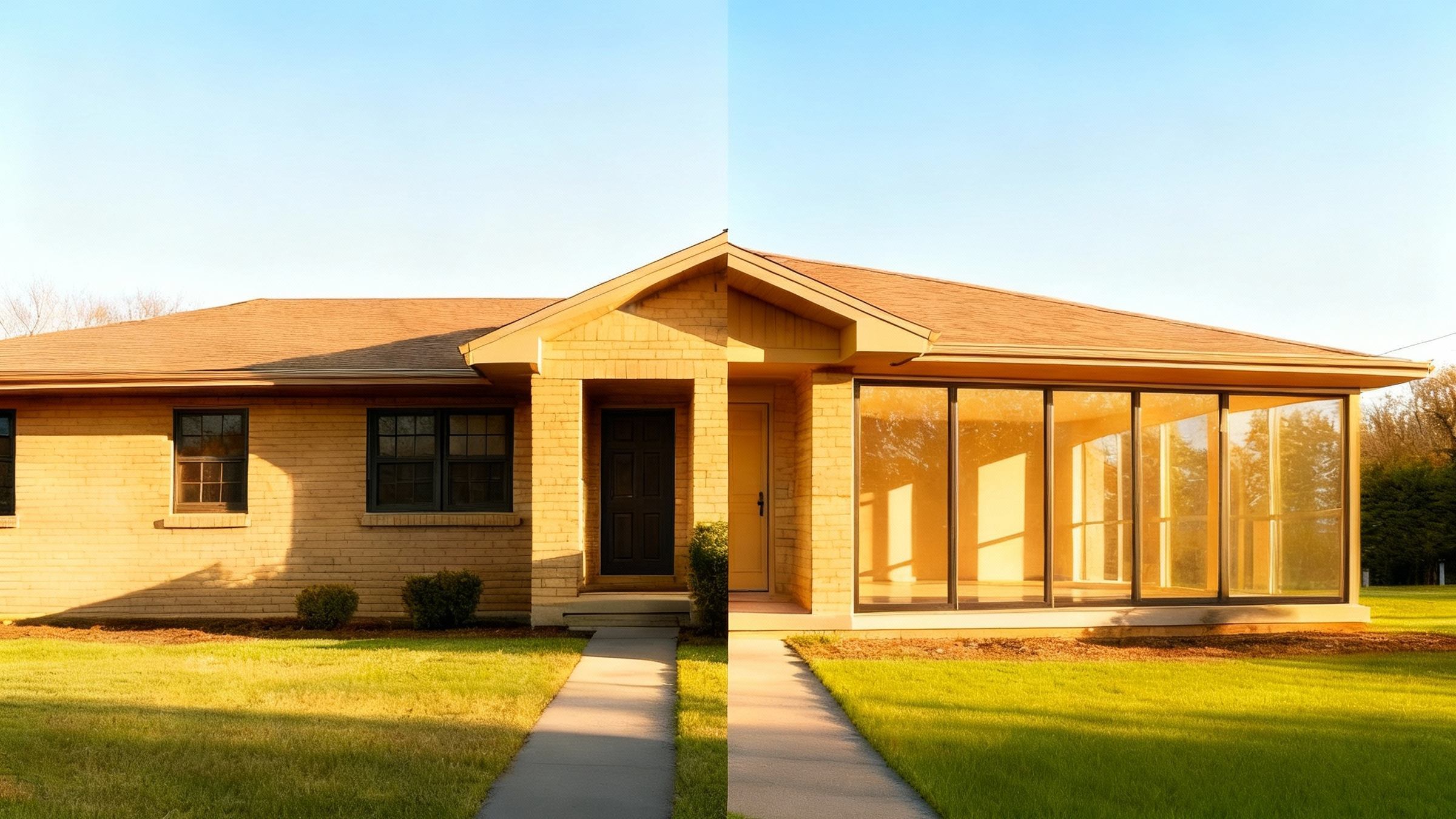
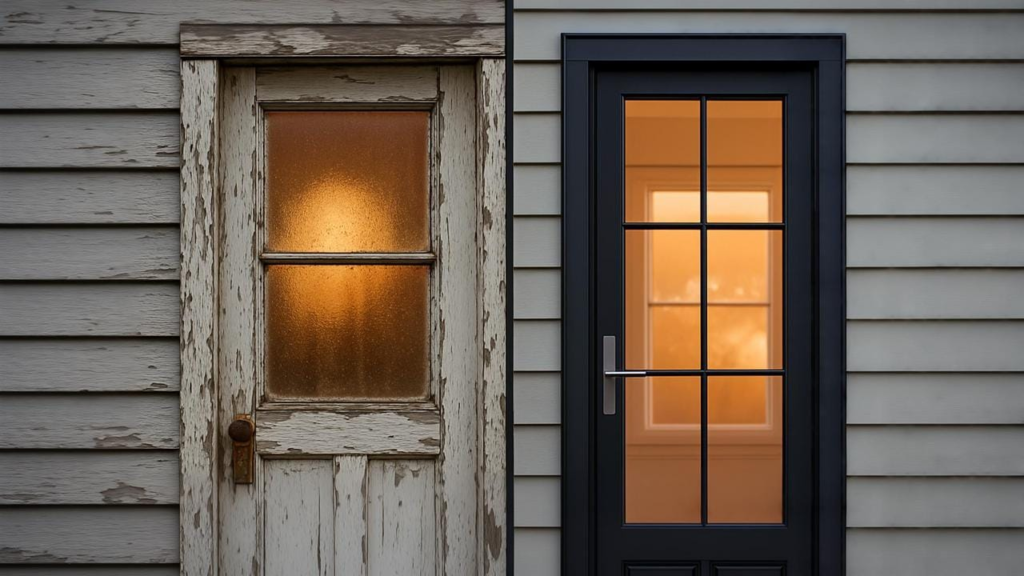
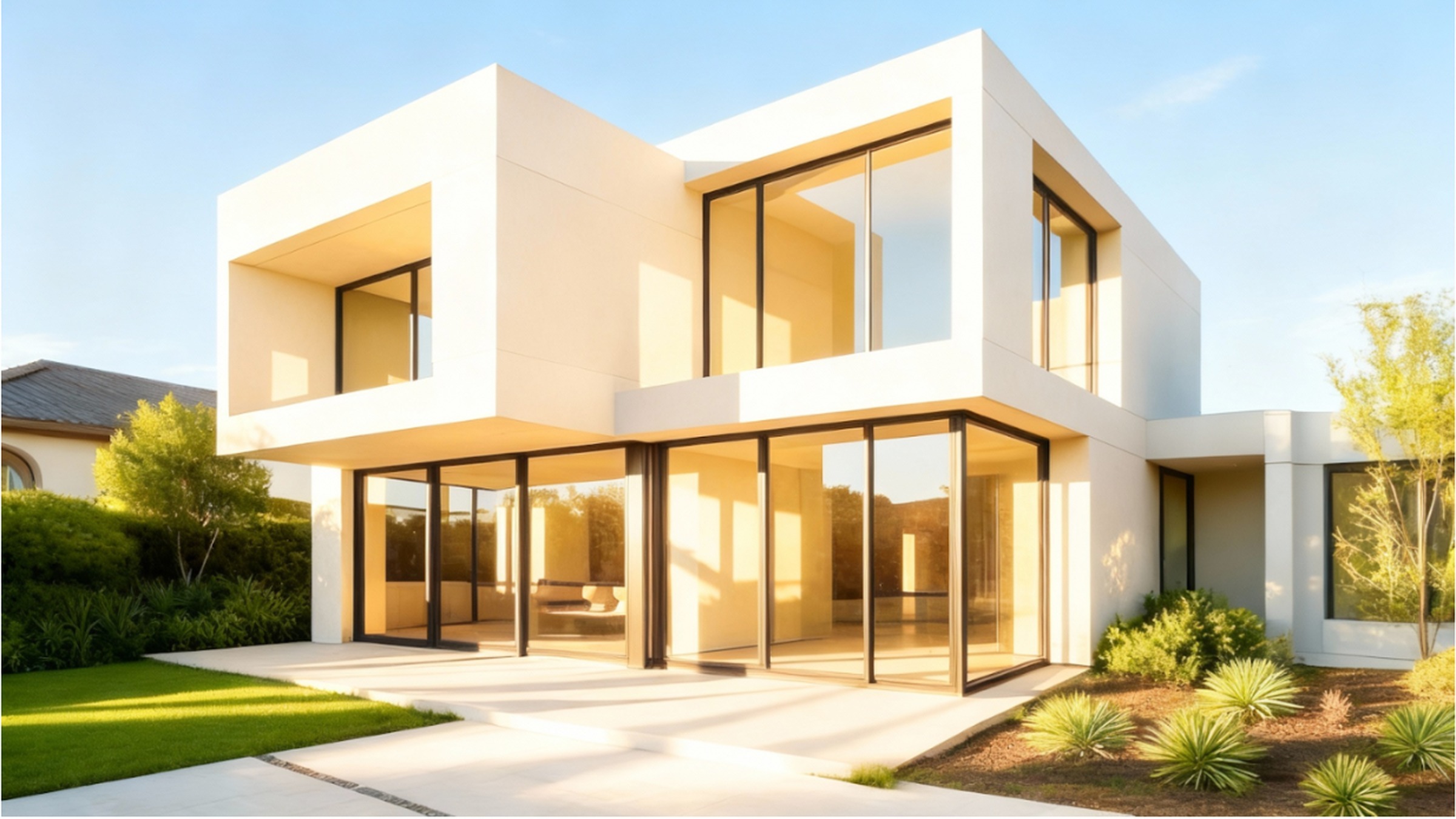
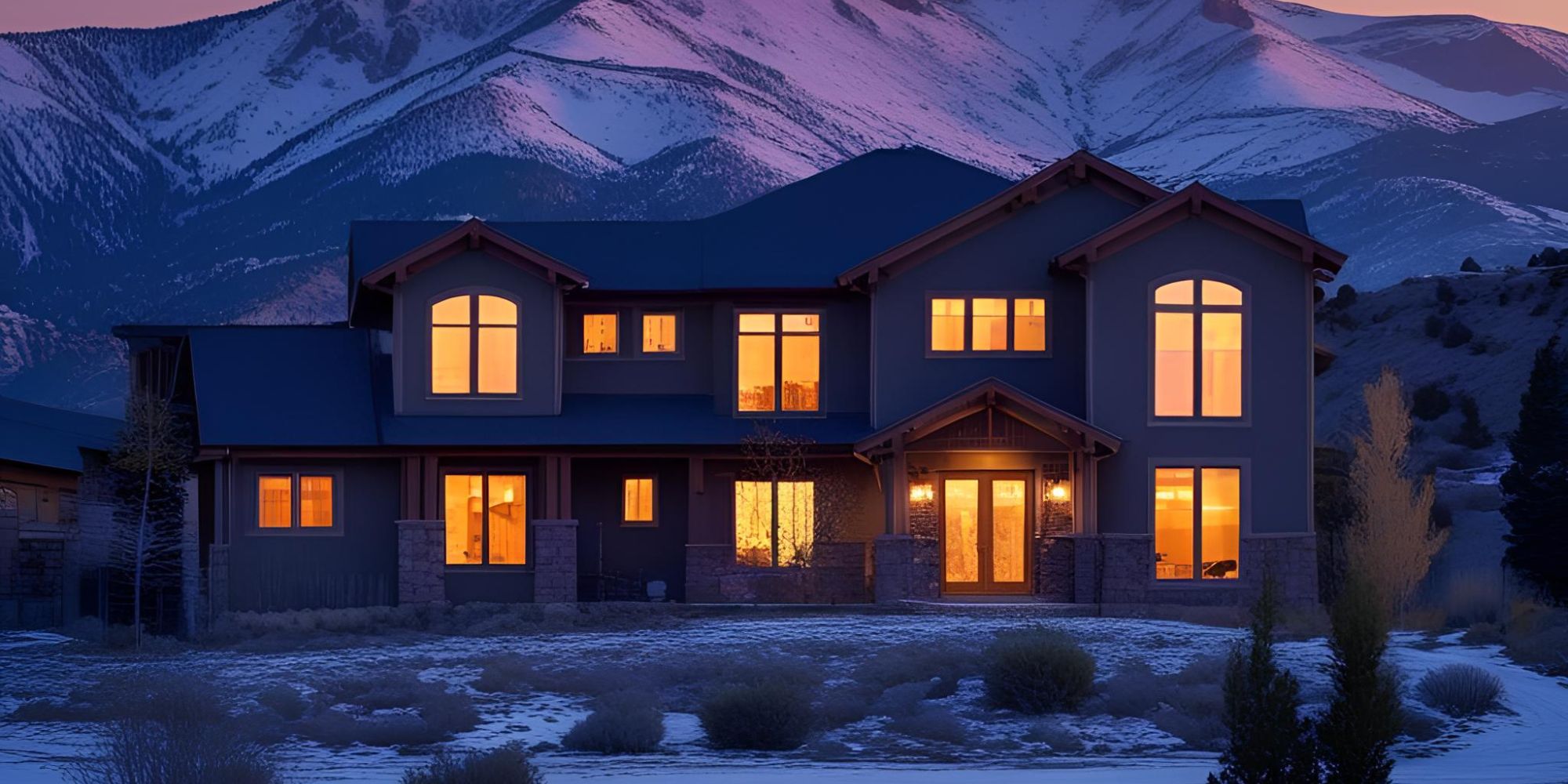
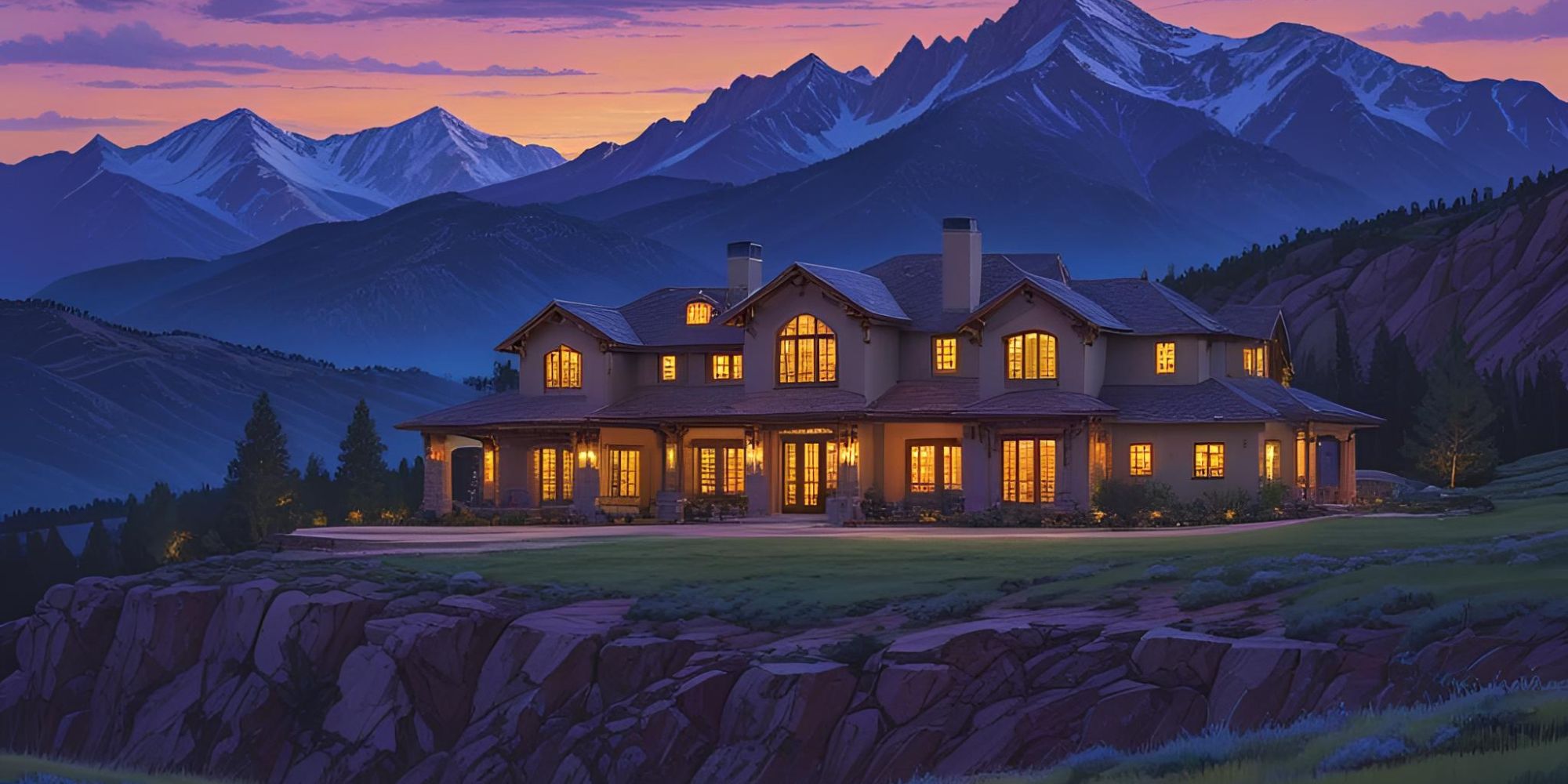
...
Request a consultation

Design Inspiration: Modern & Mountain-Modern Window and Door Styles for Colorado Homes

TL;DR — Design Inspiration: Modern & Mountain-Modern Window and Door Styles for Colorado Homes

This guide shows modern and mountain-modern window and door looks that fit Colorado architecture—especially black frame windows and modern entry door styles—while keeping performance and durability in mind.

Key takeaways:

●     Modern style leans on clean lines, big glass, minimal ornament, and intentional contrast.

●     Mountain-modern blends modern simplicity with natural materials, big views, and durability for alpine weather.

●     Black window frames can look sharp in Colorado, but finish durability matters in high-altitude sun.

●     The “best” style choice is one that matches your home’s rooflines, materials (stone/wood/metal), and view corridors.

●     Entry doors are the fastest way to modernize curb appeal—pivot, flush panel, and glass-forward designs are common modern choices.

●     Great design still needs good performance: weather sealing, glazing choice, and quality installation keep the look comfortable year-round.

What is “mountain-modern” style in Colorado?
What is “mountain-modern” style in Colorado?

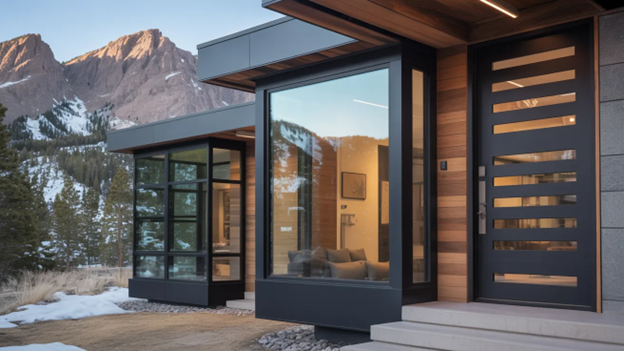
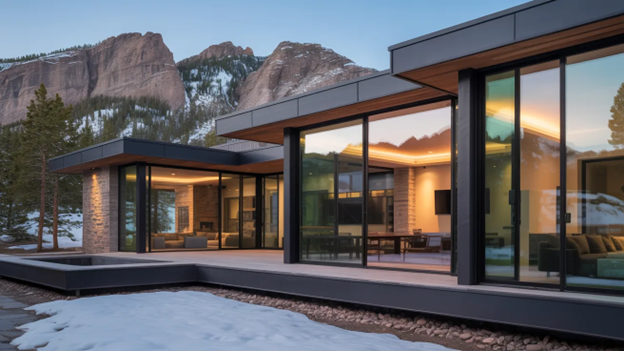
Mountain-modern style in Colorado blends modern design with natural materials and rugged durability for alpine conditions. It’s the look you see when a home feels contemporary, but still grounded in timber, stone, and the surrounding landscape—usually with big window areas aimed at views.

A useful industry description highlights mountain-modern spaces as being recognized by expansive window views, exposed timber framing, natural materials/colors, and textured finishes, plus practical elements like pronounced overhangs that help with high-altitude sun and storms. It also notes that dark finishes (including black) can outline views and that finish choice matters for harsh mountain climates.

What makes windows and doors feel “modern”?
What makes windows and doors feel “modern”?

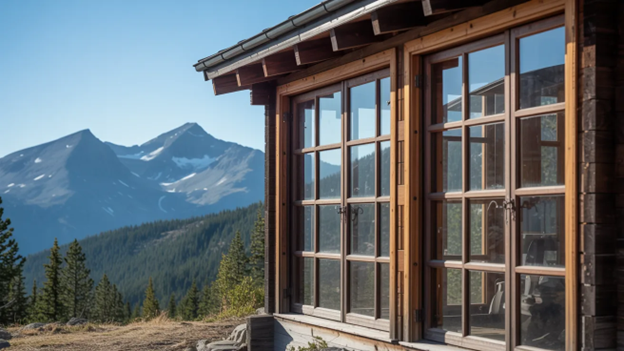
Modern windows and doors feel modern when the openings look clean, intentional, and visually light. In real homes, that usually means fewer fussy grids, slimmer-looking frames, and glass that emphasizes daylight and views.

Architects have talked about windows this way for a long time. A modernist idea (often credited to Frank Lloyd Wright’s influence) is that large expanses of glass function like “light screens,” framing outdoor views and connecting indoor life to nature.

You don’t need to build a glass box to use that idea. You just need to design windows like they’re part of the architecture—not an afterthought.

Window styles for modern homes (that work well in Colorado)
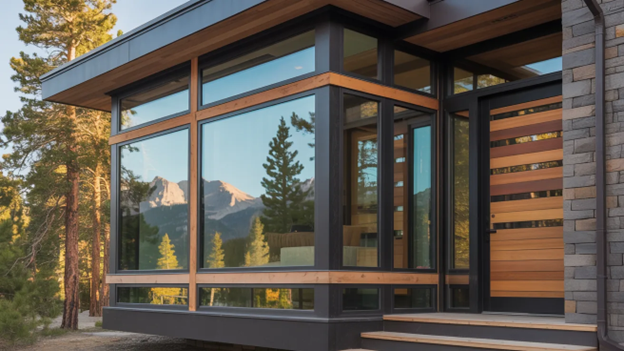
Window styles for modern homes (that work well in Colorado)

Window styles for modern homes emphasize clean geometry, bigger glass, and fewer visual breaks. Here are options that consistently look right on modern Colorado homes:

1) Large picture windows (strategically placed)

Large picture windows create the strongest modern look because they prioritize view and daylight. Use them where you actually want to “frame” something: foothill ridgelines, aspens, city skyline, or a landscaped backyard.

2) Horizontal window groupings

Horizontal window groupings feel modern because they reinforce clean lines across the facade. This works especially well on ranch remodels and contemporary infill homes.

3) Clerestory windows

Clerestory windows feel modern because they add daylight without sacrificing privacy. They also look great in mountain-modern great rooms with high ceilings.

4) Corner windows

Corner windows feel modern because they reduce the “boxy” feeling and open up sightlines. They’re a power move in kitchens and living rooms if you have a view angle worth showing off.

5) Minimal grid (or no grid) layouts

Minimal grid layouts feel modern because the glass reads as one clean surface. If you like some structure, keep it simple: one horizontal bar or a very light pattern.

6) Lift-and-slide or multi-slide patio doors

Lift-and-slide or multi-slide doors feel modern because they open walls and connect indoor/outdoor living. In Colorado, this pairs well with covered patios and wind-protected outdoor spaces.

Window and door moves that define mountain-modern homes
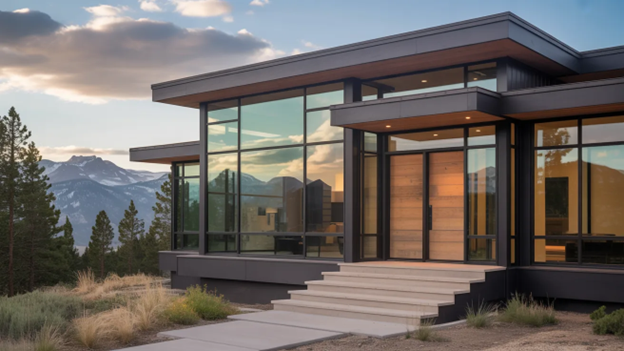
Window and door moves that define mountain-modern homes

Mountain-modern homes use modern shapes, but they “warm them up” with natural textures and view-first planning. If you want that look, focus on these moves:

●     Frame the view on purpose. Put the biggest glass where the best view actually is, not where it’s easiest to build.

●     Use contrast thoughtfully. Dark window outlines against stone or wood can look sharp, especially on simpler elevations.

●     Lean into overhangs. They look right in mountain-modern design and help with sun and weather.

●     Choose finishes for altitude. Colorado sun is intense; durability matters as much as color.

●     Create an entry moment. Mountain-modern homes often use a bold door with simple, confident detailing.

Black frame windows in Colorado: how to get the look right
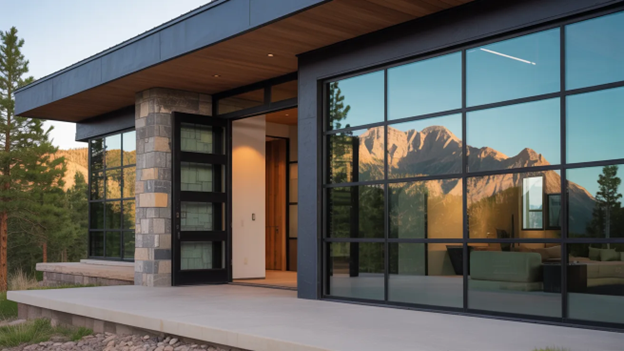
Black frame windows in Colorado: how to get the look right

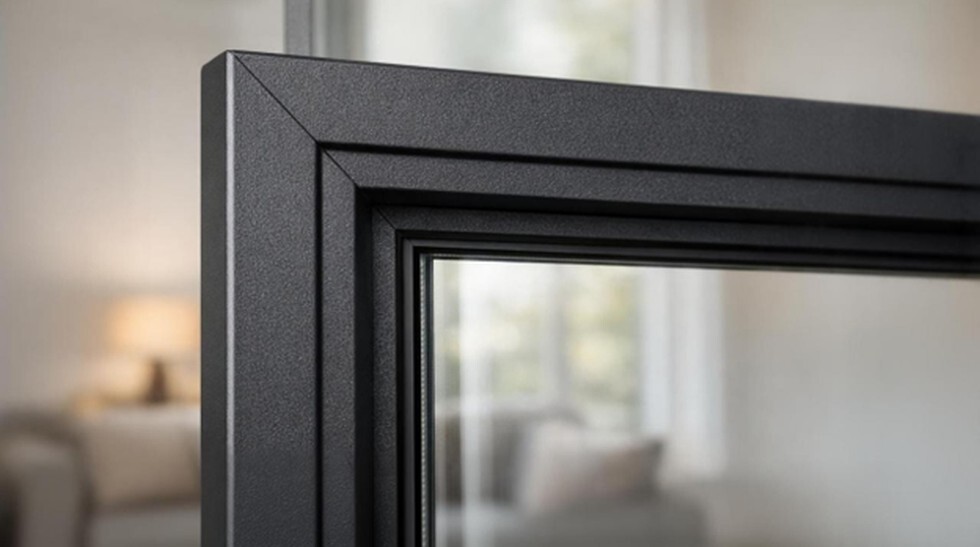
Black frame windows in Colorado work best when the black is used to outline views and tie together exterior materials. If your home has stone, stained wood, or light siding, black frames can provide a clean contrast that feels modern instead of busy.

To keep it from feeling harsh:

●     Pair black frames with warm materials (wood, stone, textured siding).

●     Repeat black in two or three places (railings, exterior lighting, hardware) so it feels intentional.

●     Avoid mixing black frames with too many competing finishes.

And for Colorado specifically, the “smart” part is making sure the finish choice matches exposure: sunny south-facing elevations and high-altitude sites demand durability.

Types of entry doors for modern homes (and what each one says)
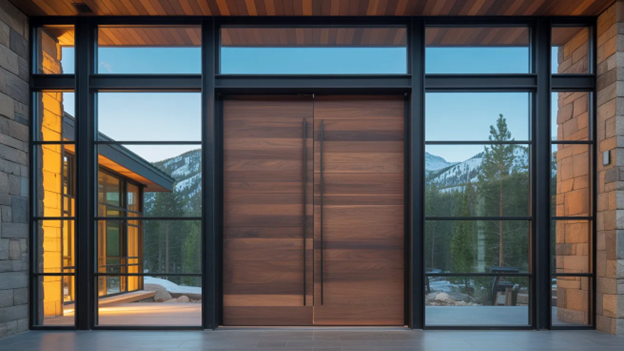
Types of entry doors for modern homes (and what each one says)

Modern entry doors are defined by simple geometry, strong proportions, and intentional hardware. Here are the most common modern door styles homeowners choose:

1) Pivot doors

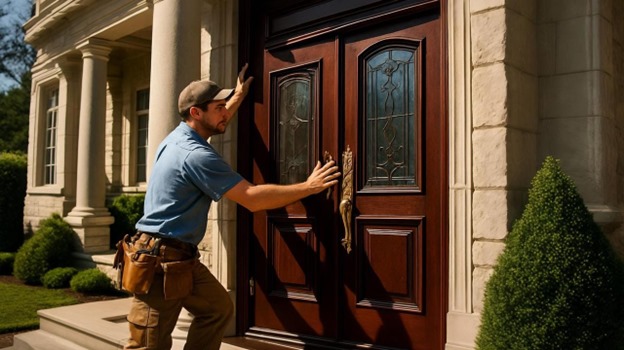
Pivot doors create a high-end modern statement because they feel architectural and oversized. They’re best when the entry is protected (overhang/covered porch) and the proportions of the facade can handle the drama.

2) Flush slab doors

Flush slab doors look modern because they are clean and unornamented. A single material with minimal detailing is often all you need.

3) Modern doors with vertical glass

Modern doors with vertical glass feel modern because they add light without looking traditional. This works well when the entry hall is dark or when you want a welcoming glow at night.

4) Mixed-material doors (wood + metal accents)

Mixed-material doors feel mountain-modern because they blend warmth and durability. This is a strong choice if the home already uses timber and metal details.

Materials that make sense for Colorado (style + performance)
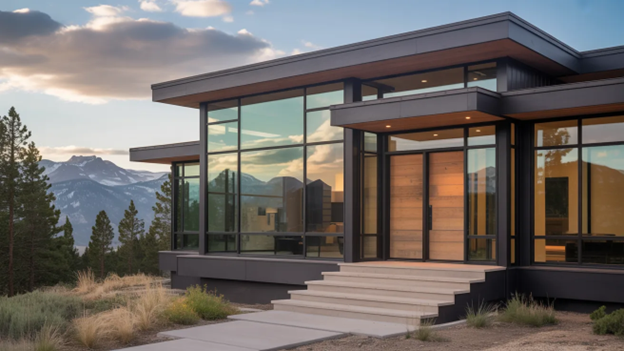
Materials that make sense for Colorado (style + performance)

Colorado-friendly door and window materials balance looks with weather resistance. The “best” material depends on exposure, maintenance tolerance, and the style you want.

●     Wood: warm and premium-looking, but needs maintenance and good protection.

●     Fiberglass: versatile look (including woodgrain styles) with lower maintenance.

●     Steel: strong and sleek, often great for modern entries, but finish quality matters.

●     Aluminum-clad or durable exterior finishes: helpful in high-exposure environments where sun and storms punish weaker coatings.

If you love a black frame look, ask specifically about long-term finish performance and what’s recommended for your elevation and exposure.

Three easy style “recipes” for Colorado homes
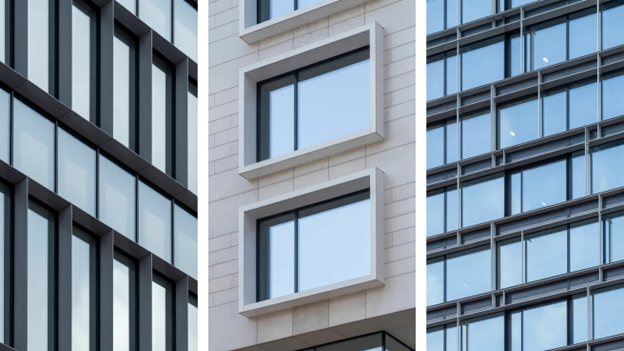
Three easy style “recipes” for Colorado homes

These style recipes help you get a cohesive look without overcomplicating it.

Recipe 1: Denver Modern Refresh

●     Black or dark-bronze window frames

●     Minimal grids or no grids

●     Flush slab entry door with modern hardware

●     One “hero” picture window in the main living area

Recipe 2: Front Range Mountain-Modern

●     Large view windows + clerestories for daylight

●     Dark frames paired with warm wood and stone

●     Covered entry with a statement door (wood or mixed-material)

●     Lift-and-slide door to a protected patio

Recipe 3: High-Country Contemporary

●     Prioritize durability + tight seals

●     Big glass where the view is best, smaller glass where wind exposure is harsh

●     Strong overhangs

●     Bold door color or bold hardware (but keep the rest quiet)

FAQ: Modern vs mountain-modern windows and doors
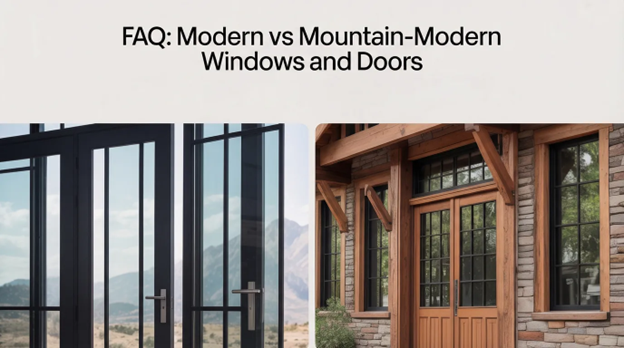
FAQ: Modern vs mountain-modern windows and doors

Do black windows make a home look smaller?

Black windows can make a home look sharper, not smaller, when they are repeated intentionally and paired with warm materials. Random black accents are what create visual clutter.

What’s the easiest way to modernize curb appeal?

The easiest way to modernize curb appeal is a modern entry door and cleaner window grid choices. You can get a big visual upgrade without changing the entire facade.

Can mountain-modern still look warm?

Mountain-modern looks warm when natural textures lead the design—wood, stone, and lighting—while the windows and doors stay clean and simple.

Summary and next step

Modern style uses clean lines and intentional glass; mountain-modern adds natural materials and durability for Colorado conditions. If you’re deciding between looks, start with what your home already is (rooflines, materials, view corridors), then choose window/door shapes that reinforce that architecture.

If you want a cohesive plan (not a bunch of mismatched upgrades), Modern Windows & Doors can help you select window styles, frame colors (including black), and entry door options that fit your home and Colorado’s climate—so the finished result looks right and feels comfortable.

Colorado Window Buying Guide: Vinyl vs Fiberglass, Double vs Triple-Pane & Top Brands

TL;DR — Colorado Window Buying Guide: Vinyl vs Fiberglass, Double vs Triple-Pane & Top Brands

This guide explains how Colorado homeowners can compare window frame materials, glass packages, and major brands to balance comfort, durability, and budget in a high-altitude climate.

Key takeaways:

  • Vinyl windows are usually the most cost-effective and can perform well when you choose strong welds, quality spacers, and a reputable installer.
  • Fiberglass windows are typically the “stability” choice for big temperature swings because the material expands and contracts less than many plastics.
  • Double-pane windows are still the default, but triple-pane can improve comfort and sound control in many Colorado homes.
  • The NFRC label is the easiest apples-to-apples comparison tool for U-Factor and SHGC when you are shopping.
  • Low-E coatings and gas fills matter as much as pane count, especially with Colorado sun and winter nights.
  • “Top brands” should be judged by warranty support, local installer quality, and the right product line, not just the name on the sticker.
  • Federal tax credits can change the math, so confirm current eligibility before you buy.

Colorado homeowners ask the same practical question every year: “What windows make sense here?” Colorado weather is a mix of strong sun, big temperature swings, wind, and winter heating needs, and that combination can punish the wrong window choice. This buying guide breaks down the two decisions that matter most—frame material (vinyl vs fiberglass) and glass package (double vs triple-pane)—and then explains what “top brands” really means when you are getting bids in Colorado.

Colorado window buying starts with climate and comfort goals


Colorado window buying starts with climate and comfort goals

Colorado window buying starts with deciding what you want to improve first—comfort, energy bills, noise control, durability, or appearance—because different window packages prioritize different outcomes.

If winter drafts are the problem, focus on insulation performance and air sealing. If afternoon heat and glare are the problem, focus on solar control. If highway noise or neighborhood noise is the problem, focus on sound-reduction strategies that usually involve glass thickness, laminated layers, and tighter installation details. A clear “top two” list helps you avoid paying for features you do not need.

Vinyl windows are a common choice in Colorado because they are usually the lowest-cost path to a solid upgrade when the product line is well-built and the installation is done correctly.

Vinyl works best when you pay attention to the specific build quality points that affect longevity: reinforced meeting rails, durable welds at corners, quality weatherstripping, and hardware that does not feel loose. In Colorado, ask how the window line handles sun exposure and temperature swings, because cheaper vinyl can warp or feel “soft” over time if the design is underbuilt.

When vinyl is a strong fit

  • You want a meaningful upgrade over older aluminum or drafty wood windows without jumping to premium pricing.
  • Your openings are fairly standard sizes.
  • You are prioritizing payback and overall project budget.

When vinyl is not the best fit

  • You want very narrow frames for maximum glass area.
  • You want a darker exterior color in full sun and need strong heat-management performance from the product line.
  • You are doing a high-end architectural look where frame sightlines matter most.

Fiberglass windows are the stability play for temperature swings and long service life


Fiberglass windows are the stability play for temperature swings and long service life

Fiberglass windows are often chosen in Colorado because the material is dimensionally stable, which can help the unit hold tight seals through hot days and cold nights.

Fiberglass typically costs more than vinyl, but many homeowners justify the upgrade when they want a stiffer frame, longer-term durability, or a premium painted finish. Fiberglass can be a strong choice for large openings, picture windows with narrow profiles, and homes where you want the window to “feel” more rigid when you operate it.

Where fiberglass tends to shine

  • Larger window sizes where stiffness matters.
  • Homes exposed to strong sun and big seasonal swings.
  • Projects where long-term performance is more important than lowest upfront cost.

Composite and wood windows are usually chosen for specific design goals, and the trade-offs are worth stating plainly before you fall in love with the look.

Wood interiors can be beautiful, but wood requires care and is less forgiving if water management is poor. Composites vary widely by manufacturer, so the performance depends heavily on the specific product line and how it is built. If you are comparing these categories, warranty terms and local service support matter as much as brochure claims.

Double-pane windows are still the default for most replacements


Double-pane windows are still the default for most replacements

Double-pane windows are the default replacement choice because they often deliver a large comfort and efficiency jump over older single-pane or leaky double-pane windows at a reasonable price.

For many Colorado homes, a modern double-pane unit with the right Low-E coating and a quality install can feel dramatically better than what it replaced. Double-pane is also where you will usually find the widest range of price points across brands.

Triple-pane windows are often chosen in Colorado when comfort is the priority, when the home is in a colder or windier microclimate, or when sound control matters.

Triple-pane is not automatically “better” for every room, because the value depends on what you are fixing. Bedrooms that feel cold at night, north-facing rooms, and windy exposures are common places where triple-pane can feel worth it. Many homeowners mix packages—triple-pane where it matters, double-pane elsewhere—to control budget while still solving the biggest comfort issues.

The NFRC label is the comparison tool you should trust


The NFRC label is the comparison tool you should trust

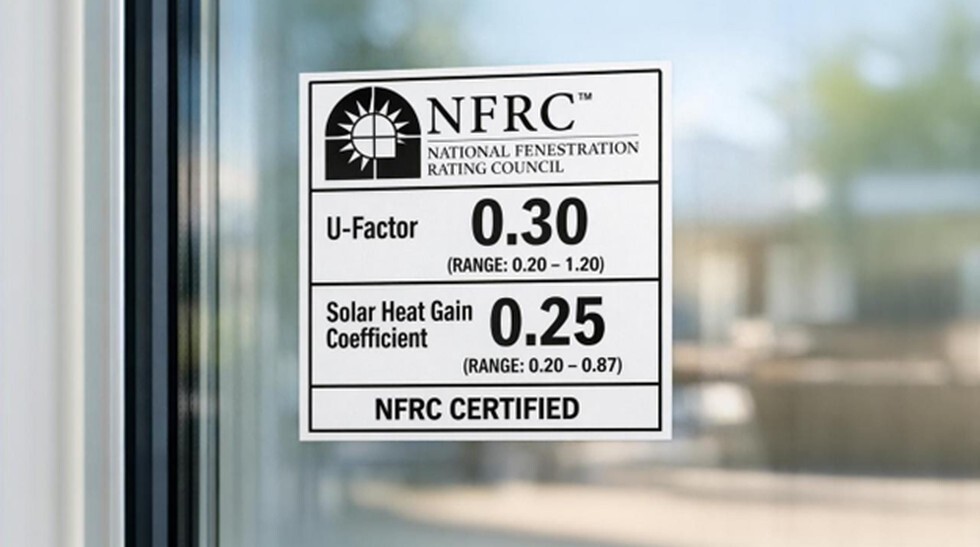
The NFRC label is the simplest way to compare window energy performance across brands because it standardizes key ratings like U-Factor and Solar Heat Gain Coefficient (SHGC).

If you only learn two terms, learn these:

  • U-Factor: how well the window insulates (lower is better).
  • SHGC: how much solar heat the window lets in (lower blocks more sun heat).

In Colorado, you usually want a strategy that fits the elevation, sun exposure, and heating season in your specific location, not a one-size-fits-all “lowest number wins” approach.

Low-E coatings and gas fills are major performance drivers because they influence heat transfer and solar gain even more directly than frame material alone.

Pane count matters, but so does what is between and on the glass. Ask each bidder what glass package is included, what the Low-E coating is designed to do (solar control vs insulation emphasis), and whether the quote is consistent across all windows or varies by exposure.

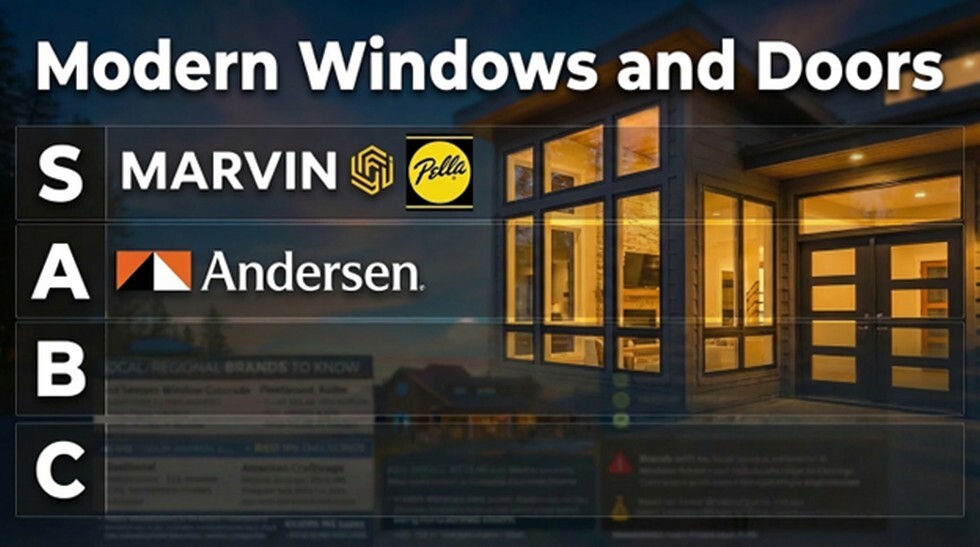
“Top brands” in Colorado should be judged by product line, not just the name


“Top brands” in Colorado should be judged by product line, not just the name

“Top brands” should be evaluated by the specific series being quoted, warranty strength, and installer quality, because most big manufacturers sell multiple tiers that perform very differently.

Instead of asking “Is Brand X good?”, ask these more useful questions:

  • Which product line or series is this bid using?
  • What is the glass package and NFRC rating for that exact configuration?
  • What is covered in the warranty, and who actually services it locally?
  • Who is installing the windows, and how is water management handled at the opening?

In practice, a mid-tier line installed correctly can outperform a premium line installed poorly. That is why comparing bids by “brand name only” usually leads to confusion.

Colorado bid comparisons should start by confirming you are comparing the same scope, because two quotes can look similar until you notice one includes better flashing details, upgraded glass, or a different replacement method.

A clean comparison checklist includes:

  • Replacement method (insert vs full-frame) and what is included in trim and exterior finish work
  • Glass package details (Low-E type, pane count, gas fill)
  • NFRC ratings for the quoted configuration
  • Warranty details (product and labor)
  • Jobsite protection, debris handling, and project timeline assumptions

Tax credits can affect your net cost, so confirm the current rules before you buy


Tax credits can affect your net cost, so confirm the current rules before you buy

Tax credits can materially affect your net cost because the federal Energy Efficient Home Improvement Credit has specific annual limits for windows, skylights, and doors.

As of the IRS guidance, the credit is capped annually and includes a specific limit for exterior windows and skylights ($600) and exterior doors ($250 per door, $500 total) within the broader annual cap for certain improvements.
 (Always confirm eligibility requirements for the exact products you are buying and keep documentation.)

When you are ready to choose windows for your Colorado home, narrow your decision to (1) the right frame category for your budget and durability goals and (2) the right glass package for your exposures and comfort needs, then compare bids using the same scope and performance labels.

If you want a professional opinion on the best mix of vinyl vs fiberglass and double vs triple-pane for your specific elevations, sun exposure, and rooms, schedule a consultation here.

Exploring Custom Features: Specialty Windows & Door Innovations

Why Customization Matters (and where it counts)

Every home is a one-off: wall thicknesses, exposures, street noise, coastal winds, interior layouts, and personal taste all collide at each opening. That’s why custom window features and specialty door hardware can pay real dividends in comfort, performance, and day-to-day usability. Beyond aesthetics, the physics are compelling: in typical U.S. homes, heat gain and heat loss through windows account for about 25%–30% of heating and cooling energy use—so getting the glazing, frame, and hardware right is a practical path to lower operating costs and better comfort.

Custom Window Types That Solve Real Problems

1. Corner and clerestory windows (visual drama, filtered light)

Corner glass maximizes sightlines and daylight without a center mullion. Clerestories lift the glass band higher, washing ceilings with light while preserving privacy—great for showers, stairwells, and kitchens.

2. Tilt-turn and hopper/awning configurations (flexible ventilation)

European-style tilt-turn units operate as both hopper (secure top-vent) and casement (full side-swing) in one frame—useful where you want trickle ventilation most of the year and a wide egress on occasion. Awnings shed rain while venting; hoppers are compact, basement-friendly problem solvers.

3. Pass-through and service windows (indoor–outdoor flow)

A bottom-sill height aligned with countertop height turns the kitchen into an entertaining station. Look for low-profile sills, integrated locking, and damped hinges for safety.

4. Radius, triangles, and specialty shapes (architecture-first)

Odd geometries can reinforce a façade rhythm or echo rooflines. When you go off-square, prioritize thermal breaks in metal frames and ensure custom shape gaskets match your climate.

Glazing Innovations Worth Knowing

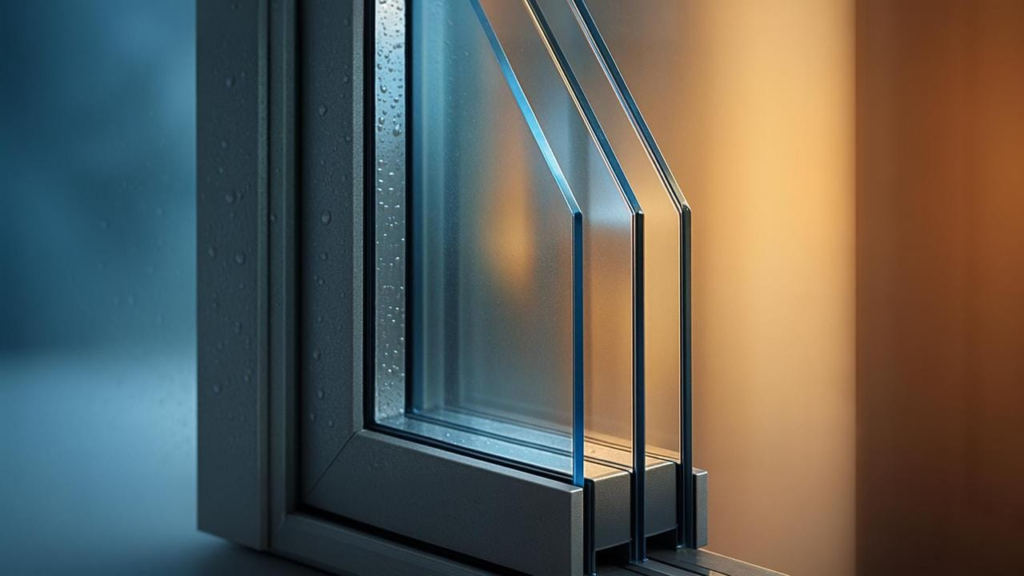
ross-section view of a modern window frame with multiple panes of glass

1. Low-E coatings (baseline efficiency)

Modern low-emissivity coatings reflect infrared heat while transmitting visible light. They’re tuned by climate: cold-climate low-E favors passive solar heat gain; hot-climate low-E cuts solar heat.

2. Acoustic laminates (quiet rooms)

Laminated glass sandwiches a PVB interlayer that damps sound and remains bonded when cracked—ideal near busy roads or flight paths.

3. Security and storm packages (strength + clarity)

Impact-rated laminated units and beefed-up frames bring coastal resilience without hurricane shutters. For urban projects, laminated glass plus multi-point locks deters opportunistic entry.

4. Electrochromic “smart” glass (glare control on demand)

Switchable tints handle late-afternoon glare on west elevations without heavy shades, useful where views are too good to cover.

Frames And Finishes That Shape Performance

Thermally broken aluminum (slim profiles; modern look).
A polyamide or similar break decouples interior from exterior metal for better U-factors, while permitting those ultra-thin sightlines people love.

Fiberglass and composites (stability champs).
Dimensionally stable frames shrug off temperature swings and permit darker colors without warping; good fits for high-sun exposures.

Clad wood (warm interior, armored exterior).
You get real wood grains inside, with factory-finished aluminum outside for durability. Just verify drainage paths and field-adjustable sills.

Custom powder coat and anodize (coastal smarts).
Marine-grade anodize or multi-coat powder systems extend life near salt air. Ask for documented cycle testing and finish warranties.

Specialty Door Hardware That Changes Daily Use

A hand is reaching out to a modern smart lock on a door.

1. Pocketing and multi-slide systems

Large-panel sliders can stack or disappear into pockets to erase boundaries. Look for stainless rollers, sealed tracks, and weep management for storm events.

2. Lift-slide mechanics

A turn of the handle lifts panels onto rollers, reducing friction so even a 10-foot glass panel glides with two fingers. The same action compresses gaskets when “down” for weather tightness.

3. Multi-point locking (security + sealing)

Instead of one latch, the handle engages several lock points top-to-bottom—improving both forced-entry resistance and air/water performance.

4. Concealed hinges & soft-close checks

Flush, modern profiles benefit from hidden hardware. On outswing patio doors, damped closers prevent slams and reduce hinge stress.

5. Thresholds and accessibility

Low-profile, thermally broken thresholds reduce trip hazards and drafts. For universal design, confirm wheelchair clearance and water management under driving rain.

Integrated Screens And Shades

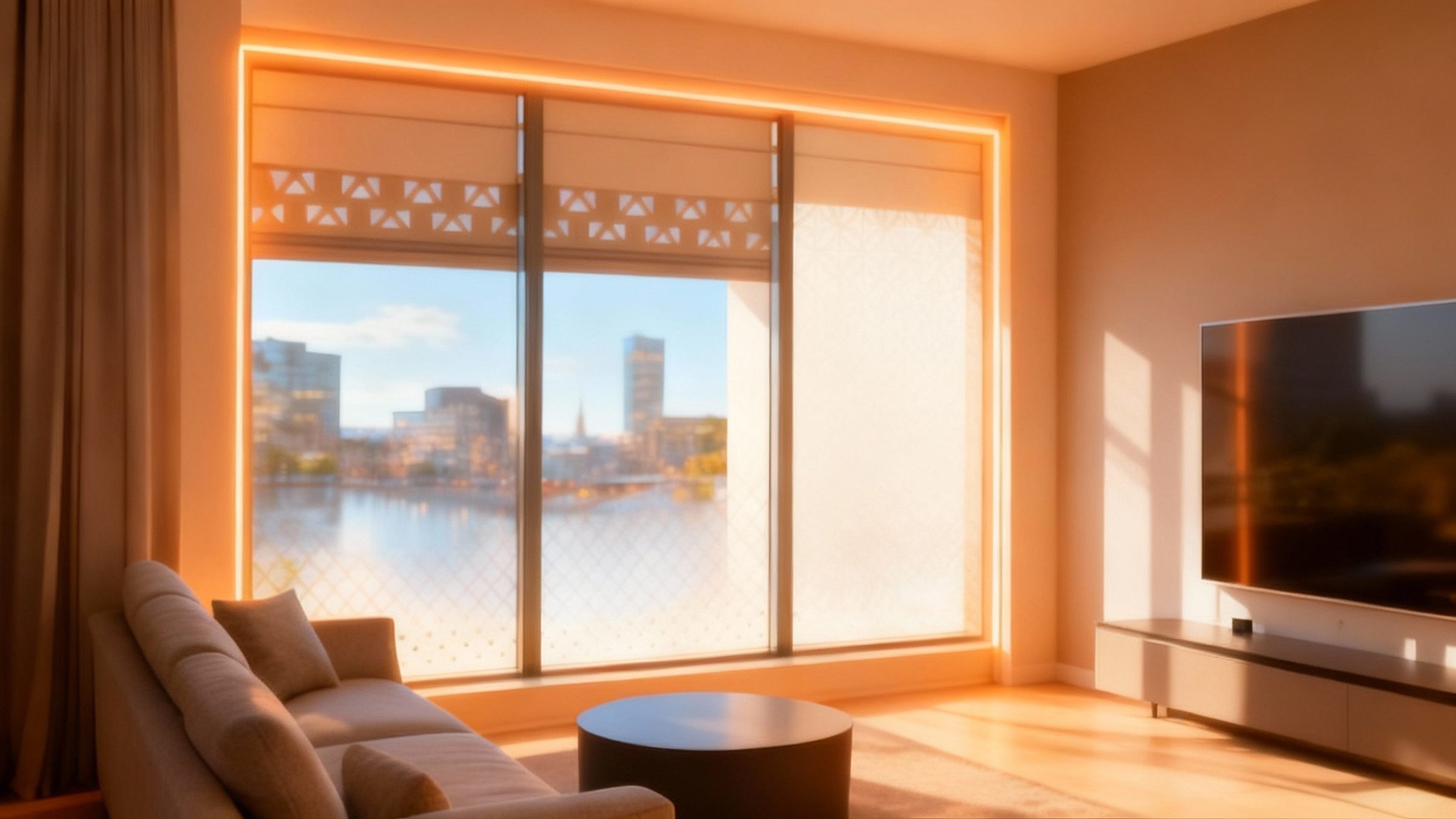
Retractable screens vanish when you don’t need them—a boon for view-centric designs. Between-the-glass shades (sealed inside IGUs) resist dust, pets, and kid fingerprints, and can be motorized.

Smart Controls And Sensors

close-up shot of a person's finger touching a smart home control panel

Motorized operators on high clerestories, CO₂-triggered vents for stuffy rooms, and reed-switch sensors that talk to your security system all fit neatly into custom fenestration packages. If you’re layering in whole-home control, verify low-voltage cabling paths early.

How To Spec: A Quick Decision Tree

  • Start with climate. Hot-humid, hot-dry, marine, mixed, or cold demands different SHGC/U-factor targets.
  • Set performance targets. Daylight goals; sound reduction (dB); coastal or impact rating; egress; privacy.
  • Choose the operation you’ll actually use. Casements catch breeze; sliders save swing clearance; tilt-turns multitask.
  • Pick a frame family that suits exposure and finish goals. Fiberglass/composites for stability; thermally broken aluminum for minimal sightlines; clad wood for tactile warmth.
  • Lock in hardware and screens. Multi-point locking, retractable screens, and threshold details should be part of the first quote.
  • Confirm ratings. Ask for NFRC labels showing U-factor, SHGC, visible transmittance, and air leakage; compare apples to apples.

Custom doesn’t have to mean chaotic. Build in lead time for shop drawings; mock up a typical opening; and phase installations so you always have at least one egress door and adequate security each night. Pricing will vary by material and complexity; get line-item quotes that separate glass package, frame/finish, hardware, and installation so you can value-engineer intelligently without undercutting performance.

Final Thoughts

Custom window features and specialty door hardware are where architecture meets everyday life: easier ventilation, safer thresholds, quieter bedrooms, and effortless indoor–outdoor circulation. Start with climate-appropriate glazing, pick the operations you’ll actually use, and make hardware choices early so the wall, wiring, and drainage details are right from day one.

If you’re exploring tailor-made innovations for a single opening or a whole home, Modern Windows & Doors can help you translate goals into a spec and an install plan—get started today.

Before & After: Window and Door Replacement Projects

Project 1 — A 1970s Ranch Trades Heavy Frames For Daylight

Before. Narrow, bronze-anodized aluminum sliders and single-pane picture windows made the living room cave-like. Afternoon solar gain pushed interior temps uncomfortably high; condensation formed in winter.

After. Thermally broken aluminum frames with a narrow sightline profile keep the modern look while cutting conduction. A center lift-slide door converted the fixed wall into an everyday opening; adjacent casements catch breezes.

What changed.

  • Daylight levels jumped (we measured +35–45% lux at mid-room compared with the old sliders).
  • Shoulder-season ventilation now cools the house without AC.
  • With multi-point locking, the main slider seals tighter; the dusty draft near the couch disappeared.

Lessons learned.

  • Specify the exact track system (stainless rollers, debris-resistant weeps) when pets and kids carry grit inside.

On west elevations, tune the SHGC to manage late-day heat; it’s the difference between showpiece and sauna.

Project 2 — A Coastal Cottage Gets Impact-rated

House in a Storm

Before. Builder-grade double-hungs rattled in storms; plywood panels went up every hurricane watch. Street noise from the bay road made the small bedrooms restless.

After. Impact-rated laminated glass with reinforced frames, plus awning units high on the wall for secure ventilation. Bedroom windows switched to casements with crank limiters for safety and tighter seals.

What changed.

  • Storm prep is now “spin the handles, check the locks.”
  • Nighttime noise readings dropped ~6–8 dB at the pillow thanks to laminated lites and continuous weatherstripping.
  • Insurance paperwork loves the new labels and rating sheets; premiums reflected the upgrade.

Lessons learned.

  • Align hinge handing with furniture—we flipped two units to avoid hitting a headboard.

Order coastal finish packages (anodize or multi-coat powder) up front; retro-coating later is costly.

Project 3 — An Urban Loft Adds A Steel-look Wall Of Glass

Industrial Loft with Large Window

Before. The loft had brick charisma but one small window and a dark kitchen corner. The client wanted an industrial, steel-grid vibe without winter drafts.

After. A thermally broken aluminum storefront-style system with simulated narrow muntins creates a glass wall along the courtyard. A pass-through window at counter height ties the kitchen to the terrace; a pocketing multi-slide door disappears on party nights.

What changed.

  • Working in the kitchen is now daylight-rich and glare-controlled with a low-E coating tuned for a bright urban courtyard.
  • With between-the-glass shades, cleanup after cooking is basically wipe-the-counter, not dust-the-blinds.
  • Smart-home sensors confirm the door is locked; motorized clerestory awnings auto-vent when CO₂ spikes.

Lessons learned.

  • In masonry retrofits, leave time to modify rough openings and flash to modern standards.

Mock up the threshold and flooring transitions early—small ramps or recessed pans make or break the feel underfoot.

How We Measured “after” (and what you can do at home)

  • Light: A $30 illuminance meter gives repeatable lumen readings at the same time of day.
  • Drafts: Incense or a handheld smoke pencil tells you if the new weatherstripping is doing its job.
  • Sound: Free apps can capture before/after dB(A) at a fixed distance from the window.
  • Comfort: Keep a log—surface temperature of the interior glass on a cold morning can drop drafts and radiant chill dramatically.

The Roi Context (so expectations are realistic)

Window and door upgrades pay back in several ways: energy savings, durability, curb appeal, and happier daily use. But resale math is nuanced. According to the 2025 Cost vs. Value analysis published by Zonda and summarized by the Journal of Light Construction, vinyl window replacement recoups about 76% of its cost nationally. Think of the rest as “dividends” in comfort, quiet, and lower utilities you enjoy while living there.

Planning Your Own Before-and-after

  • Define the problem per room. Glare? Overheating? Street noise? Stubborn doors?
  • Pick operations you’ll actually use. Sliders for big openings, casements where sealing matters, tilt-turns for flexible venting.
  • Tune the glass to the facade. Lower SHGC west/south; more visible light north; consider acoustic laminates on noisy sides.
  • Don’t bury hardware decisions. Multi-point locks, soft-close checks, retractable screens, and threshold details should be on the first quote.
  • Ask for the paperwork. NFRC ratings, impact/wind certificates (if applicable), and finish warranty documents streamline permitting and insurance.

Final Thoughts

The best “after” photos tell a story you can feel: easier ventilation on spring days, calmer bedrooms, door panels that glide instead of fight. Plan from the problem backward, specify with climate in mind, and you’ll get results that look great and live even better.

If you’re mapping out a before-and-after window or door project, Modern Windows & Doors can help scope options, budget, and installation sequencing—start the conversation today.

Design Inspiration: Custom Windows & Doors for Modern Homes

The modern look, simplified

Modern homes celebrate clean lines, balanced proportions, and light-filled spaces. Custom windows and doors let you dial in those elements (slim sightlines, taller proportions, and coordinated finishes) so the envelope and design feel cohesive inside and out.

Bigger glass, slimmer frames

  • Floor-to-ceiling windows: Use fixed picture units where views matter and pair with operable casements or awnings for controlled ventilation.
  • Minimal profiles: Fiberglass, thermally-broken aluminum, or wood-clad systems offer slender frames that maximize glass without sacrificing performance.
  • Grids (or no grids): In modern settings, go grid-free or choose narrow, asymmetrical muntins for a curated, architectural vibe.

Door statements that work

  • Wide sliders & multi-sliders: Create a seamless indoor-outdoor connection with panels that stack or pocket.
  • Hinged French with a twist: Full-lite pairs with slim stiles feel contemporary while preserving symmetry.
  • Pivot entries: A bold pivot door with a hand-finished pull turns the foyer into a gallery moment (ensure proper overhang and weather detailing).

Glass you can live with

  • Low-e coatings: Choose spectrally selective low-e to admit daylight while managing heat.
  • Privacy, without the cave: Use satin-etched, ribbed, or reeded glass in baths and street-facing areas to maintain light while softening views.
  • Acoustics: Laminated glass dramatically cuts traffic hum and yard noise—especially helpful along busy streets.

UVA rays can penetrate ordinary window glass, but UV-blocking window films and laminated glass can block 99% of UVA and UVB while still letting in daylight—useful wherever you sit near large windows or drive long distances.

Light control made beautiful

Light control made beautiful

  • Exterior shading: Fixed overhangs, brise-soleil, or modern awnings cut summer glare on big south and west elevations.
  • Interior layers: Pair translucent roller shades with blackout drapery in bedrooms; consider motorization for hard-to-reach clerestories.
  • Orientation matters: Favor north and shaded south glazing for soft, even daylight; limit expansive east/west glass or add shading to tame low-angle sun.

Finishes & hardware that tie it together

  • Finish palette: Matte black remains a staple; warm metallics (silicon bronze, aged brass) add richness without reading traditional.
  • Hardware: Streamlined levers, multipoint locks, and minimal pulls align with flat panel cabinetry and linear lighting.
  • Color blocking: Consider dark exterior frames for crisp elevation lines and softer interior tones (warm gray, natural wood) to blend with floors and millwork.

Practical notes for long-term performance

  • Coordinate door thresholds with finished floor heights to avoid trip edges.
  • Detail sills with pan flashing and end dams; insist on backer rod + sealant joints that can expand/contract.
  • Confirm local egress, tempered-glass, and safety glazing requirements at baths and near doors.

Ready to bring it to life?

If you want help translating these ideas into an actual opening schedule, sizes, and glass packages tailored to your climate and sun exposure, start a quick project brief with us today. A knowledgeable specialist can recommend options that fit your style, performance goals, and budget.

Essential Maintenance & Efficiency Upgrades for Home Windows & Doors

Why maintenance matters

Windows and doors do a lot more than frame the view. They seal out weather, reduce noise, and help keep heating and cooling costs in check. Small issues like cracked caulk, or worn weatherstripping, let conditioned air escape and outdoor air creep in, making your HVAC work harder than it should.

According to the U.S. Department of Energyheat gain and heat loss through windows account for about 25%–30% of residential heating and cooling energy use—so tightening up these openings pays off quickly.

Quick wins you can do this weekend

caulking window crack

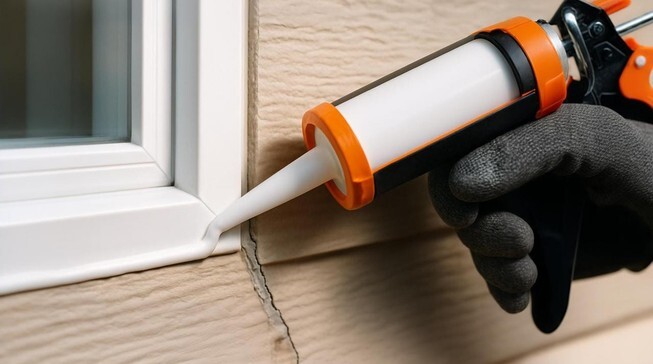
  • Re-seal perimeter caulk. Inspect exterior window and door perimeters for cracked or missing caulk. Remove failed beads, clean the joint, and apply a high-quality exterior sealant compatible with your siding and frame material.
  • Refresh weatherstripping. If you feel a draft around sashes or at door jambs, replace worn foam, V-strip, or bulb seals. Make sure the door latch compresses the seal evenly all around.
  • Adjust thresholds & sweeps. On entry doors, lower the threshold or replace the door sweep so a sheet of paper drags (but doesn’t jam) when closed.
  • Lubricate moving parts. Clean and lubricate hinges, rollers, and multipoint locks with a silicone-safe product to reduce wear and improve closing pressure.

Efficiency upgrades with outsized impact

  • Add low-e storm windows (for older single-pane windows). Modern low-emissivity storm units can significantly cut heat loss and drafts at a fraction of full replacement cost, and many are DIY-friendly.
  • Apply selective window films (hot-sun exposures). Spectrally selective films can trim solar heat gain and glare while preserving daylight and views—useful on west- and south-facing glass.
  • Tune shading. Deep overhangs, awnings, or exterior shades help block high summer sun while admitting low winter sun. Interior cellular shades with side tracks can further reduce conductive heat loss at night.

Seasonal checklist

seasonal maintenance checklist windows doors

Spring/Summer

  • Wash tracks and weep holes so rainwater drains freely.
  • Check screens for tears and proper fit (bugs love gaps).
  • Consider reflective films or exterior shading for late-day rooms that overheat.

Fall/Winter

  • Inspect interior glazing beads and sash stops for gaps.
  • Close and lock windows to fully engage compression seals.
  • Use insulating cellular shades or layered draperies at night to cut conductive losses.

When repair isn’t enough

caulking old vs new window

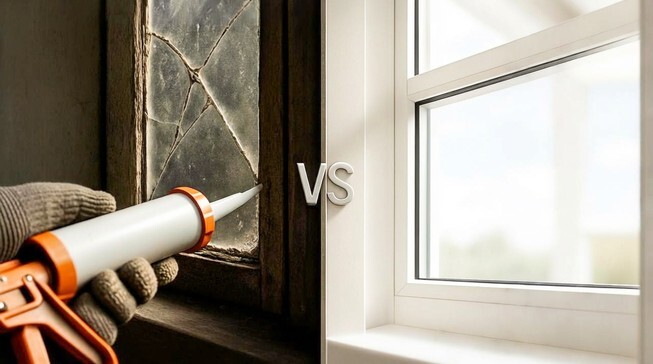
If your home still has single-pane windows, failing seals, or warped frames, replacement can improve comfort, reduce noise, and stabilize indoor humidity. Look for products that carry NFRC performance labels and select values appropriate for your climate: a low U-factor for insulation and an SHGC suited to your sun exposure.

Bottom line

Start with simple sealing and weatherstripping, add targeted upgrades like low-e storms or window films on problem exposures, and plan for replacement when components are at end of life. Your home will feel more comfortable—and your HVAC will too.

Thinking about professional help? If you’re ready to evaluate repair vs. replacement, our team can assess your openings, explain options in plain English, and provide an estimate—no hard sell, just straight guidance for your home.

Top Installation Tips & Tricks for Your New Windows & Doors

Whether you’re hiring a pro (recommended) or just preparing your home, these tips help ensure a smooth, clean, compliant install, and great long-term performance.

Before Installation Day

1) Confirm the Scope and Measurements

  • Review your signed proposal: window/door types, sizes, glass, colors, hardware, and grids.
  • Verify door handing and egress/lite requirements for bedrooms and baths.
  • Re-measure rough openings, noting any out-of-square conditions.

2) Choose the Right Installation Method

  • Insert/retrofit uses the existing frame—faster and less intrusive if the frame is sound.
  • Full-frame replacement removes the old frame—best for damaged frames, air/water issues, or when changing styles/sizes.

Align the choice with performance goals and budget; ask your installer to explain why. Why hire a pro? Professional installation ensures proper flashing, sealing, and weatherproofing. According to the U.S. Environmental Protection Agency, upgrading from old single-pane windows to certified replacements can cut household energy bills by up to 13%. The 2024 Cost vs. Value report also notes that vinyl window replacements recoup about 67% of their cost at resale.

3) Plan for Water Management

Plan for Water Management

Moisture is the enemy. Ensure your installer includes:

  • Sloped or pan-flashed sills.
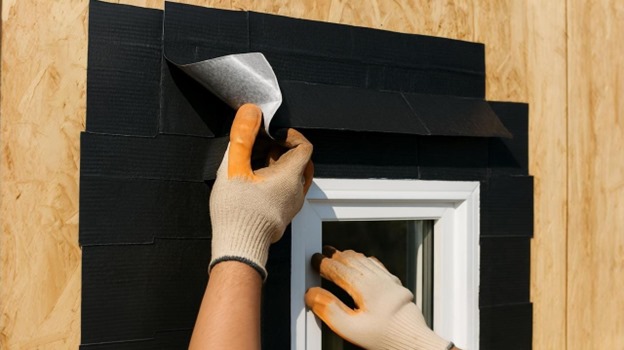
  • Self-adhesive flashing applied shingle-style around the perimeter.
  • Backer rod and low-expansion foam for insulation.
  • High-quality exterior sealant compatible with cladding.

4) Prep the Home

  • Clear 3–4 feet around each opening; remove blinds, curtains, art, and small furniture.
  • Create a clear path from entry to work areas; protect floors.
  • Secure pets and prepare for noise and dust.
  • If painting or stucco is planned, coordinate the order and drying times with your installer.

During Installation

During Installation

5) Verify Plumb, Level, and Square—Don’t Rush This Step

  • Dry fit, then set with shims at structural points.
  • Fasten per manufacturer specs (over-driving can warp frames).
  • Check reveal gaps and sightlines before sealing.

6) Insulate Correctly

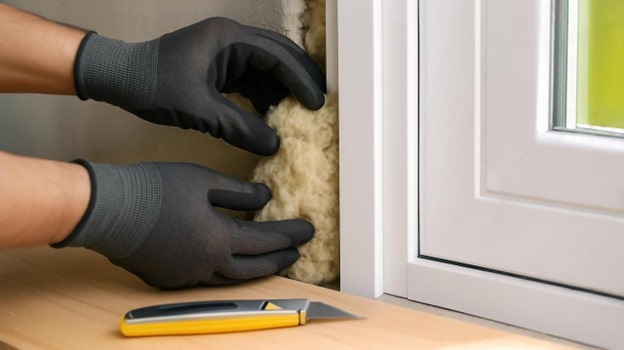
  • Use low-expansion foam or mineral wool; avoid over-filling.
  • Maintain weep paths and drainage channels.

7) Seal the Exterior Like a Weather Jacket

  • Apply sealant to clean, dry surfaces.
  • Tool smooth, continuous beads.
  • Follow temperature and cure-time guidelines.

8) Protect Finishes

  • Mask cladding and trim if caulking or painting nearby.
  • Use drop cloths; vacuum as you go to prevent scratches.

After Installation

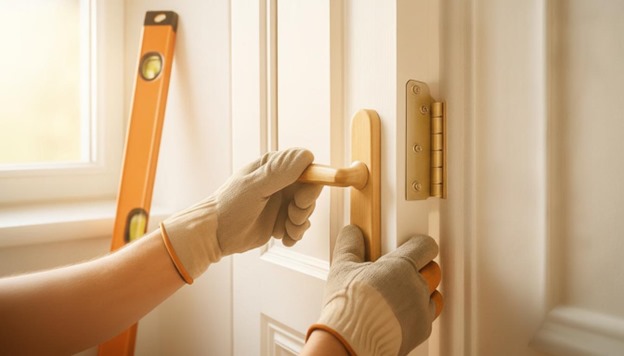
9) Function Check & Adjustments

  • Operate every sash and door panel; test locks and hinges.
  • Confirm smooth operation and full engagement of multi-point locks.
  • Lubricate hardware per manufacturer guidance.

10) Final Punch List & Documentation

  • Review drywall, trim, or stucco patches.
  • Confirm glass type stickers (low-E, tempered where required).
  • Photograph each opening for records.
  • Collect care instructions, warranty documents, and proof of permit/inspection.

11) Care & Maintenance Basics

  • Clean tracks and hardware seasonally; keep weep holes clear.
  • Use non-abrasive cleaners on glass and finishes.
  • Re-caulk joints as needed over time.

Common Pitfalls to Avoid

  • Skipping sill pans or mis-sequenced flashing.
  • Over-foaming frames, causing bowing.
  • Blocking weep holes with sealant or debris.
  • Incorrect door handing or swing direction.
  • Forgetting tempered/laminated glass in required zones (see International Code Council for current building code standards).

How Modern Windows & Doors Delivers a Great Install

How Modern Windows & Doors Delivers a Great Install

  • Certified crews trained on manufacturer specifications.
  • Clean worksites with home protection and daily tidy-ups.
  • Clear communication: arrival windows, progress updates, and next steps.
  • Post-install walkthrough so you understand operation and maintenance.

Ready for a Neat, Compliant Install?

Request your in-home estimate and we’ll map out your project step by step. Disclaimer: Building codes and manufacturer instructions vary. Always follow the product’s current installation manual and local regulations. For best results, hire a licensed professional installer.

How Can Design Inspiration Transform Your Home’s Windows and Doors?

Choosing the right windows and doors can dramatically elevate the look and feel of your home. But where do you find the best design inspiration to guide your choices?

This comprehensive guide explores how thoughtful design inspiration helps homeowners select windows and doors that enhance style, function, and value. Whether you’re building new or renovating, understanding design principles and current trends will help you make informed decisions that transform your living space.

Table of Contents

  1. What Is Design Inspiration and Why Does It Matter?
  2. Where Can I Find Design Inspiration for Windows and Doors?
  3. How Do Windows and Doors Influence Home Design?
  4. What Are Popular Design Trends for Windows and Doors?
  5. How Can I Customize Windows and Doors to Reflect My Style?
  6. Design Inspiration by Home Style
  7. Energy Efficiency Meets Design
  8. Color and Finish Considerations
  9. Hardware and Decorative Elements
  10. Professional Installation and Design Support

What Is Design Inspiration and Why Does It Matter?

Design inspiration refers to the creative ideas and influences that help shape your choices when selecting architectural features like windows and doors. It encompasses everything from color palettes and material choices to proportions and architectural details that create cohesive, beautiful spaces.

Design inspiration matters because these choices define your home’s character, impact curb appeal, and influence natural light and energy efficiency. The right windows and doors can increase your home’s value by 7-15% while dramatically improving your daily living experience through better light, views, and functionality.

Consider this example: A 1960s ranch home with small, dated windows can be transformed into a modern showcase by installing large, contemporary windows with clean lines and minimal frames. This single change can make rooms feel twice as spacious while flooding them with natural light.

Where Can I Find Design Inspiration for Windows and Doors?

You can gather design inspiration from numerous sources, each offering unique perspectives and ideas:

Digital Resources:

  • Home design magazines and websites like Architectural Digest and Better Homes & Gardens
  • Social media platforms like Pinterest and Instagram, where you can create mood boards
  • Architecture and interior design blogs that showcase real projects
  • Online galleries from window and door manufacturers

Physical Spaces:

  • Local showrooms and model homes where you can see products in person
  • Home tours and open houses in your neighborhood
  • Design centers at home improvement stores
  • Historical architecture in your area for traditional inspiration

Professional Guidance:

  • Consultations with window and door experts who understand your local climate and building codes
  • Interior designers who can help coordinate your choices with overall home design
  • Architects who can suggest structural modifications to accommodate your vision

For comprehensive ideas on transforming your home’s exterior and interior through strategic window and door choices, Window World’s design guide offers excellent insights into current trends and timeless design principles.

Exploring these resources helps you identify styles, finishes, and features that resonate with your personal taste while ensuring your choices complement your home’s architecture.

How Do Windows and Doors Influence Home Design?

Windows and doors aren’t just functional elements—they’re fundamental design components that shape how your home looks, feels, and functions. Understanding their impact helps you make choices that enhance your entire living experience.

Light and Space: Windows control natural light flow, affecting room ambiance and perceived size. A strategically placed picture window can make a small living room feel expansive, while clerestory windows add light without sacrificing privacy in bedrooms.

Architectural Style: The proportions, shapes, and details of your windows and doors communicate your home’s design language. Gothic arched doors speak to traditional elegance, while floor-to-ceiling sliding doors express modern minimalism.

Indoor-Outdoor Connection: Large sliding doors or French doors create seamless transitions between indoor and outdoor spaces, effectively expanding your living area. This connection is particularly valuable in homes with patios, decks, or gardens.

Curb Appeal and Value: Your front door serves as your home’s focal point, while window placement and style create visual balance across the facade. Studies show that attractive windows and doors can increase property value by 10-15%.

Energy Performance: Modern windows and doors significantly impact heating and cooling costs. Energy-efficient options with proper installation can reduce utility bills by 20-30% while maintaining comfort year-round.

Design inspiration guides you to select options that complement your home’s style, whether traditional, modern, or transitional, ensuring all elements work harmoniously together.

What Are Popular Design Trends for Windows and Doors?

Current design trends reflect a blend of functionality, sustainability, and aesthetic appeal. Understanding these trends helps you make choices that feel current while maintaining long-term appeal.

Trend Category Specific Examples Why It’s Popular
Frame Colors Black, charcoal, bronze, navy Creates dramatic contrast and modern appeal
Glass Styles Floor-to-ceiling, oversized panels, geometric shapes Maximizes natural light and views
Door Designs Pivot doors, barn doors, glass-panel entries Makes bold architectural statements
Materials Mixed wood/metal, composite materials, recycled content Offers durability and environmental benefits
Hardware Matte black, brass, minimalist designs Adds finishing touches that elevate overall design

Specific Trending Styles:

Black-Framed Windows: This bold choice creates striking contrast against light-colored siding or brick. Black frames work particularly well in farmhouse, industrial, and contemporary designs. For example, a white farmhouse with black window frames achieves the perfect balance of traditional charm and modern edge.

Steel-Look Windows: Thin, steel-appearance frames (often aluminum with steel aesthetics) provide an industrial feel while maintaining energy efficiency. These work beautifully in loft-style homes or contemporary designs where clean lines are priority.

Oversized Sliding Doors: Large sliding glass doors, sometimes spanning entire walls, create dramatic indoor-outdoor connections. They’re particularly effective in homes with scenic views or extensive outdoor living spaces.

Statement Entry Doors: Pivot doors, oversized panels, and doors with extensive glazing create impressive entrances. These might feature geometric glass patterns, natural wood grains, or bold solid colors that complement the home’s palette.

Mixed Materials: Combining wood interiors with metal exteriors, or incorporating stone and glass elements, adds visual interest and allows customization for specific architectural needs.

Staying informed on trends helps you create a fresh, timeless look that won’t feel dated in five to ten years.

How Can I Customize Windows and Doors to Reflect My Style?

Customizing your windows and doors allows your personality to shine through while ensuring your choices perfectly fit your home’s architecture and your lifestyle needs.

Window Customization Options:

Grille Patterns and Muntins: These decorative elements can transform basic windows into architectural features. Colonial grilles suit traditional homes, while geometric patterns work well in contemporary settings. For instance, a craftsman-style home might feature windows with grilles that echo the home’s built-in cabinetry details.

Shapes and Configurations: Beyond standard rectangles, consider arched windows for Mediterranean styles, geometric shapes for modern homes, or bay windows to create cozy reading nooks while adding exterior architectural interest.

Glass Options: Low-E coatings improve energy efficiency, while decorative glass adds privacy and style. Frosted glass works well in bathrooms, while stained glass can create stunning focal points in entryways or stairwells.

Door Customization Possibilities:

Hardware Selection: Door handles, hinges, and decorative elements can dramatically impact overall appearance. Brushed nickel suits contemporary styles, while oil-rubbed bronze complements traditional designs. Even the choice between lever and knob handles affects both function and aesthetics.

Glass Inserts and Sidelights: These elements add natural light while maintaining security. A craftsman-style door might feature geometric glass patterns, while a contemporary entry could include frosted panels for privacy with light transmission.

Color Beyond Standards: While white and brown remain popular, custom colors allow personal expression. A deep navy door creates sophisticated contrast against light siding, while natural wood stains highlight grain patterns and add warmth.

Architectural Details: Adding transoms above doors increases natural light and creates visual height. Sidelights beside entry doors provide illumination while maintaining the door’s proportions within the overall facade.

These customization touches turn standard solutions into personalized design statements that reflect your unique style and enhance your home’s character.

Design Inspiration by Home Style

Different architectural styles call for specific window and door approaches. Understanding these relationships helps ensure your choices enhance rather than conflict with your home’s inherent character.

Traditional and Colonial Homes: These styles benefit from windows with divided lights (grilles) and doors with classic proportions. Six-over-six double-hung windows are iconic for colonial homes, while multi-panel doors with decorative glass transoms suit Georgian styles. Colors typically include white, cream, or colors that complement the home’s historical period.

Contemporary and Modern Homes: Clean lines, large glass areas, and minimal ornamentation define these styles. Floor-to-ceiling windows, sliding glass doors, and pivot entry doors work well. Black, bronze, or natural metal finishes complement the streamlined aesthetic. The goal is maximizing views and natural light while maintaining sleek profiles.

Craftsman and Prairie Styles: These styles emphasize natural materials and horizontal lines. Windows often feature geometric grille patterns that echo interior woodwork details. Doors might include glass panels with lead caming or geometric designs. Wood tones and earth colors typically dominate the palette.

Mediterranean and Spanish Styles: Arched windows and doors, heavy wood textures, and wrought iron details characterize these styles. Colors often include warm earth tones, and glass might feature decorative patterns or wrought iron grilles for authentic styling.

Farmhouse Styles: Both traditional and modern farmhouse styles benefit from generous window sizes and welcoming door designs. Traditional farmhouses might feature double-hung windows with simple grilles, while modern farmhouse styles often incorporate black window frames and sleek sliding doors.

Energy Efficiency Meets Design

Modern windows and doors successfully combine aesthetic appeal with superior energy performance, proving you don’t have to sacrifice style for efficiency.

Advanced Glass Technologies: Today’s energy-efficient windows feature multiple glass panes with gas fills (argon or krypton) between layers. Low-E coatings reflect heat while allowing light transmission, and some glass even includes smart technology that adjusts tint based on sunlight intensity.

Frame Materials and Performance: Vinyl frames offer excellent insulation and low maintenance, while fiberglass frames provide strength and energy efficiency with the ability to be painted any color. Wood frames offer natural beauty with proper maintenance, and composite materials combine the best features of multiple materials.

Proper Installation Impact: Even the most energy-efficient windows and doors perform poorly with inadequate installation. Professional installation ensures proper sealing, appropriate flashing, and correct alignment for optimal performance and longevity.

ENERGY STAR Certification: Look for ENERGY STAR certified products that meet strict efficiency guidelines for your climate zone. These products can reduce energy costs by 12-15% compared to standard options while often qualifying for rebates and tax credits.

Color and Finish Considerations

Color and finish choices significantly impact your home’s overall appearance and can either enhance or detract from your design inspiration goals.

Exterior Color Coordination: Your window and door colors should complement your home’s siding, trim, and roofing materials. A red brick home might look stunning with black window frames, while a gray stone facade could benefit from bronze or dark green frames.

Interior Finish Options: Many windows and doors offer different interior and exterior finishes, allowing coordination with both exterior architecture and interior decor. White interiors maintain classic appeal and complement most decorating styles, while wood-grain interiors add warmth and natural beauty.

Trending Color Palettes: Current popular exterior colors include deep navy, forest green, charcoal, and bronze for dramatic contrast. These colors work particularly well with lighter siding colors and create sophisticated, contemporary appearances.

Maintenance Considerations: Darker colors may show dirt and water spots more readily than lighter colors, while certain finishes require more maintenance than others. Powder-coated finishes generally offer superior durability and color retention compared to painted surfaces.

Hardware and Decorative Elements

The details matter when it comes to windows and doors, and hardware selections can elevate your design from ordinary to extraordinary.

Window Hardware: Crank handles, locks, and decorative elements should coordinate with your overall design theme. Contemporary homes might benefit from sleek, minimal hardware, while traditional homes could incorporate more decorative elements with classical proportions.

Door Hardware Coordination: Entry door hardware makes a significant first impression. Consider coordinating finishes across all exterior hardware, including house numbers, lighting fixtures, and mailbox elements for a cohesive appearance.

Security and Function: While aesthetics matter, don’t compromise security and functionality for appearance. Modern hardware can provide excellent security while maintaining attractive designs that enhance your overall design goals.

Decorative Glass Options: Etched, beveled, or stained glass elements can add personality and privacy while maintaining natural light transmission. These elements work particularly well in entry doors and bathroom windows.

Professional Installation and Design Support

Achieving your design inspiration goals requires proper planning, product selection, and professional installation to ensure both beauty and performance.

Design Consultation Benefits: Professional consultations help translate your design inspiration into practical solutions that work with your home’s architecture, local climate, and budget constraints. Experts can suggest modifications you might not have considered while helping avoid costly mistakes.

Installation Quality Impact: Poor installation can compromise even the best products, leading to air leaks, water infiltration, and premature failure. Professional installation ensures proper fit, sealing, and performance while maintaining warranty coverage.

Coordination with Other Projects: Window and door replacement often coordinates with other home improvements like siding, roofing, or interior renovations. Professional guidance helps sequence these projects for optimal results and cost savings.

For homeowners seeking professional window installation services, working with experienced installers ensures your design vision becomes reality while maintaining energy efficiency and structural integrity.

Conclusion

Design inspiration serves as the foundation for transforming your home through thoughtful window and door selections. By understanding how these elements influence your home’s appearance, function, and value, you can make informed decisions that reflect your personal style while enhancing your living experience.

The key to successful transformation lies in balancing aesthetic goals with practical considerations like energy efficiency, maintenance requirements, and proper installation. Whether you’re drawn to contemporary minimalism, traditional elegance, or somewhere in between, the right windows and doors can help you achieve your vision.

At Modern Windows and Doors, we understand that every home is unique, and every homeowner has specific design goals. Our team combines extensive product knowledge with design expertise to help you translate inspiration into reality. From initial consultation through professional installation, we guide you through every step of the process, ensuring your new windows and doors enhance both your home’s beauty and performance.

Our comprehensive approach includes understanding your design preferences, evaluating your home’s architecture, recommending appropriate products for your climate and budget, and providing expert installation that ensures lasting performance and satisfaction.

Ready to Bring Your Design Inspiration to Life?

Transform your home with windows and doors that reflect your unique style while providing superior performance and value. Our design experts are ready to help you explore possibilities and create solutions that exceed your expectations.

Contact us today to schedule your design consultation and discover how the right windows and doors can transform your home inside and out. Let’s turn your design inspiration into the home of your dreams.

What Are the Best Door Solutions for Your Home? A Complete Guide

Selecting the right doors for your home can transform not only the look of your space but also its functionality, energy efficiency, and security. But with so many options on the market, how do you choose the best door solutions to meet your needs?

In this comprehensive guide, we’ll walk you through everything homeowners should know when exploring door solutions—from material choices to energy ratings and installation tips. Whether you’re building a new home or upgrading existing doors, this guide will help you make informed decisions that enhance your property’s value and performance.

Table of Contents

  • What Are Door Solutions and Why Do They Matter?
  • Which Door Types Are Best for My Home?
  • What Materials Should I Consider for Door Solutions?
  • How Do Door Solutions Impact Energy Efficiency?
  • What Features Should I Look for to Ensure Security?
  • Installation Considerations for Optimal Performance
  • Maintenance and Longevity Tips
  • Budgeting for Your Door Solutions Project
  • Why Choose Modern Windows and Doors?

What Are Door Solutions and Why Do They Matter?

Door solutions refer to the comprehensive combination of products, styles, and installation techniques that provide homeowners with durable, attractive, and functional entryways. From front doors to interior passage doors, choosing the right door solutions ensures your home performs well in terms of energy efficiency, safety, and overall design.

Think of door solutions as more than just selecting a door—it’s about creating a complete system that includes proper framing, weatherproofing, hardware, and installation methods. For example, even the highest-quality door will underperform if installed with poor weatherstripping or inadequate framing.

Understanding how different types of doors serve different purposes is key to creating a cohesive and high-performing home. A well-planned door solution strategy can reduce energy costs by up to 15%, improve home security, and significantly enhance curb appeal.

Which Door Types Are Best for My Home?

Different areas of your home call for different door solutions. Here’s a detailed breakdown of the most common door types and their specific applications:

Entry Doors

Entry doors are the first impression of your home and must balance security, durability, and aesthetic appeal. These doors typically face the harshest weather conditions and highest security demands.

Single Entry Doors: The most common choice, ranging from 32 to 36 inches wide. Perfect for standard residential applications where space is at a premium.

Double Entry Doors: Create a grand entrance with widths typically ranging from 60 to 72 inches. Ideal for larger homes or when you want to make a statement.

Entry Doors with Sidelights: Combine the security of a solid door with the light-enhancing benefits of glass panels on either side. Popular in colonial and traditional home styles.

Patio Doors

Patio doors serve as the bridge between your indoor and outdoor living spaces, requiring careful consideration of both functionality and aesthetics.

Sliding Patio Doors: Space-efficient and contemporary, these doors slide horizontally along tracks. Standard sizes range from 6 to 12 feet wide. Perfect for homes with limited space around the door opening.

French Patio Doors: Hinged doors that swing inward or outward, available in configurations from 4 to 16 feet wide. They provide a classic, elegant look and allow for maximum opening width.

Folding Patio Doors: Also known as accordion or bi-fold doors, these create expansive openings by folding panels to one or both sides. Ideal for creating seamless indoor-outdoor living experiences.

Interior Doors

Interior doors provide privacy, sound control, and style throughout your home’s living spaces.

Hollow Core Doors: Lightweight and budget-friendly, perfect for closets and areas where sound dampening isn’t critical.

Solid Core Doors: Heavier and more sound-resistant, ideal for bedrooms and bathrooms where privacy is important.

Pocket Doors: Slide into wall cavities, saving space in tight areas like powder rooms or small bedrooms.

Barn Doors: Slide along exterior tracks, adding rustic charm while saving space.

Storm Doors

Installed in front of exterior doors, storm doors add protection against the elements and offer seasonal ventilation options.

Full-View Storm Doors: Feature large glass panels for maximum visibility and light transmission.

Ventilating Storm Doors: Include screens for airflow during pleasant weather.

Security Storm Doors: Reinforced construction for added protection in high-risk areas.

For a comprehensive overview of all door types available for residential applications, Everest provides an excellent resource that covers various styles and their specific benefits.

What Materials Should I Consider for Door Solutions?

Material selection plays a major role in the performance, maintenance requirements, and longevity of your doors. Each material offers distinct advantages and considerations:

Wood Doors

Wood offers timeless appeal and natural beauty but requires the most maintenance.

Solid Wood: Premium option using materials like oak, mahogany, or cherry. Provides excellent insulation and can be refinished multiple times. However, requires regular maintenance including staining or painting every 2-3 years.

Engineered Wood: Combines wood veneers with engineered cores for improved stability and reduced maintenance. Less prone to warping than solid wood while maintaining natural appearance.

Example Application: A solid mahogany front door with decorative glass inserts works beautifully in traditional or craftsman-style homes, providing both elegance and durability when properly maintained.

Steel Doors

Known for strength and security, steel doors are often chosen for front entries where security is paramount.

Advantages: Excellent security, fire resistance, and affordability. Most steel doors feature insulated cores for energy efficiency.

Considerations: Can dent or rust if not properly maintained. Limited design options compared to wood.

Example Application: A steel door with decorative glass inserts and a wood grain finish provides the security of steel with the appearance of wood, perfect for busy families prioritizing safety.

Fiberglass Doors

A versatile and low-maintenance option that mimics the look of wood while offering superior energy efficiency.

Benefits: Weather-resistant, energy-efficient, and available in numerous styles and finishes. Won’t warp, crack, or rot like wood.

Considerations: Can be more expensive than steel but less than high-end wood options.

Example Application: A fiberglass door with a wood grain texture and stain finish provides the beauty of wood with minimal maintenance requirements, ideal for Colorado’s varying climate conditions.

Glass Doors

Frequently used in patio doors or decorative inserts, glass brings light and openness to your space.

Tempered Glass: Four times stronger than regular glass and shatters into small, less dangerous pieces.

Laminated Glass: Features a plastic interlayer that holds glass together when broken, providing security and sound reduction.

Low-E Glass: Coated to reflect heat while allowing light transmission, crucial for energy efficiency.

Example Application: A sliding patio door with Low-E glass and argon gas fills provides maximum natural light while maintaining energy efficiency and UV protection for interior furnishings.

Composite Materials

Modern composite doors combine multiple materials for optimal performance.

Benefits: Excellent durability, weather resistance, and energy efficiency. Often feature steel or aluminum cores with fiberglass or vinyl surfaces.

Example Application: A composite front door with a steel core and fiberglass skin provides maximum security and weather resistance with minimal maintenance requirements.

The best door solutions balance material benefits with your budget, climate considerations, and maintenance preferences.

How Do Door Solutions Impact Energy Efficiency?

Modern door solutions can make a significant difference in your home’s energy use and comfort levels. Poorly insulated or aging doors often allow drafts, forcing HVAC systems to work harder and increasing utility costs.

Key Energy Efficiency Features

Insulated Cores: Look for doors with foam or other insulating materials between the interior and exterior surfaces. A properly insulated door can have an R-value (thermal resistance) of 10 or higher, compared to just 2-3 for non-insulated doors.

High-Performance Weatherstripping: Quality weatherstripping creates an airtight seal when the door is closed. Magnetic weatherstripping, commonly used on steel doors, provides superior sealing compared to basic foam strips.

Multi-Pane Glass Inserts: Double or triple-pane glass with inert gas fills (argon or krypton) between panes significantly improves thermal performance. For example, a single-pane glass insert might have an R-value of 1, while a triple-pane unit with Low-E coating can achieve R-values of 7 or higher.

Thermal Breaks: Advanced door systems include thermal breaks—non-conductive materials that separate interior and exterior components, preventing heat transfer through the door frame.

ENERGY STAR® Certification

ENERGY STAR certified doors meet strict energy efficiency guidelines set by the EPA. In Colorado’s climate zone, ENERGY STAR doors must meet specific U-factor (heat transfer rate) and Solar Heat Gain Coefficient requirements.

Example: An ENERGY STAR certified fiberglass door with Low-E glass and foam core insulation can reduce heating and cooling costs by $50-100 annually compared to a basic hollow core door.

Real-World Energy Impact

A comprehensive door upgrade project can yield significant energy savings. For instance, replacing five old doors (front entry, back entry, and three patio doors) in a 2,000 square foot home with ENERGY STAR certified options can result in:

  • 10-15% reduction in heating and cooling costs
  • Improved comfort through elimination of drafts
  • Reduced HVAC system wear and tear
  • Enhanced home value

By improving your home’s thermal envelope, these door solutions lower energy bills and increase year-round comfort while contributing to environmental sustainability.

What Features Should I Look for to Ensure Security?

Security is a top priority when evaluating door solutions, especially for entryways. Modern security features go far beyond basic deadbolts to create comprehensive protection systems.

Structural Security Elements

Reinforced Frames: Look for doors with steel or solid wood frames that can withstand forced entry attempts. Many manufacturers now offer reinforced strike plates with 3-inch screws that anchor into the wall studs rather than just the door frame.

Solid Core Construction: Doors with solid wood cores, steel construction, or foam-filled cores provide superior resistance to forced entry compared to hollow core alternatives.

Multi-Point Locking Systems: Advanced locking mechanisms that secure the door at multiple points along the frame, commonly found in high-end patio doors and some entry doors.

Advanced Locking Technology

Smart Locks: Electronic locks that can be controlled via smartphone apps, offering features like remote access, activity logs, and temporary access codes for guests or service providers.

Biometric Locks: Fingerprint or retinal scanners that provide keyless entry while maintaining high security standards.

Traditional Deadbolts: Grade 1 deadbolts (the highest security rating) with hardened steel bolts and anti-drill plates remain highly effective when properly installed.

Glass Security Considerations

Impact-Rated Glass: Designed to withstand hurricane-force winds and flying debris, impact-rated glass also provides excellent security against break-in attempts.

Laminated Glass: Features a plastic interlayer that keeps glass intact even when shattered, preventing easy entry through broken glass panels.

Decorative Glass Placement: Position decorative glass elements away from locking mechanisms to prevent easy access to door hardware.

Example Security Setup

A comprehensive front door security solution might include:

  • Fiberglass door with steel reinforcement
  • Grade 1 deadbolt with 3-inch strike plate screws
  • Smart lock with activity monitoring
  • Laminated glass sidelights
  • Motion-activated security lighting
  • Security camera integration

Security-conscious door solutions provide peace of mind while complementing your home’s exterior design and don’t have to sacrifice aesthetics for protection.

Installation Considerations for Optimal Performance

Proper installation is crucial for achieving maximum performance from your door solutions. Even the highest-quality door will underperform if not installed correctly.

Professional vs. DIY Installation

While some homeowners consider DIY installation to save money, door installation involves precise measurements, structural considerations, and specialized tools. Professional installation ensures:

  • Proper fit and alignment
  • Correct weatherproofing
  • Warranty compliance
  • Local building code adherence

Key Installation Elements

Proper Framing: Doors must be installed in properly sized and squared openings. Structural modifications may be necessary for oversized or specialty doors.

Weatherproofing: Complete weatherproofing includes flashing, caulking, and vapor barriers to prevent water intrusion and air leakage.

Hardware Installation: Proper alignment and adjustment of hinges, locks, and closing mechanisms ensure smooth operation and longevity.

Threshold Installation: Proper threshold installation prevents water infiltration and provides a smooth transition between indoor and outdoor surfaces.

Just as windows require professional installation for optimal performance, door installation services follow similar precision requirements to ensure maximum energy efficiency and security.

Maintenance and Longevity Tips

Different door materials require specific maintenance approaches to ensure longevity and optimal performance.

Wood Door Maintenance

  • Inspect and touch up finish annually
  • Clean with mild soap and water
  • Avoid harsh chemicals that can damage finishes
  • Check weatherstripping and hardware regularly

Steel Door Maintenance

  • Inspect for rust or corrosion annually
  • Touch up paint chips immediately to prevent rust
  • Lubricate hinges and locks regularly
  • Check weatherstripping for wear

Fiberglass Door Maintenance

  • Clean with mild detergent and soft cloth
  • Avoid abrasive cleaners
  • Check caulking around frame annually
  • Inspect hardware for proper operation

Glass Maintenance

  • Clean with appropriate glass cleaners
  • Inspect seals around glass inserts
  • Check for condensation between panes (indicates seal failure)
  • Replace weatherstripping as needed

General Maintenance Schedule

Monthly: Check door operation and locking mechanisms Seasonally: Inspect weatherstripping and caulking Annually: Professional inspection and maintenance As Needed: Touch up finishes and address minor issues promptly

Budgeting for Your Door Solutions Project

Understanding the investment required for quality door solutions helps in project planning and decision-making.

Cost Factors

Material Costs: Entry doors range from $500 for basic steel doors to $5,000+ for custom wood or high-end fiberglass options. Patio doors typically range from $1,200 to $8,000 depending on size and features.

Installation Costs: Professional installation typically adds 20-40% to material costs but ensures proper performance and warranty compliance.

Additional Considerations:

  • Structural modifications for oversized doors
  • Electrical work for smart locks or lighting
  • Trim and finishing work
  • Permit costs (if required)

Value Considerations

Quality door solutions provide excellent return on investment through:

  • Energy savings over time
  • Increased home value (typically 60-70% of investment)
  • Enhanced security and peace of mind
  • Improved comfort and functionality

Financing Options

Many manufacturers and installers offer financing options to make door solutions more accessible:

  • Manufacturer financing programs
  • Home improvement loans
  • Energy efficiency rebates and tax credits
  • Seasonal promotional pricing

Why Choose Modern Windows and Doors?

At Modern Windows and Doors, we specialize in delivering high-performance, custom-tailored door solutions that meet the unique needs of Colorado homeowners. Whether you’re upgrading an entryway or selecting patio doors for a new addition, we offer a curated selection of styles and materials that deliver energy efficiency, security, and long-term durability.

Our comprehensive approach includes:

Expert Consultation: Our experienced team helps you select the right door solutions based on your specific needs, budget, and home style.

Quality Products: We partner with leading manufacturers to offer doors that excel in Colorado’s challenging climate conditions.

Professional Installation: Our certified installers ensure proper installation for maximum performance and warranty compliance.

Complete Service: From initial consultation through final installation and follow-up service, we provide a seamless experience that takes the stress out of your door replacement project.

Local Expertise: As Colorado specialists, we understand the unique challenges posed by our climate and can recommend solutions that perform optimally in our environment.

Our commitment to excellence has made us a trusted name in Colorado home improvement, with thousands of satisfied customers who have transformed their homes with our door solutions.

Ready to Explore Your Door Solutions?

Choosing the right door solutions can significantly improve the look, performance, and security of your home while providing excellent return on investment. From enhanced energy efficiency to improved curb appeal, quality doors are one of the most impactful upgrades you can make to your home.

Let Modern Windows and Doors help you make the best decision for your space. Our experienced team will guide you through the selection process, ensuring you choose door solutions that meet your specific needs and exceed your expectations.

Ready to get started? Contact us today to schedule a free consultation and discover the door solutions that will transform your home. Our team is ready to help you create the perfect entrance solutions for your Colorado home.