Request a consultation

TL;DR — Window Efficiency 101 for Colorado Homes: U-Factor, SHGC & Triple-Pane Glass Explained
This guide explains what U-factor and SHGC mean, how those ratings affect comfort and energy bills in Colorado, when triple-pane glass makes sense in a mountain climate, and what to know about available tax-credit rules.
Key takeaways:
● U-factor measures insulation performance. Lower is better for Colorado winters.
● SHGC measures how much solar heat comes through the glass. The “best” SHGC depends on direction and shading.
● Triple-pane glass can reduce drafts and improve comfort, especially in high-wind or high-elevation areas, but it is not always necessary.
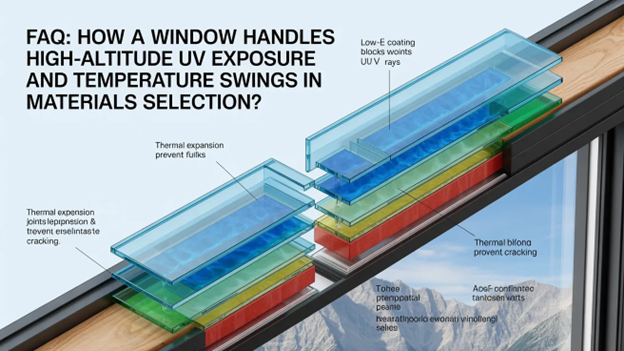
● In Colorado, big day-night temperature swings and high-altitude sun make “balanced” window choices important, not just “lowest number wins.”
● Ratings matter, but installation quality (air sealing, flashing, fit) often decides whether the window actually feels draft-free.
● Federal credit rules have caps and specific eligibility requirements; keep documentation if you want to claim anything.
Why window efficiency feels different in Colorado
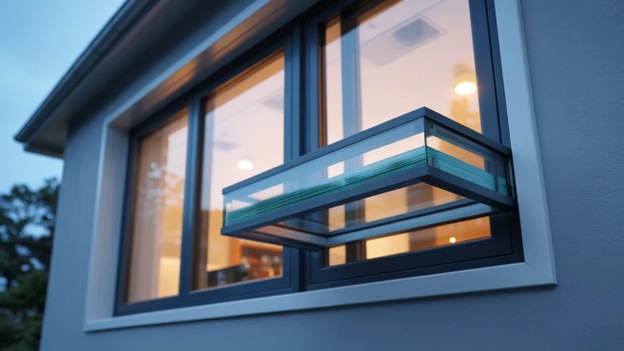
Window efficiency feels different in Colorado because you can have cold nights, strong sun, wind, and fast weather changes in the same week. That mix is why people replace windows even when the old ones “still open and close.” They want fewer drafts, more even room temperatures, and less HVAC cycling.
If you take one idea from this article, let it be this: the right window for Colorado is the one that balances insulation (U-factor) with solar control (SHGC) for your home’s orientation and exposure.
What is U-factor on a window?
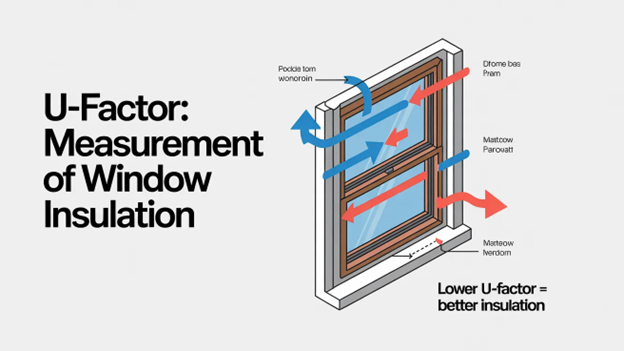
U-factor is a measurement of how well a window insulates. Lower U-factor means less heat loss through the window, which usually translates to warmer-feeling rooms in winter and fewer cold drafts near glass.
Most homeowners don’t need to memorize the science. A practical way to think about it is:
● Lower U-factor = better winter comfort
● Higher U-factor = more heat escaping (and more “cold glass” feeling)
What is SHGC on a window?
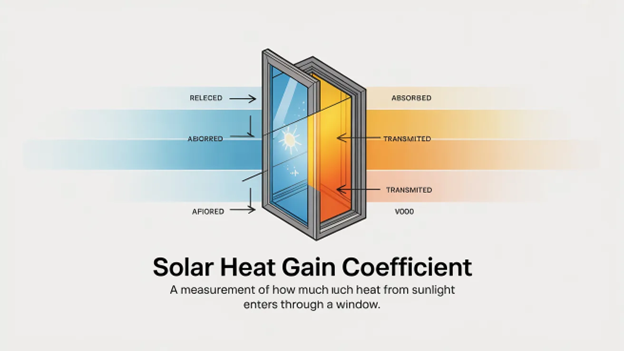
SHGC (Solar Heat Gain Coefficient) is a measurement of how much heat from sunlight enters through a window. Lower SHGC blocks more solar heat; higher SHGC lets in more solar heat.
In Colorado, SHGC is a “depends” number:
● If you have strong sun exposure and little shade, too-high SHGC can create summer overheating.
● If you have good overhangs/shade and want passive winter warmth, a higher SHGC can be helpful on the right sides of the house.
What U-factor and SHGC should Colorado homeowners look for?
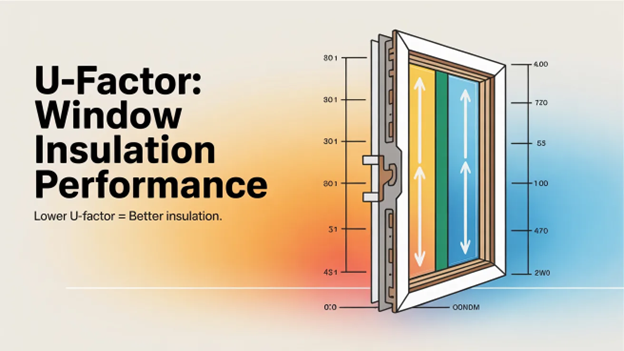
Colorado homeowners should generally prioritize a low U-factor and then choose SHGC based on window direction and shading. The U-factor helps with winter performance across the board; SHGC is where you dial in comfort room-by-room.
One of the clearest consumer summaries comes from the U.S. Department of Energy: U-factor typically ranges roughly 0.20 to 1.20 for windows (lower insulates better), and SHGC ranges 0 to 1 (lower lets in less solar heat). DOE also recommends choosing U-factor/SHGC based on climate zone and even calls out orientation-based “shop for performance” guidance (for example, cold-climate north-facing windows benefit from the lowest U-factor you can afford).
A simple, Colorado-friendly way to use that guidance
You don’t need a perfect spreadsheet to benefit from ratings. Here’s the practical approach:
● North-facing windows (least direct sun): prioritize lowest U-factor to reduce cold-wall feeling.
● South-facing windows (most sun): consider whether you want solar gain (winter warmth) or need to limit it (overheating). Overhangs and shade matter a lot here.
● East/West windows (hard morning/afternoon sun): SHGC and shading often matter more because glare and overheating can spike.
If you’ve ever had one room that’s always too hot in the late afternoon, that’s usually an east/west SHGC + exposure problem, not an HVAC mystery.
Are triple-pane windows worth it in a Colorado mountain climate?
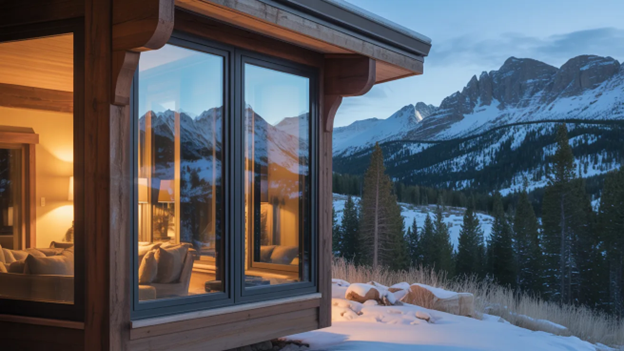
Triple-pane windows are worth it in Colorado when comfort problems are driven by cold glass, wind exposure, elevation, or noise—not just “I want the best spec.”
Triple-pane can make sense if:
● You live in a windy area (foothills, open plains, ridgelines)
● Bedrooms sit above garages or have large glass areas that feel cold
● You notice condensation patterns or “cold radiating” off the window
● You want noticeably better sound control near traffic or busy streets
● You’re replacing large picture windows where comfort matters most
Triple-pane may not be necessary if:
● The home already has decent insulation and air sealing
● Your discomfort is mainly from air leaks around the frame (installation issue)
● You’re focused on a cost-effective upgrade across many openings
Pro tip: ask what “triple-pane” actually includes
Not all triple-pane packages perform the same. The glass build (coatings, gas fills, spacer system) matters as much as the pane count.
Don’t ignore the “unsexy” efficiency factors
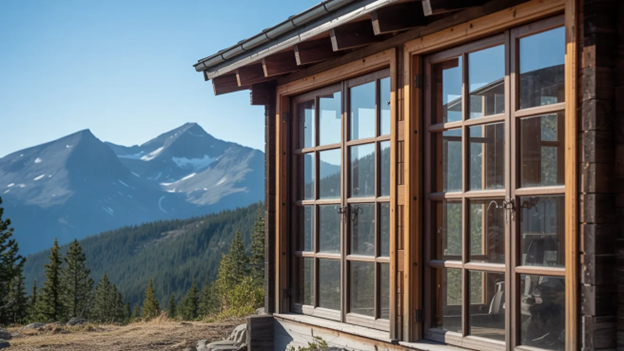
The “unsexy” efficiency factors—air leakage, frame choice, and installation—often decide whether your upgrade feels like an upgrade.
Even a high-rated window can disappoint if:
● The opening isn’t properly flashed and sealed
● Foam and backer rod are skipped or rushed
● The window isn’t squared, leaving gaps that move with temperature swings
If your goal is “no drafts,” prioritize a contractor who talks about the install process clearly, not one who only talks about glass specs.
What about tax credits for energy-efficient windows in Colorado?
Tax credits for energy-efficient windows in Colorado typically come down to federal rules, plus whatever utility rebates happen to be available in your area.
As of the current IRS guidance page, the Energy Efficient Home Improvement Credit (commonly associated with “25C”) allows 30% of certain qualified expenses and includes annual caps, with specific limits such as $600 total for exterior windows and skylights and $250 per exterior door (up to $500 total), within an overall annual cap structure. The IRS page also notes the credit applies to qualifying property placed in service before December 31, 2025, and highlights documentation requirements (including manufacturer-related requirements referenced for 2025).
What to do with that information (practically):
● Treat credits as a bonus, not the reason to buy a window that doesn’t fit your home.
● Keep model numbers, receipts, and any manufacturer certification documentation.
● If you’re installing after 2025, confirm current eligibility rules before you assume anything.
(Not tax advice—just a homeowner-friendly way to avoid surprises.)
Quick checklist: what to ask your window company
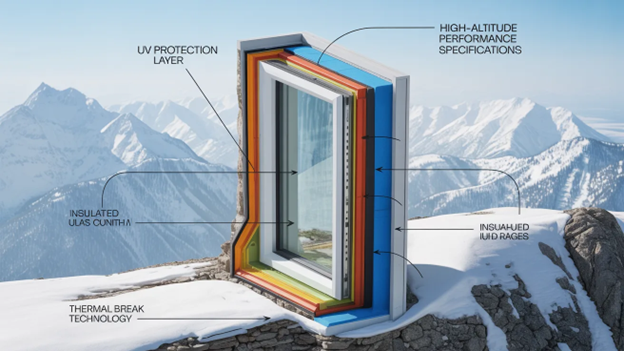
This checklist helps you get answers that map to comfort in your home, not just marketing.
● What are the U-factor and SHGC ratings for the exact window package quoted?
● Do you recommend different glass packages by orientation (north vs south vs west)?
● For triple-pane, what’s the actual glass configuration (coatings, fills, spacer)?
● How will you air seal and flash the opening (step-by-step)?
● How do you handle high-altitude UV exposure and temperature swings in material selection?
● What’s the plan for rooms that currently overheat or feel cold?
FAQ: U-factor, SHGC, and triple-pane windows
Is a lower U-factor always better?
A lower U-factor is almost always better for insulation, especially in cold climates like Colorado. The tradeoff is usually cost, not comfort.
Is a lower SHGC always better?
A lower SHGC is not always better in Colorado because winter sun can be an asset on the right sides of the home. The “best” SHGC depends on orientation, shade, and how your rooms currently behave.
Will new windows eliminate drafts?
New windows eliminate drafts when the window package is efficient and the installation is airtight. If you still feel airflow, it’s usually sealing or fit—not the glass rating.
Summary and next step
U-factor tells you insulation performance; SHGC tells you solar heat gain. In Colorado, the best-performing window choices usually come from combining a low U-factor with a SHGC strategy that matches your home’s exposure—and then installing the window with serious attention to sealing and flashing.
If you want help picking the right ratings for your specific home (instead of guessing from a label), Modern Windows & Doors can map window orientation, comfort issues, and budget into a clear recommendation—including where triple-pane makes sense and where it doesn’t.
Related Posts