Request a consultation

TL;DR — Colorado Window Buying Guide: Vinyl vs Fiberglass, Double vs Triple-Pane & Top Brands
This guide explains how Colorado homeowners can compare window frame materials, glass packages, and major brands to balance comfort, durability, and budget in a high-altitude climate.
Key takeaways:
- Vinyl windows are usually the most cost-effective and can perform well when you choose strong welds, quality spacers, and a reputable installer.
- Fiberglass windows are typically the “stability” choice for big temperature swings because the material expands and contracts less than many plastics.
- Double-pane windows are still the default, but triple-pane can improve comfort and sound control in many Colorado homes.
- The NFRC label is the easiest apples-to-apples comparison tool for U-Factor and SHGC when you are shopping.
- Low-E coatings and gas fills matter as much as pane count, especially with Colorado sun and winter nights.
- “Top brands” should be judged by warranty support, local installer quality, and the right product line, not just the name on the sticker.
- Federal tax credits can change the math, so confirm current eligibility before you buy.
Colorado homeowners ask the same practical question every year: “What windows make sense here?” Colorado weather is a mix of strong sun, big temperature swings, wind, and winter heating needs, and that combination can punish the wrong window choice. This buying guide breaks down the two decisions that matter most—frame material (vinyl vs fiberglass) and glass package (double vs triple-pane)—and then explains what “top brands” really means when you are getting bids in Colorado.
Colorado window buying starts with climate and comfort goals

Colorado window buying starts with deciding what you want to improve first—comfort, energy bills, noise control, durability, or appearance—because different window packages prioritize different outcomes.
If winter drafts are the problem, focus on insulation performance and air sealing. If afternoon heat and glare are the problem, focus on solar control. If highway noise or neighborhood noise is the problem, focus on sound-reduction strategies that usually involve glass thickness, laminated layers, and tighter installation details. A clear “top two” list helps you avoid paying for features you do not need.
Vinyl windows are a common choice in Colorado because they are usually the lowest-cost path to a solid upgrade when the product line is well-built and the installation is done correctly.
Vinyl works best when you pay attention to the specific build quality points that affect longevity: reinforced meeting rails, durable welds at corners, quality weatherstripping, and hardware that does not feel loose. In Colorado, ask how the window line handles sun exposure and temperature swings, because cheaper vinyl can warp or feel “soft” over time if the design is underbuilt.
When vinyl is a strong fit
- You want a meaningful upgrade over older aluminum or drafty wood windows without jumping to premium pricing.
- Your openings are fairly standard sizes.
- You are prioritizing payback and overall project budget.
When vinyl is not the best fit
- You want very narrow frames for maximum glass area.
- You want a darker exterior color in full sun and need strong heat-management performance from the product line.
- You are doing a high-end architectural look where frame sightlines matter most.
Fiberglass windows are the stability play for temperature swings and long service life
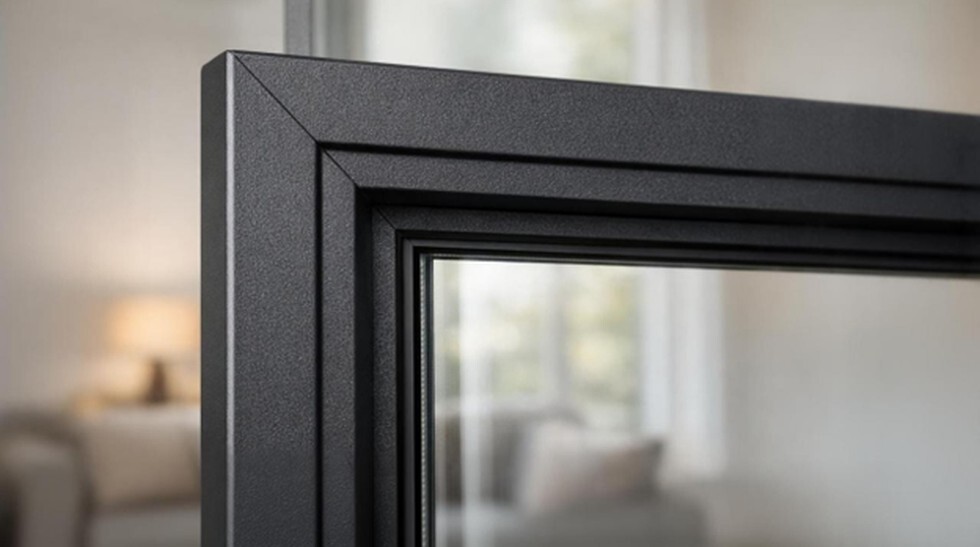
Fiberglass windows are often chosen in Colorado because the material is dimensionally stable, which can help the unit hold tight seals through hot days and cold nights.
Fiberglass typically costs more than vinyl, but many homeowners justify the upgrade when they want a stiffer frame, longer-term durability, or a premium painted finish. Fiberglass can be a strong choice for large openings, picture windows with narrow profiles, and homes where you want the window to “feel” more rigid when you operate it.
Where fiberglass tends to shine
- Larger window sizes where stiffness matters.
- Homes exposed to strong sun and big seasonal swings.
- Projects where long-term performance is more important than lowest upfront cost.
Composite and wood windows are usually chosen for specific design goals, and the trade-offs are worth stating plainly before you fall in love with the look.
Wood interiors can be beautiful, but wood requires care and is less forgiving if water management is poor. Composites vary widely by manufacturer, so the performance depends heavily on the specific product line and how it is built. If you are comparing these categories, warranty terms and local service support matter as much as brochure claims.
Double-pane windows are still the default for most replacements
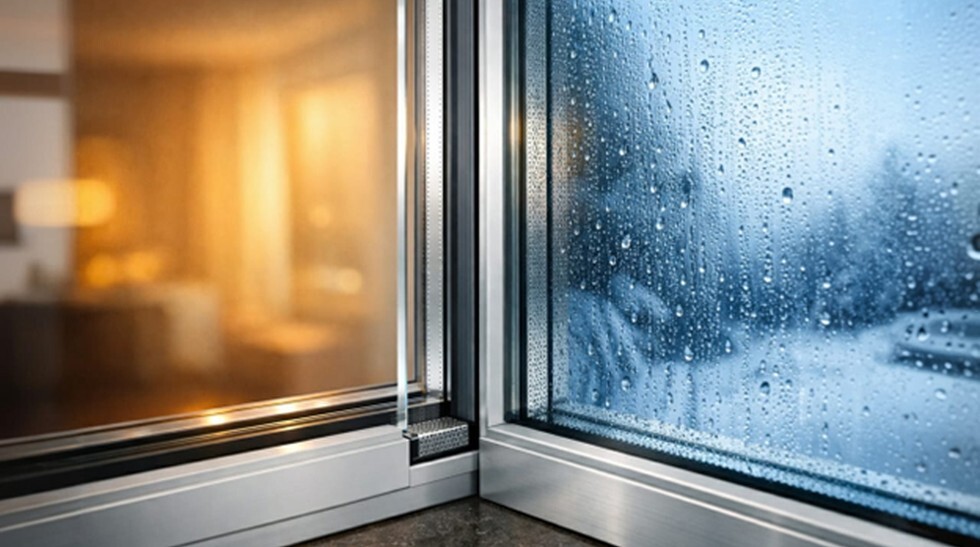
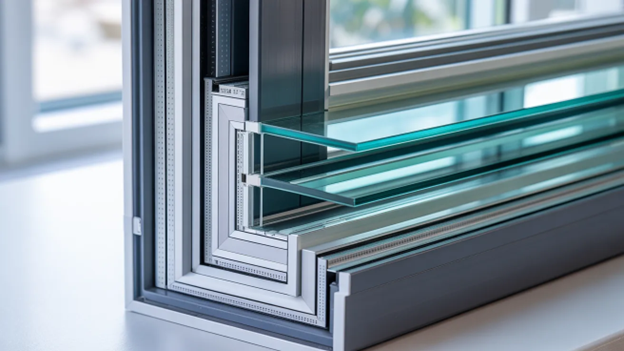
Double-pane windows are the default replacement choice because they often deliver a large comfort and efficiency jump over older single-pane or leaky double-pane windows at a reasonable price.
For many Colorado homes, a modern double-pane unit with the right Low-E coating and a quality install can feel dramatically better than what it replaced. Double-pane is also where you will usually find the widest range of price points across brands.
Triple-pane windows are often chosen in Colorado when comfort is the priority, when the home is in a colder or windier microclimate, or when sound control matters.
Triple-pane is not automatically “better” for every room, because the value depends on what you are fixing. Bedrooms that feel cold at night, north-facing rooms, and windy exposures are common places where triple-pane can feel worth it. Many homeowners mix packages—triple-pane where it matters, double-pane elsewhere—to control budget while still solving the biggest comfort issues.
The NFRC label is the comparison tool you should trust
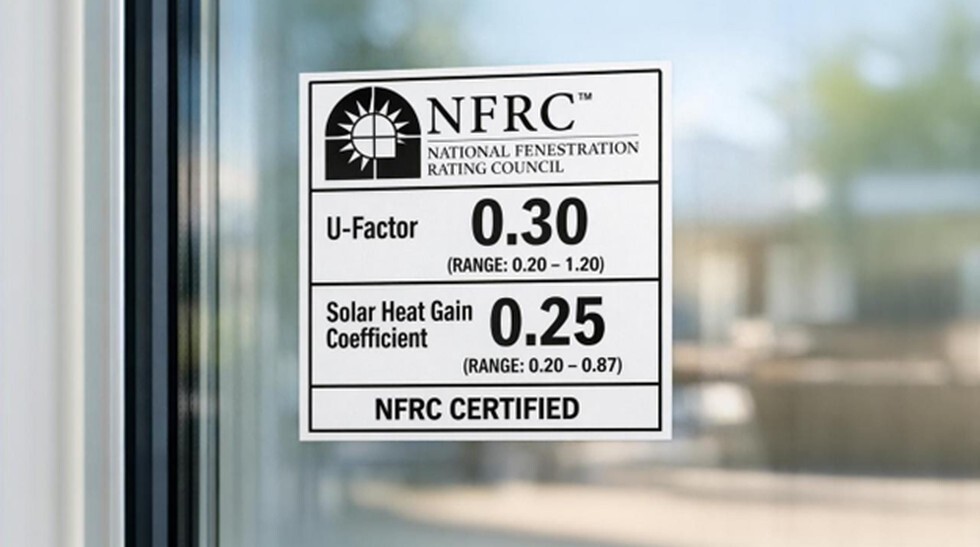
The NFRC label is the simplest way to compare window energy performance across brands because it standardizes key ratings like U-Factor and Solar Heat Gain Coefficient (SHGC).
If you only learn two terms, learn these:
- U-Factor: how well the window insulates (lower is better).
- SHGC: how much solar heat the window lets in (lower blocks more sun heat).
In Colorado, you usually want a strategy that fits the elevation, sun exposure, and heating season in your specific location, not a one-size-fits-all “lowest number wins” approach.
Low-E coatings and gas fills are major performance drivers because they influence heat transfer and solar gain even more directly than frame material alone.
Pane count matters, but so does what is between and on the glass. Ask each bidder what glass package is included, what the Low-E coating is designed to do (solar control vs insulation emphasis), and whether the quote is consistent across all windows or varies by exposure.
“Top brands” in Colorado should be judged by product line, not just the name
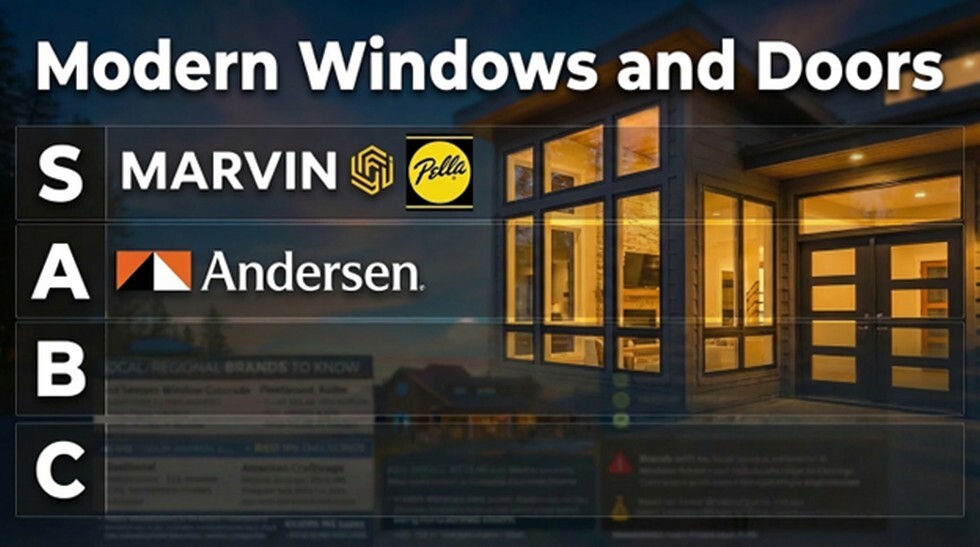
“Top brands” should be evaluated by the specific series being quoted, warranty strength, and installer quality, because most big manufacturers sell multiple tiers that perform very differently.
Instead of asking “Is Brand X good?”, ask these more useful questions:
- Which product line or series is this bid using?
- What is the glass package and NFRC rating for that exact configuration?
- What is covered in the warranty, and who actually services it locally?
- Who is installing the windows, and how is water management handled at the opening?
In practice, a mid-tier line installed correctly can outperform a premium line installed poorly. That is why comparing bids by “brand name only” usually leads to confusion.
Colorado bid comparisons should start by confirming you are comparing the same scope, because two quotes can look similar until you notice one includes better flashing details, upgraded glass, or a different replacement method.
A clean comparison checklist includes:
- Replacement method (insert vs full-frame) and what is included in trim and exterior finish work
- Glass package details (Low-E type, pane count, gas fill)
- NFRC ratings for the quoted configuration
- Warranty details (product and labor)
- Jobsite protection, debris handling, and project timeline assumptions
Tax credits can affect your net cost, so confirm the current rules before you buy
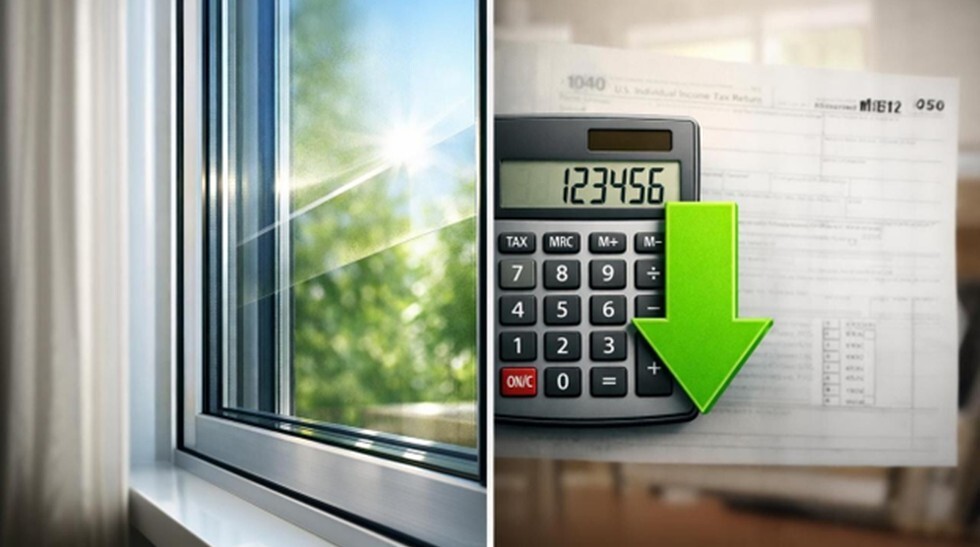
Tax credits can materially affect your net cost because the federal Energy Efficient Home Improvement Credit has specific annual limits for windows, skylights, and doors.
As of the IRS guidance, the credit is capped annually and includes a specific limit for exterior windows and skylights ($600) and exterior doors ($250 per door, $500 total) within the broader annual cap for certain improvements.
(Always confirm eligibility requirements for the exact products you are buying and keep documentation.)
When you are ready to choose windows for your Colorado home, narrow your decision to (1) the right frame category for your budget and durability goals and (2) the right glass package for your exposures and comfort needs, then compare bids using the same scope and performance labels.
If you want a professional opinion on the best mix of vinyl vs fiberglass and double vs triple-pane for your specific elevations, sun exposure, and rooms, schedule a consultation here.
Related Posts