Request a consultation

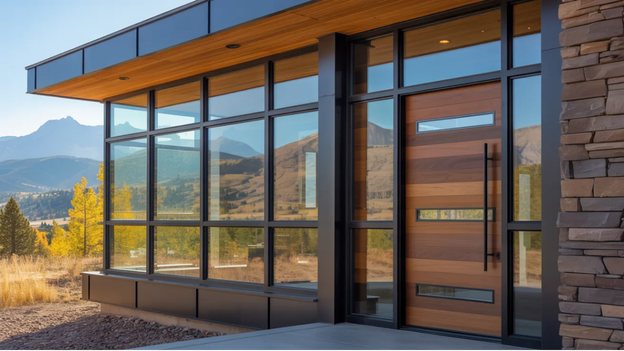
Colorado homeowners should prioritize laminated safety glass, tighter air sealing, and upgraded locking hardware because those three upgrades directly address hail breakage, outside noise, and forced entry. Colorado’s weather and elevation make “standard” window packages feel fine on paper but underperform in real life, especially on the Front Range.
Key Takeaways
Key takeaways are that laminated glass improves post-impact safety, sound ratings (like STC) help compare noise control, and proper flashing/air sealing often matters as much as the glass package.
- “Hail-resistant” usually means stronger glazing choices, not “hail-proof.”
- Laminated glass is a safety glazing type recognized in federal glazing safety standards.
- STC is a standardized sound rating based on ASTM methods, so it’s useful for comparisons.
- Air leaks around the frame can undermine noise control and comfort.
- Flashing and water management details prevent hidden wall damage around windows.
Why do Colorado homes need different window upgrades?

Colorado homes need different window upgrades because hail risk and weather swings are unusually high across the Front Range, and that changes what fails first. The Rocky Mountain Insurance Information Association notes the Front Range is in “Hail Alley,” with recurring catastrophic hailstorms and billions in insured losses over time.
That doesn’t mean every home needs the most expensive glass available. It means your upgrade money should go to the failure points Colorado is famous for: impact events, drafts, and comfort issues.
What does “hail-resistant glass” actually mean?

“Hail-resistant glass” usually means you’re selecting glazing that’s more resilient to impact and safer if it breaks, not that it can’t break. In real-world terms, you’re trying to reduce (1) the chance of breakage and (2) the mess, safety risk, and water intrusion if breakage happens.
A practical upgrade path many homeowners use is:
- A stronger outer pane choice (often tempered in many applications)
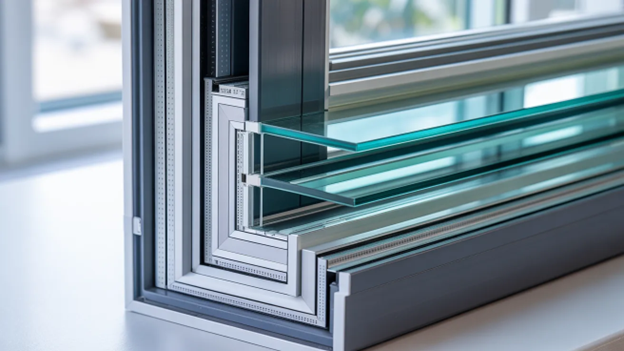
- A laminated inner pane so the glass tends to stay together if cracked
- A frame + installation that keeps water out if the outer pane is damaged
If you’re comparing “impact-rated” windows, understand that impact certification is often tied to windborne-debris standards built for hurricanes. ASTM notes those standards were developed for hurricanes but may be used for other similar windstorms involving debris.
What are laminated safety glass options, and why do they matter?

panes so the glass tends to remain bonded after it cracks. This is why laminated glass is commonly discussed as “stays together” glass and why it’s used in applications where post-breakage behavior matters.
Two practical benefits for Colorado homeowners:
- Post-impact safety: fewer loose shards and a “held together” break pattern.
- Security delay: it can take longer to penetrate than standard annealed glass because the interlayer resists quick punch-through.
What to ask for when you’re shopping:
- “Is laminated glass included on the interior pane?”
- “Is it laminated on all operable units or only fixed windows?”
- “Does the quote specify laminated thickness/interlayer type?”
How do you reduce outside noise with windows?

You reduce outside noise with windows by improving both glass performance and airtightness, because sound sneaks through gaps just like cold air. This is why “better glass” can underperform if the installation leaves leakage around the frame.
The simplest way to compare window sound control is the Sound Transmission Class (STC) rating. STC is a single-number rating used to compare sound insulation performance, and it’s calculated based on ASTM methods (including ASTM E90 measurements and ASTM E413 rating procedure).
Noise-control upgrades that usually help the most:
- Laminated (acoustic) glass (often improves sound damping versus standard glass).
- Thicker or mixed-thickness panes (breaks up vibration patterns).
- Better perimeter sealing and air sealing at the rough opening (stops the “gap leak” pathway).
Which window security hardware upgrades are worth it?

Window security upgrades that are usually worth it are the ones that harden the easiest entry points: weak latches, easy-to-pry sashes, and ground-level openings.
A good “security stack” looks like this:
- Upgraded window locks (ask about stronger sash locks or multi-point style hardware where available)
- Properly aligned frames (a window that’s out of square often doesn’t lock as tightly)
- Laminated glass on vulnerable openings (adds resistance and delays entry compared to a quick smash)
Research summaries aimed at policing and prevention note that burglars often exploit unsecured windows and doors, and a large share of burglaries involve forced entry using simple tools.
How do you pick the right upgrade package for your home?

You pick the right upgrade package by matching features to the problem you’re actually trying to solve.
- If hail is your top concern: prioritize laminated safety glass options and ask about impact performance.
- If noise is your top concern: prioritize a higher STC-rated configuration and airtight installation details.
- If security is your top concern: prioritize locking hardware upgrades plus laminated glass on first-floor windows.
Example / Template
Example / template tables are useful because they make “feature shopping” concrete and comparable.
| Problem you’re solving | Best upgrade to ask about | Why it helps |
| Hail damage risk | Laminated safety glass on interior pane | Holds together after cracking; safer break behavior |
| Road / neighbor noise | Higher STC configuration + airtight install | STC helps compare sound control; air leaks kill performance |
| Forced entry concern | Stronger locks + laminated glass on first floor | Harder to defeat quickly than basic latch + standard glass |
| Drafts + comfort swings | Proper air sealing around the frame | Reduces leakage pathways that cause drafts |
| Hidden water intrusion risk | Proper flashing tied into drainage plane | Directs water out instead of into the wall |
FAQs

Is laminated glass the same as tempered glass?
Laminated glass is not the same as tempered glass because laminated glass uses an interlayer to keep cracked glass bonded, while tempered glass is heat-treated to break into smaller pieces. Laminated glass is often chosen for post-breakage behavior and can also help with sound damping.
What is a “good” STC rating for windows?
A “good” STC rating depends on how noisy your area is, but the key is using STC to compare options consistently. STC is a standardized rating tied to ASTM test and rating methods, so it’s useful for apples-to-apples comparisons across products.
Are impact-rated windows worth it in Colorado?
Impact-rated windows can be worth it if you want a higher level of impact testing and you’re comparing products with clear documentation. Many impact ratings reference hurricane windborne-debris standards, and ASTM notes those standards may be used for other similar windstorms involving debris.
Does installation really matter for noise and comfort?
Installation matters for noise and comfort because air leaks around the window/frame act like a direct pathway for drafts and sound. Window and door openings are vulnerable points, and proper flashing and air sealing are part of preventing performance problems over time.
Checklist

A checklist is the fastest way to make sure your quote includes what you think it includes.
- Identify your top risk: hail, noise, or security.
- Ask for laminated glass options on vulnerable windows.
- Compare STC ratings when noise is a priority.
- Confirm flashing details and water management approach.
- Confirm interior air sealing method around the frame.
- Make locks and hardware part of the scope, not an afterthought.
Summary
Colorado-friendly window upgrades come down to three things: safer glass choices (often laminated), better sound control (often measured with STC), and better security/comfort through sealing and hardware. Hail and high-contrast weather make these upgrades more than “nice to have” for many Front Range homes.
If you want one simple rule: choose the upgrades that still matter on the worst day of the year—a hailstorm, a windy cold front, or a noisy summer night. When the glass, seals, and locks are chosen intentionally, your windows stop being a weak point and start being a real performance upgrade.
Ready to upgrade for Colorado hail, road noise, and better security? Schedule a complimentary consultation with us today and ask for a quote that includes laminated safety glass options, noise-control configurations, and upgraded locking hardware. We serve Colorado Springs and the entire Front Range.