Request a consultation

TL;DR – Financing Your Window & Door Project
- Financing lets you spread the cost of new windows and doors over time, so you can upgrade sooner and choose higher-performing products instead of the cheapest option.
- Total project cost usually includes products, pro installation, removal/disposal, trim and hardware, possible framing repairs, permits, and any custom or upgraded features, build a detailed line-item budget plus a contingency.
- Common ways to pay include home equity loans/HELOCs, personal loans, credit cards, and contractor financing (fast and convenient but always compare APR, fees, and terms).
- Tax credits, rebates, and energy-efficiency incentives can significantly reduce your net cost and future utility bills if you choose qualifying ENERGY STAR–level products and keep required documentation.
- To choose the best plan, compare APRs, total repayment over the loan term, monthly affordability with your other bills, and any prepayment penalties—then secure financing before signing the installation contract so your funding and project scope line up.
Modern Windows & Doors can help you explore styles, performance options, and financing approaches that match both your home and your budget.
Upgrading residential windows and doors is one of the highest-impact improvements you can make to comfort, curb appeal, and long-term energy costs. Financing your window & door project turns that big one-time price tag into manageable payments, so you can replace drafty units or outdated doors on a realistic timeline instead of postponing the work for years. This guide walks through the main financing options, available incentives, and practical steps to choose the right payment plan for your home.
Why Financing Your Window & Door Project Matters
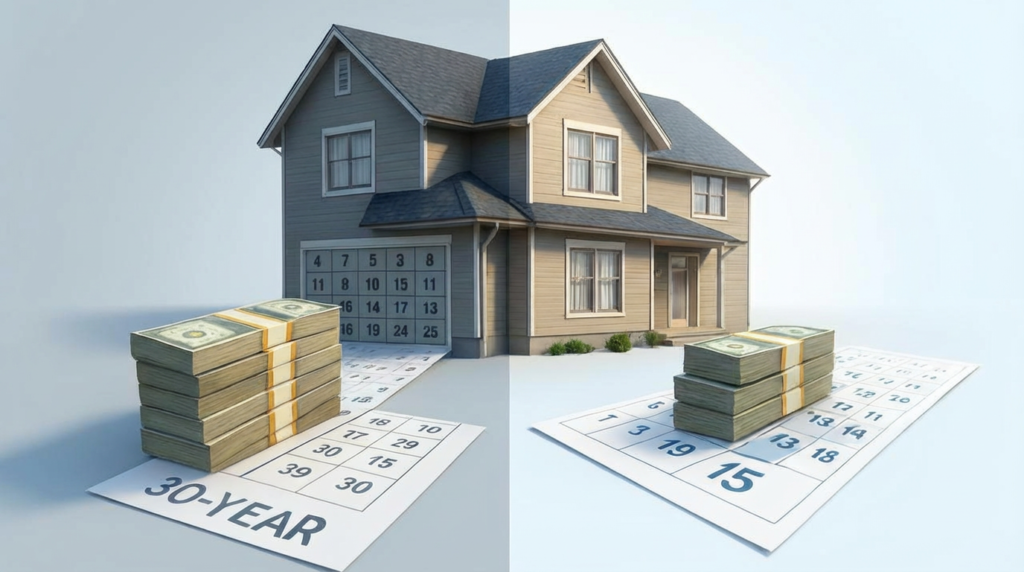
Financing your window & door project matters because it lets you align a large, one-time expense with your monthly budget instead of draining savings all at once. When you spread costs over time, you can often afford better-performing windows and doors that reduce drafts, noise, and energy waste rather than settling for the cheapest option. Better products and professional installation can increase comfort, improve security, and support your home’s resale value, which means you are pairing a predictable monthly payment with long-term benefits.
Understanding the total cost of a window & door project helps you choose a financing option that fits the full price, not just the headline quote. A complete replacement project usually includes product costs, professional installation, removal and disposal of old units, trim work, hardware upgrades, and any necessary repairs to surrounding framing. Your quote may also reflect permit fees, custom sizes, specialty glass, or upgraded finishes that add to the total. Building a line-item budget and adding a contingency for surprises gives you a clear target amount to finance and reduces the risk of mid-project cash shortfalls.
Home Equity Loans and Lines of Credit

Home equity loans and lines of credit are common ways homeowners finance larger window and door projects using the value they have built in their homes. A home equity loan typically provides a fixed lump sum with a fixed interest rate and a set repayment term, which makes your monthly payment predictable for the life of the loan. A home equity line of credit (HELOC) usually offers a variable rate and flexible draws, which can work well if you are staging projects or expect cost changes. Because both options are secured by your home, they often offer lower interest rates than unsecured credit, but they also carry more risk if you miss payments, so it is important to borrow conservatively and understand the terms.
Personal loans and credit cards can play a role in financing your window & door project when you do not want to tap home equity or need a smaller amount. A personal home improvement loan from a bank, credit union, or online lender is usually unsecured, with a fixed rate, fixed term, and predictable monthly payment. Approval often depends on your credit score, income, and existing debts, and interest rates may be higher than secured loans. Credit cards can cover deposits, smaller projects, or unexpected add-ons, especially if you qualify for a promotional 0% APR period, but carrying a balance at standard credit card rates can quickly make the project more expensive, so they work best when you have a clear payoff plan.
Contractor Financing and In-House Payment Plans

Contractor financing and in-house payment plans are another way to spread the cost of new windows and doors without arranging a separate loan on your own. Many installers partner with third-party finance companies to offer options such as “no interest if paid in full” promotions, fixed-rate installment plans, or longer-term loans with lower monthly payments. These offers can be convenient because you apply directly through the contractor at the time of your quote, and approval decisions may be fast. To protect your budget, read the full terms, check whether promotional interest is deferred or waived, confirm any origination or prepayment fees, and compare the total cost with quotes from your bank or credit union before signing.
Tax credits, rebates and incentives for energy-efficient upgrades can reduce the net cost of your window & door project and lower ongoing utility bills. In many regions, federal or regional tax credits, utility rebates, and local energy-efficiency programs offer financial incentives when you install high-performance windows and doors that meet specified standards. For example, the U.S. Environmental Protection Agency’s ENERGY STAR program reports that replacing poor performing windows with ENERGY STAR certified models can lower household energy bills by an average of about 12%. When you plan financing, ask your installer which products qualify for incentives, confirm any documentation requirements, and factor these savings into your overall budget so you understand both the upfront investment and long-term payback.
How to Compare Payment Plans and Choose What Fits
Comparing payment plans and choosing what fits your situation means looking beyond the monthly payment to the total cost over time. When you evaluate loan or financing offers, start with the annual percentage rate (APR), which captures interest and most fees, and the length of the term, which influences how much you pay in interest. A longer term will usually reduce the monthly payment but increase the overall interest paid, while a shorter term does the opposite. It is helpful to calculate the total amount you will pay over the life of the loan, check for prepayment penalties, and consider how the payment fits alongside other obligations such as your mortgage, car payments, and everyday bills.
Securing financing before you sign a contract helps you move smoothly from estimate to installation without last-minute surprises. A practical sequence is to review your credit report, estimate how much you can comfortably pay each month, and request itemized quotes from reputable window and door companies. With that information, you can compare offers from your bank, credit union, or online lenders and see how they stack up against any contractor financing options. Once you choose a loan or payment plan and receive approval, you can schedule your project with confidence, knowing the funding is in place and aligned with the scope of work.
Plan Your Next Window & Door Project with Modern Windows & Doors
Planning your next window & door project with Modern Windows & Doors means pairing clear financing options with high-quality products and professional installation. When you are ready to explore replacement or upgrade ideas, you can review your budget, consider which financing path makes the most sense, and then connect with the team at Modern Windows & Doors to discuss styles, performance options, and project timelines that match both your home and your financial plan.
Related Posts