Request a consultation


At Modern Windows and Doors, we help you decide whether your windows need a thoughtful repair, new glass, or a full replacement by starting with the symptom and tracing it back to the cause. A small draft may come from worn weatherstripping. Loose hardware may only need adjustment. Minor gaps in exterior caulk can often be resealed.
When the issue is limited and the frame is still performing well, repair may be the right path.
Other signs call for a closer look. Fog or moisture between the panes can indicate failed glass seals. Rot, repeated leaks, frames that are difficult to open, or utility bills that keep climbing may mean the window is no longer doing its job. In those cases, we may recommend replacing the glass unit, improving the sealing, or planning for full window replacement.
The practical next step is a clear diagnosis, so we can help you choose the option that protects your home, improves comfort, and makes sense for the long term.
Key Takeaways
- Drafts can come from worn weatherstripping, poor caulk, or frame movement.
- Fog between panes usually means the insulated glass seal has failed.
- Rot and soft framing should be assessed before any repair decision is made.
- Hard-to-open windows can signal hardware, balance, or frame problems.
- Leaks should be traced before assuming the window is the only issue.
- Full replacement makes sense when problems repeat across several openings.
When should homeowners repair instead of replace windows?

We usually recommend repairing a window when the frame is still solid, the glass is intact, and the issue is limited to sealing, hardware, or how the window operates. If the window still sits squarely in the opening and the surrounding trim, drywall, and framing are dry, repair is often the right first step. It keeps the scope focused and can improve comfort without turning a limited issue into a full replacement project.
In those cases, we may look at new weatherstripping, fresh exterior sealant, lock adjustments, sash balance repair, or a crank replacement. Thoughtful repairs like these can make a noticeable difference when the window itself still has good structure.
We also look at the bigger pattern. If the same window needs attention season after season, it usually suggests the repair may not be addressing the real problem, and we’ll walk you through what we’re seeing before recommending the next step.
When do drafts mean a small repair is enough?

Drafts may only need a small repair when the air leak comes from one clear spot around the sash, meeting rail, sill, lock, or interior trim. In that case, the glass and frame may still be serviceable, but the sealing points have worn down.
A simple draft check can help. On a windy Colorado day, feel around the edges of the window and note where the air enters. If the leak is limited, weatherstripping, caulk, or a lock adjustment may be enough.
A draft becomes more concerning when the sash no longer closes evenly, the frame looks bowed, or several windows in the same room feel cold. That can point to aging windows, poor installation, or glass packages that no longer fit the comfort needs of the home.
What does foggy glass between panes mean?

Foggy glass between panes usually means the seal on the insulated glass unit has failed. Once moisture gets between the panes, cleaning the inside or outside surface will not remove the haze.
Glass replacement can make sense when the frame is still in good condition, and only one or two glass units have failed. This lets the homeowner restore clear glass without removing the full window frame.
Full window replacement becomes more practical when many windows show seal failure, the frames are worn, or the rooms also feel drafty. Replacing only the glass may leave the home with old frames, old weatherstripping, and the same comfort concerns.
When does rot or frame damage point toward replacement?

Rot or frame damage points toward replacement when the window frame is soft, swollen, cracked, or no longer holding the sash squarely. A small surface issue may be repairable, but deeper rot can affect structure, water control, and long-term performance.
Wood windows are a common example. If paint has failed on a small piece of trim, repair may work. If the sill is soft, the sash corners are separating, or water has reached the wall cavity, we should inspect the full opening before choosing a fix.
Colorado homes can face strong sun, snow, wind, and fast temperature changes. Once a frame loses its shape, the window may stop sealing correctly even after patching.
What should we do with hard-to-open windows?

We always recommend taking a hard-to-open window seriously. It may be something simple, like dirt in the track or paint buildup around the sash. It may also point to hardware failure, balance problems, sash distortion, or subtle frame movement. A sticking window is not always a replacement project, but it is worth checking before a small issue becomes a larger one.
If the problem started suddenly, we suggest looking closely at the balance system, crank hardware, and track condition. A broken balance, damaged crank, or debris in the track can make a window difficult to operate almost overnight. If the window has become harder to open over several years, the frame may have shifted, or the sash may no longer sit evenly inside the opening.
Operation matters for comfort, but it also matters for safety. Bedroom windows and other emergency escape openings should open reliably when you need them to. If a window takes real effort to lift, crank, or slide, we would rather help you understand the cause now than have you discover the problem at the wrong moment.
Do leaks mean the window must be replaced?

Leaks don’t always mean the window must be replaced, because water can enter through siding, roofing, flashing, trim, or failed exterior sealant before it appears near the window. The first step is to trace where the water starts.
A repair may be enough when the leak comes from a small caulk gap or a limited flashing issue. Replacement becomes more likely when water has damaged the frame, the unit was poorly installed, or staining keeps returning around the opening.
We should treat leaks as a system issue. The window, flashing, exterior cladding, sill slope, and drainage path all affect whether water stays outside.
How do rising utility bills affect the decision?

When window problems show up throughout your home, rising utility bills can be a sign that it’s time to look at the bigger picture. If several rooms feel cold, your HVAC system runs more than it used to, and your older windows show drafts or failed seals, we may recommend full replacement instead of repeated small repairs.
Not because repair is never worthwhile, but because piecemeal fixes can leave the same comfort and performance issues behind. We help you understand what is happening room by room, then guide you toward the option that makes the most sense for your home, your goals, and long-term value.
The U.S. Department of Energy explains that a lower U-factor means better energy performance, while a lower SHGC means less solar heat passes through the glass.
That doesn’t mean every Colorado home needs the same glass package. North-facing rooms, west-facing glass, high wind areas, and mountain properties can all need different priorities. We should match the window choice to the room, exposure, and comfort problem.
How do we choose between repair, glass replacement, and full replacement?

We choose between repair, glass replacement, and full replacement by deciding whether the problem is limited, sealed inside the glass, or part of the full window system.
If the frame is sound and the issue is a small air leak, repair is usually the first path. If the frame is sound but the glass is foggy between panes, glass replacement may be the cleaner option. If the frame is damaged, the unit leaks repeatedly, or comfort problems show up across many rooms, full window replacement is usually the better long-term choice.
The goal is not to replace windows too early. The goal is to avoid paying for repairs that don’t solve the real issue.
FAQs

Can weatherstripping fix drafty windows?
We can often solve a drafty window with new weatherstripping when the sash still closes the way it should, and the leak is coming from worn sealing material. That is a clean, practical fix when the window is otherwise sound.
If the draft is coming from warped frames, poor installation, gaps around loose trim, or older glass that no longer performs well, weatherstripping will not get you the result you want. In those cases, we would help you look at the full condition of the window so you know whether a repair makes sense or whether replacement is the better long-term option.
Is condensation on the room side the same as fog between panes?
We look at room-side condensation differently from fog between panes. If you see moisture on the inside surface, it often comes from indoor humidity meeting cold glass, while fog between panes usually tells us the insulated glass seal has failed.
Should every window be replaced at once?
Every window does not always need to be replaced at once. Some homeowners start with the worst rooms first, especially bedrooms, large glass areas, or windows with failed seals. A phased plan can work when style, product line, and performance goals stay consistent.
Are old wood windows always worth repairing?
Old wood windows are worth repairing when the wood is solid, the look matters, and the comfort goal is modest. If rot, leaks, failed glass, or repeated drafts are present, replacement may provide a cleaner and more reliable result.
Summary
The clearest repair or replacement decision starts with what you are noticing in the home. If you feel drafts, we may be able to solve it with better weatherstripping or adjustment. If the glass looks foggy between the panes, you may need a new sealed glass unit rather than a full window. If locks, cranks, or hinges are giving you trouble, a targeted hardware repair may be the right move.
But when we see rot, recurring leaks, frame movement, or repeated performance issues, full window replacement is often the more reliable long-term answer.
For Colorado homes we work on, we also look beyond the symptom itself. Exposure, elevation, sun, wind, comfort goals, glass performance, and the quality of the original installation all matter. Our role is to help you understand what is actually happening, what can be repaired with confidence, and when replacement will give you a better fit, better performance, and better value over time.
If your windows are drafty, foggy, damaged, leaking, or getting harder to use, contact us today. We can review the condition of your windows, explain whether repair or replacement makes more sense, and help you choose a practical next step before you spend money on the wrong fix.
Related Posts
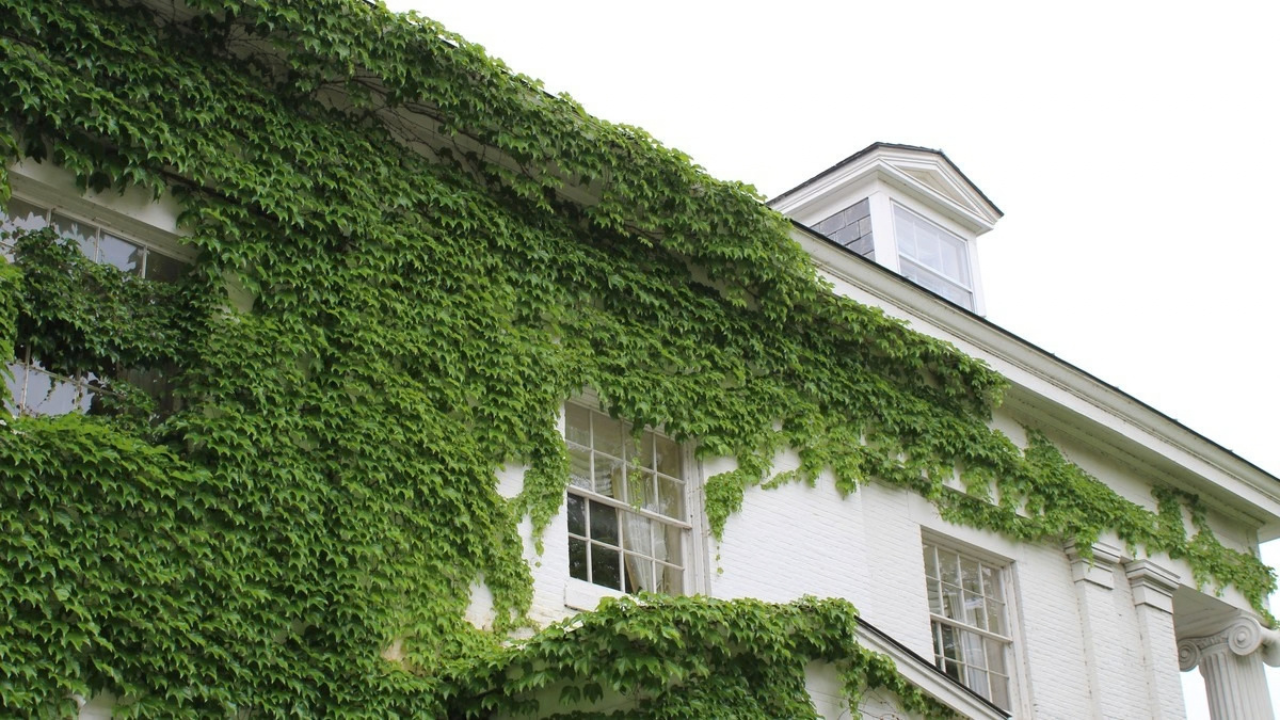
Best Replacement Windows for Historic Colorado Homes: Preserve Character Without Sacrificing Performance
Read More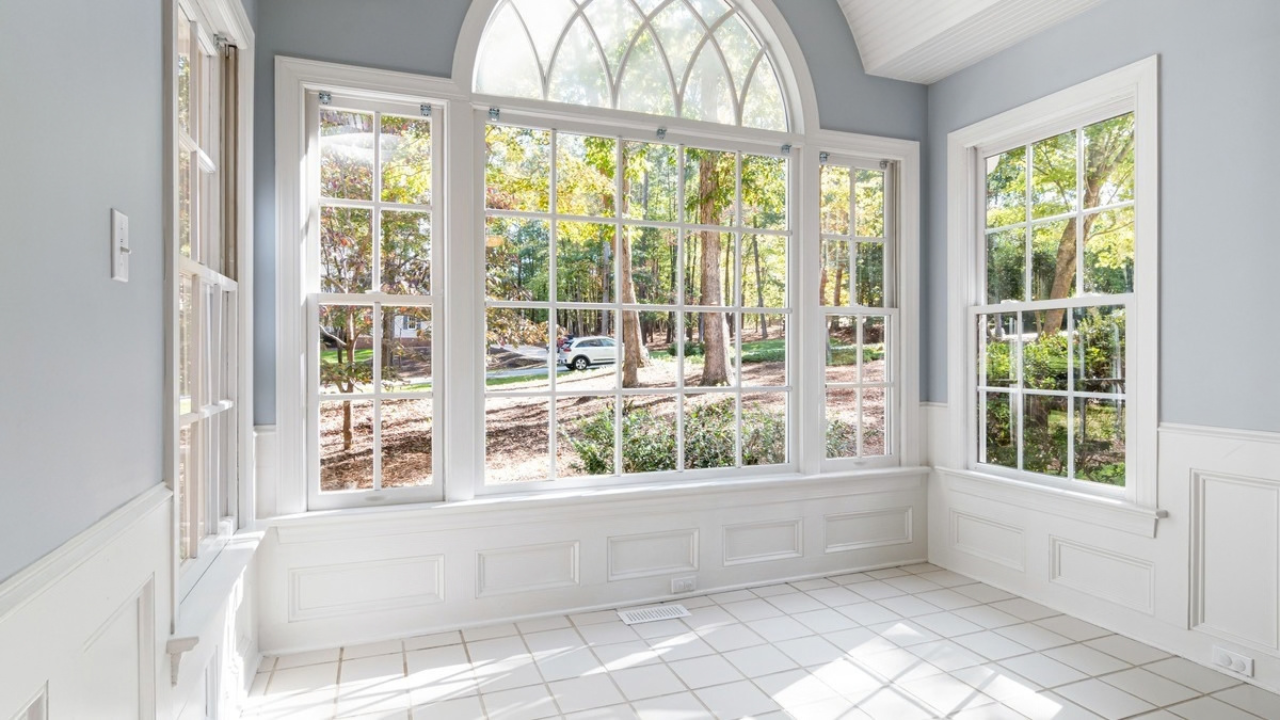
DIY vs. Professional Window Replacement in Colorado: Cost, Risk, and When to Hire an Installer
Read More