Selecting the right doors for your home can transform not only the look of your space but also its functionality, energy efficiency, and security. But with so many options on the market, how do you choose the best door solutions to meet your needs?
In this comprehensive guide, we’ll walk you through everything homeowners should know when exploring door solutions—from material choices to energy ratings and installation tips. Whether you’re building a new home or upgrading existing doors, this guide will help you make informed decisions that enhance your property’s value and performance.
Table of Contents
- What Are Door Solutions and Why Do They Matter?
- Which Door Types Are Best for My Home?
- What Materials Should I Consider for Door Solutions?
- How Do Door Solutions Impact Energy Efficiency?
- What Features Should I Look for to Ensure Security?
- Installation Considerations for Optimal Performance
- Maintenance and Longevity Tips
- Budgeting for Your Door Solutions Project
- Why Choose Modern Windows and Doors?
What Are Door Solutions and Why Do They Matter?
Door solutions refer to the comprehensive combination of products, styles, and installation techniques that provide homeowners with durable, attractive, and functional entryways. From front doors to interior passage doors, choosing the right door solutions ensures your home performs well in terms of energy efficiency, safety, and overall design.
Think of door solutions as more than just selecting a door—it’s about creating a complete system that includes proper framing, weatherproofing, hardware, and installation methods. For example, even the highest-quality door will underperform if installed with poor weatherstripping or inadequate framing.
Understanding how different types of doors serve different purposes is key to creating a cohesive and high-performing home. A well-planned door solution strategy can reduce energy costs by up to 15%, improve home security, and significantly enhance curb appeal.
Which Door Types Are Best for My Home?
Different areas of your home call for different door solutions. Here’s a detailed breakdown of the most common door types and their specific applications:
Entry Doors
Entry doors are the first impression of your home and must balance security, durability, and aesthetic appeal. These doors typically face the harshest weather conditions and highest security demands.
Single Entry Doors: The most common choice, ranging from 32 to 36 inches wide. Perfect for standard residential applications where space is at a premium.
Double Entry Doors: Create a grand entrance with widths typically ranging from 60 to 72 inches. Ideal for larger homes or when you want to make a statement.
Entry Doors with Sidelights: Combine the security of a solid door with the light-enhancing benefits of glass panels on either side. Popular in colonial and traditional home styles.
Patio Doors
Patio doors serve as the bridge between your indoor and outdoor living spaces, requiring careful consideration of both functionality and aesthetics.
Sliding Patio Doors: Space-efficient and contemporary, these doors slide horizontally along tracks. Standard sizes range from 6 to 12 feet wide. Perfect for homes with limited space around the door opening.
French Patio Doors: Hinged doors that swing inward or outward, available in configurations from 4 to 16 feet wide. They provide a classic, elegant look and allow for maximum opening width.
Folding Patio Doors: Also known as accordion or bi-fold doors, these create expansive openings by folding panels to one or both sides. Ideal for creating seamless indoor-outdoor living experiences.
Interior Doors
Interior doors provide privacy, sound control, and style throughout your home’s living spaces.
Hollow Core Doors: Lightweight and budget-friendly, perfect for closets and areas where sound dampening isn’t critical.
Solid Core Doors: Heavier and more sound-resistant, ideal for bedrooms and bathrooms where privacy is important.
Pocket Doors: Slide into wall cavities, saving space in tight areas like powder rooms or small bedrooms.
Barn Doors: Slide along exterior tracks, adding rustic charm while saving space.
Storm Doors
Installed in front of exterior doors, storm doors add protection against the elements and offer seasonal ventilation options.
Full-View Storm Doors: Feature large glass panels for maximum visibility and light transmission.
Ventilating Storm Doors: Include screens for airflow during pleasant weather.
Security Storm Doors: Reinforced construction for added protection in high-risk areas.
For a comprehensive overview of all door types available for residential applications, Everest provides an excellent resource that covers various styles and their specific benefits.
What Materials Should I Consider for Door Solutions?
Material selection plays a major role in the performance, maintenance requirements, and longevity of your doors. Each material offers distinct advantages and considerations:
Wood Doors
Wood offers timeless appeal and natural beauty but requires the most maintenance.
Solid Wood: Premium option using materials like oak, mahogany, or cherry. Provides excellent insulation and can be refinished multiple times. However, requires regular maintenance including staining or painting every 2-3 years.
Engineered Wood: Combines wood veneers with engineered cores for improved stability and reduced maintenance. Less prone to warping than solid wood while maintaining natural appearance.
Example Application: A solid mahogany front door with decorative glass inserts works beautifully in traditional or craftsman-style homes, providing both elegance and durability when properly maintained.
Steel Doors
Known for strength and security, steel doors are often chosen for front entries where security is paramount.
Advantages: Excellent security, fire resistance, and affordability. Most steel doors feature insulated cores for energy efficiency.
Considerations: Can dent or rust if not properly maintained. Limited design options compared to wood.
Example Application: A steel door with decorative glass inserts and a wood grain finish provides the security of steel with the appearance of wood, perfect for busy families prioritizing safety.
Fiberglass Doors
A versatile and low-maintenance option that mimics the look of wood while offering superior energy efficiency.
Benefits: Weather-resistant, energy-efficient, and available in numerous styles and finishes. Won’t warp, crack, or rot like wood.
Considerations: Can be more expensive than steel but less than high-end wood options.
Example Application: A fiberglass door with a wood grain texture and stain finish provides the beauty of wood with minimal maintenance requirements, ideal for Colorado’s varying climate conditions.
Glass Doors
Frequently used in patio doors or decorative inserts, glass brings light and openness to your space.
Tempered Glass: Four times stronger than regular glass and shatters into small, less dangerous pieces.
Laminated Glass: Features a plastic interlayer that holds glass together when broken, providing security and sound reduction.
Low-E Glass: Coated to reflect heat while allowing light transmission, crucial for energy efficiency.
Example Application: A sliding patio door with Low-E glass and argon gas fills provides maximum natural light while maintaining energy efficiency and UV protection for interior furnishings.
Composite Materials
Modern composite doors combine multiple materials for optimal performance.
Benefits: Excellent durability, weather resistance, and energy efficiency. Often feature steel or aluminum cores with fiberglass or vinyl surfaces.
Example Application: A composite front door with a steel core and fiberglass skin provides maximum security and weather resistance with minimal maintenance requirements.
The best door solutions balance material benefits with your budget, climate considerations, and maintenance preferences.
How Do Door Solutions Impact Energy Efficiency?
Modern door solutions can make a significant difference in your home’s energy use and comfort levels. Poorly insulated or aging doors often allow drafts, forcing HVAC systems to work harder and increasing utility costs.
Key Energy Efficiency Features
Insulated Cores: Look for doors with foam or other insulating materials between the interior and exterior surfaces. A properly insulated door can have an R-value (thermal resistance) of 10 or higher, compared to just 2-3 for non-insulated doors.
High-Performance Weatherstripping: Quality weatherstripping creates an airtight seal when the door is closed. Magnetic weatherstripping, commonly used on steel doors, provides superior sealing compared to basic foam strips.
Multi-Pane Glass Inserts: Double or triple-pane glass with inert gas fills (argon or krypton) between panes significantly improves thermal performance. For example, a single-pane glass insert might have an R-value of 1, while a triple-pane unit with Low-E coating can achieve R-values of 7 or higher.
Thermal Breaks: Advanced door systems include thermal breaks—non-conductive materials that separate interior and exterior components, preventing heat transfer through the door frame.
ENERGY STAR® Certification
ENERGY STAR certified doors meet strict energy efficiency guidelines set by the EPA. In Colorado’s climate zone, ENERGY STAR doors must meet specific U-factor (heat transfer rate) and Solar Heat Gain Coefficient requirements.
Example: An ENERGY STAR certified fiberglass door with Low-E glass and foam core insulation can reduce heating and cooling costs by $50-100 annually compared to a basic hollow core door.
Real-World Energy Impact
A comprehensive door upgrade project can yield significant energy savings. For instance, replacing five old doors (front entry, back entry, and three patio doors) in a 2,000 square foot home with ENERGY STAR certified options can result in:
- 10-15% reduction in heating and cooling costs
- Improved comfort through elimination of drafts
- Reduced HVAC system wear and tear
- Enhanced home value
By improving your home’s thermal envelope, these door solutions lower energy bills and increase year-round comfort while contributing to environmental sustainability.
What Features Should I Look for to Ensure Security?
Security is a top priority when evaluating door solutions, especially for entryways. Modern security features go far beyond basic deadbolts to create comprehensive protection systems.
Structural Security Elements
Reinforced Frames: Look for doors with steel or solid wood frames that can withstand forced entry attempts. Many manufacturers now offer reinforced strike plates with 3-inch screws that anchor into the wall studs rather than just the door frame.
Solid Core Construction: Doors with solid wood cores, steel construction, or foam-filled cores provide superior resistance to forced entry compared to hollow core alternatives.
Multi-Point Locking Systems: Advanced locking mechanisms that secure the door at multiple points along the frame, commonly found in high-end patio doors and some entry doors.
Advanced Locking Technology
Smart Locks: Electronic locks that can be controlled via smartphone apps, offering features like remote access, activity logs, and temporary access codes for guests or service providers.
Biometric Locks: Fingerprint or retinal scanners that provide keyless entry while maintaining high security standards.
Traditional Deadbolts: Grade 1 deadbolts (the highest security rating) with hardened steel bolts and anti-drill plates remain highly effective when properly installed.
Glass Security Considerations
Impact-Rated Glass: Designed to withstand hurricane-force winds and flying debris, impact-rated glass also provides excellent security against break-in attempts.
Laminated Glass: Features a plastic interlayer that keeps glass intact even when shattered, preventing easy entry through broken glass panels.
Decorative Glass Placement: Position decorative glass elements away from locking mechanisms to prevent easy access to door hardware.
Example Security Setup
A comprehensive front door security solution might include:
- Fiberglass door with steel reinforcement
- Grade 1 deadbolt with 3-inch strike plate screws
- Smart lock with activity monitoring
- Laminated glass sidelights
- Motion-activated security lighting
- Security camera integration
Security-conscious door solutions provide peace of mind while complementing your home’s exterior design and don’t have to sacrifice aesthetics for protection.
Installation Considerations for Optimal Performance
Proper installation is crucial for achieving maximum performance from your door solutions. Even the highest-quality door will underperform if not installed correctly.
Professional vs. DIY Installation
While some homeowners consider DIY installation to save money, door installation involves precise measurements, structural considerations, and specialized tools. Professional installation ensures:
- Proper fit and alignment
- Correct weatherproofing
- Warranty compliance
- Local building code adherence
Key Installation Elements
Proper Framing: Doors must be installed in properly sized and squared openings. Structural modifications may be necessary for oversized or specialty doors.
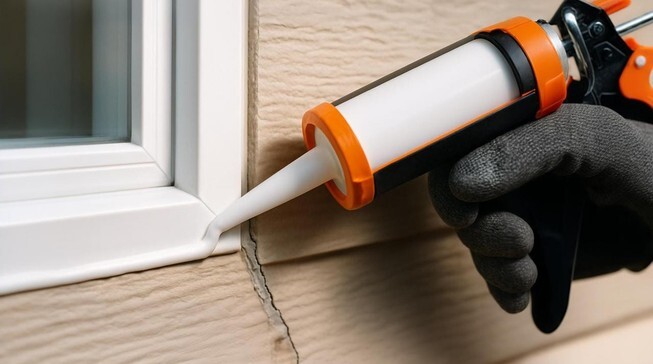
Weatherproofing: Complete weatherproofing includes flashing, caulking, and vapor barriers to prevent water intrusion and air leakage.
Hardware Installation: Proper alignment and adjustment of hinges, locks, and closing mechanisms ensure smooth operation and longevity.
Threshold Installation: Proper threshold installation prevents water infiltration and provides a smooth transition between indoor and outdoor surfaces.
Just as windows require professional installation for optimal performance, door installation services follow similar precision requirements to ensure maximum energy efficiency and security.
Maintenance and Longevity Tips
Different door materials require specific maintenance approaches to ensure longevity and optimal performance.
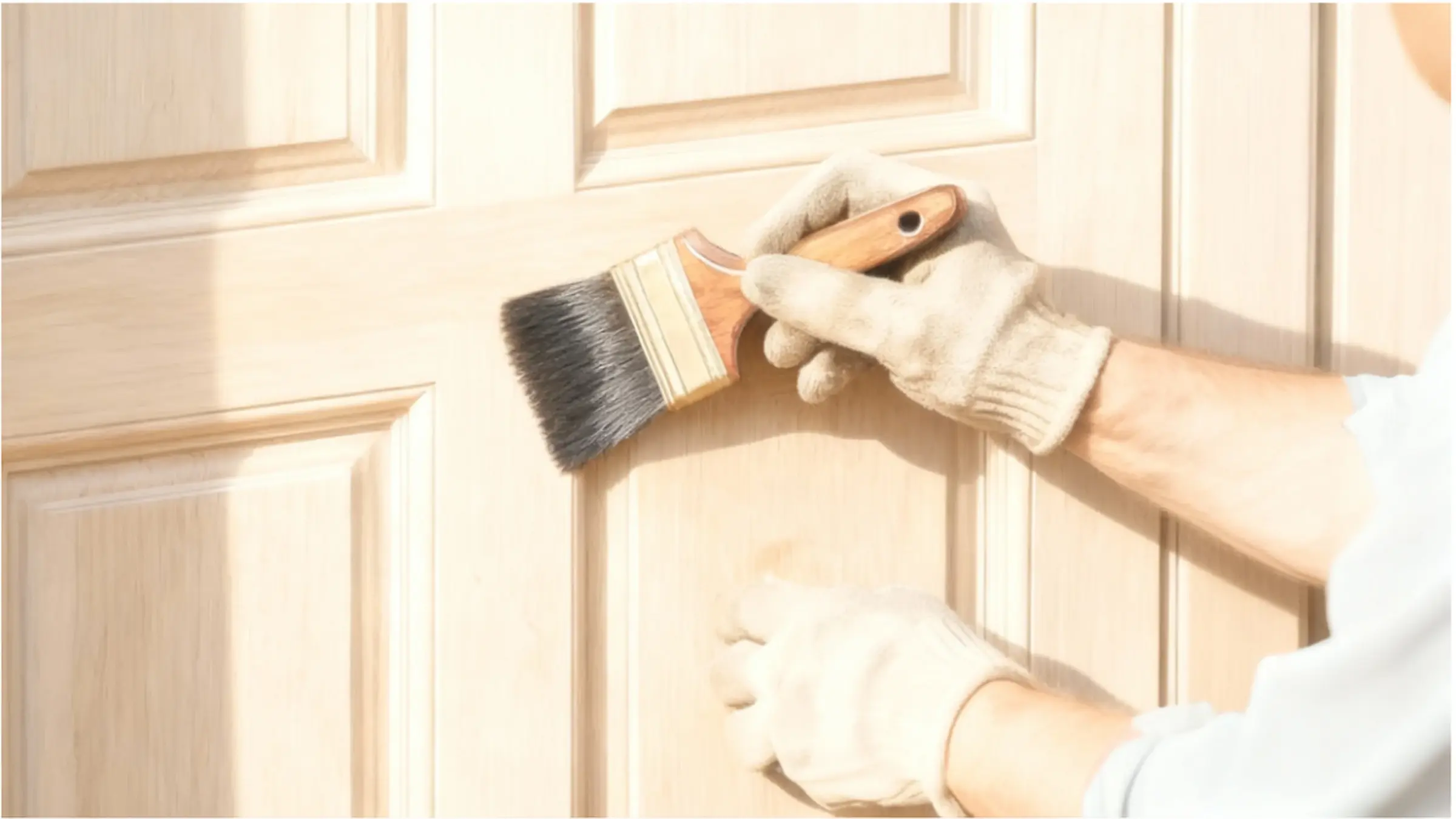
Wood Door Maintenance
- Inspect and touch up finish annually
- Clean with mild soap and water
- Avoid harsh chemicals that can damage finishes
- Check weatherstripping and hardware regularly
Steel Door Maintenance
- Inspect for rust or corrosion annually
- Touch up paint chips immediately to prevent rust
- Lubricate hinges and locks regularly
- Check weatherstripping for wear
Fiberglass Door Maintenance
- Clean with mild detergent and soft cloth
- Avoid abrasive cleaners
- Check caulking around frame annually
- Inspect hardware for proper operation
Glass Maintenance
- Clean with appropriate glass cleaners
- Inspect seals around glass inserts
- Check for condensation between panes (indicates seal failure)
- Replace weatherstripping as needed
General Maintenance Schedule
Monthly: Check door operation and locking mechanisms Seasonally: Inspect weatherstripping and caulking Annually: Professional inspection and maintenance As Needed: Touch up finishes and address minor issues promptly
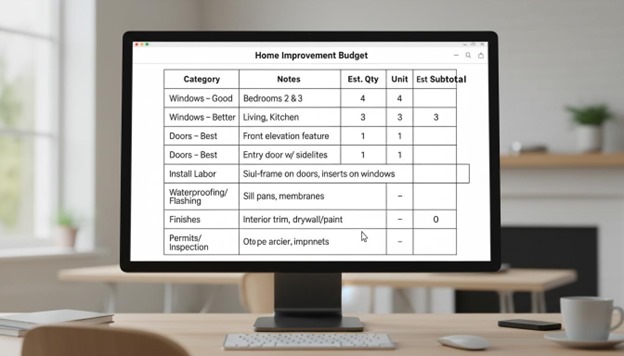
Budgeting for Your Door Solutions Project
Understanding the investment required for quality door solutions helps in project planning and decision-making.
Cost Factors
Material Costs: Entry doors range from $500 for basic steel doors to $5,000+ for custom wood or high-end fiberglass options. Patio doors typically range from $1,200 to $8,000 depending on size and features.
Installation Costs: Professional installation typically adds 20-40% to material costs but ensures proper performance and warranty compliance.
Additional Considerations:
- Structural modifications for oversized doors
- Electrical work for smart locks or lighting
- Trim and finishing work
- Permit costs (if required)
Value Considerations
Quality door solutions provide excellent return on investment through:
- Energy savings over time
- Increased home value (typically 60-70% of investment)
- Enhanced security and peace of mind
- Improved comfort and functionality
Financing Options
Many manufacturers and installers offer financing options to make door solutions more accessible:
- Manufacturer financing programs
- Home improvement loans
- Energy efficiency rebates and tax credits
- Seasonal promotional pricing
Why Choose Modern Windows and Doors?
At Modern Windows and Doors, we specialize in delivering high-performance, custom-tailored door solutions that meet the unique needs of Colorado homeowners. Whether you’re upgrading an entryway or selecting patio doors for a new addition, we offer a curated selection of styles and materials that deliver energy efficiency, security, and long-term durability.
Our comprehensive approach includes:
Expert Consultation: Our experienced team helps you select the right door solutions based on your specific needs, budget, and home style.
Quality Products: We partner with leading manufacturers to offer doors that excel in Colorado’s challenging climate conditions.
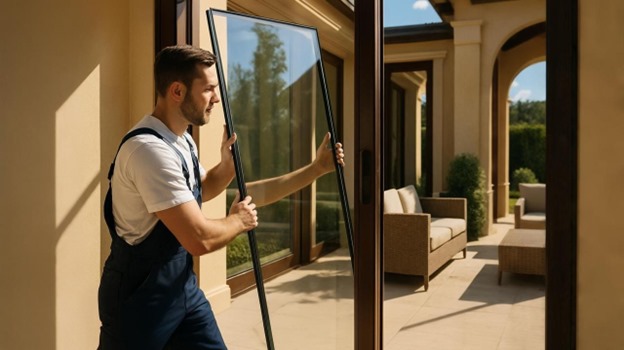
Professional Installation: Our certified installers ensure proper installation for maximum performance and warranty compliance.
Complete Service: From initial consultation through final installation and follow-up service, we provide a seamless experience that takes the stress out of your door replacement project.
Local Expertise: As Colorado specialists, we understand the unique challenges posed by our climate and can recommend solutions that perform optimally in our environment.
Our commitment to excellence has made us a trusted name in Colorado home improvement, with thousands of satisfied customers who have transformed their homes with our door solutions.
Ready to Explore Your Door Solutions?
Choosing the right door solutions can significantly improve the look, performance, and security of your home while providing excellent return on investment. From enhanced energy efficiency to improved curb appeal, quality doors are one of the most impactful upgrades you can make to your home.
Let Modern Windows and Doors help you make the best decision for your space. Our experienced team will guide you through the selection process, ensuring you choose door solutions that meet your specific needs and exceed your expectations.
Ready to get started? Contact us today to schedule a free consultation and discover the door solutions that will transform your home. Our team is ready to help you create the perfect entrance solutions for your Colorado home.


 Request a consultation