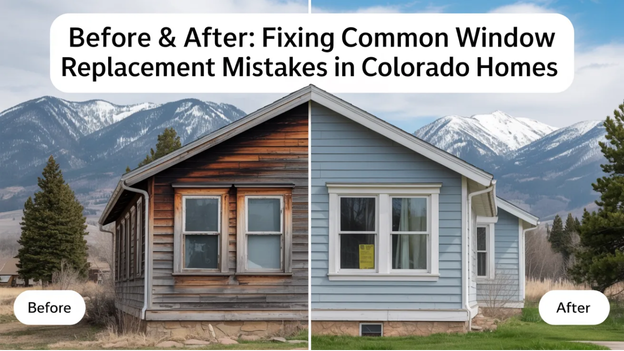
Selecting high-quality windows and doors is only part of the equation in enhancing your home’s comfort, energy efficiency, and aesthetic appeal. Equally crucial is the installation & services that accompany these products. Proper installation ensures that windows and doors perform as intended, providing optimal insulation, security, and longevity.
In Colorado’s diverse climate, where homes face everything from intense sun to heavy snow, the importance of professional installation cannot be overstated. Understanding the importance of quality window and door installations is essential for any homeowner considering this significant investment. This comprehensive guide delves into why installation & services are vital and how they contribute to the overall success of your home improvement projects.
Table of Contents
- The Significance of Professional Installation
- Components of Comprehensive Installation Services
- Benefits of Expert Installation & Services
- Real-World Examples: The Cost of Poor Installation
- Installation Process: Step-by-Step Breakdown
- Common Installation Challenges and Solutions
- Energy Efficiency and Installation Quality
- Materials and Tools: What Professionals Use
- Selecting the Right Installation Partner
- Why Modern Windows and Doors Excels in Installation & Services
The Significance of Professional Installation
Proper installation & services are fundamental to the performance of windows and doors. Even the highest-quality products can underperform if not installed correctly. Professional installation ensures that windows and doors are fitted precisely, sealed adequately, and function smoothly.
Consider this scenario: A homeowner in Denver purchases premium triple-pane windows costing $15,000, expecting significant energy savings. However, due to improper installation with inadequate sealing and incorrect shimming, the windows leak air around the frames. The result? Energy bills remain high, condensation appears between panes within two years, and the homeowner faces costly repairs that could have been avoided with proper installation.
In Colorado, where weather conditions can be extreme—from summer temperatures reaching 100°F to winter lows of -20°F—ensuring that installations are done correctly helps in maintaining indoor comfort and reducing energy costs. Professionals understand local building codes and environmental factors, ensuring that installations meet all necessary standards while withstanding the state’s unique climate challenges.
The Science Behind Proper Installation
Professional installation involves understanding thermal dynamics, moisture management, and structural integrity. For instance, in Colorado’s high-altitude environment, the reduced air pressure can affect how seals perform. Professional installers account for these factors, using specialized techniques and materials that amateur installations often overlook.
Components of Comprehensive Installation Services
A thorough approach to installation & services encompasses several key components that work together to ensure optimal results:
Pre-Installation Assessment
This critical first step involves a comprehensive evaluation of your home’s existing structure. Professional installers examine:
- Structural integrity: Checking for any sagging, warping, or damage in the framing
- Moisture levels: Using moisture meters to detect hidden water damage
- Insulation assessment: Evaluating current insulation effectiveness
- Code compliance: Reviewing current installations against updated building codes
Example: During a pre-installation assessment in a 1970s ranch home in Boulder, installers discovered that the original window frames had settled unevenly, creating gaps that would compromise any new installation. By identifying this issue early, they were able to adjust the installation plan and reinforce the structure before proceeding.
Product Selection Guidance
Professional installation services include expert consultation on product selection. This involves:
- Climate considerations: Recommending products suited for Colorado’s UV exposure and temperature fluctuations
- Architectural compatibility: Ensuring new products complement your home’s style
- Performance requirements: Matching products to your specific needs (noise reduction, security, energy efficiency)
- Budget optimization: Finding the best value without compromising quality
Accurate Measurements and Site Survey
Precision in measurement is crucial for successful installation. Professional services include:
- Laser measurement tools: Ensuring accuracy to within 1/16 of an inch
- Square and plumb verification: Checking that openings are properly aligned
- Multiple measurement points: Taking measurements at various points to account for settling or warping
- Documentation: Creating detailed installation drawings and specifications
Professional Installation Techniques
Skilled technicians utilize industry-best practices and manufacturer specifications, including:
- Proper shimming: Ensuring windows and doors are level and square
- Advanced sealing techniques: Using multiple seal barriers for maximum weather protection
- Flashing installation: Preventing water infiltration with proper flashing systems
- Insulation integration: Coordinating with existing insulation for optimal thermal performance
Post-Installation Inspection and Quality Assurance
The installation process concludes with thorough quality checks:
- Operation testing: Ensuring all moving parts function smoothly
- Seal verification: Testing weather seals for effectiveness
- Aesthetic review: Confirming visual appeal and finish quality
- Performance documentation: Providing homeowners with warranty information and maintenance guidelines
Benefits of Expert Installation & Services
Investing in professional installation & services offers numerous advantages that extend far beyond the initial installation:
Enhanced Energy Efficiency
Proper installation can improve energy efficiency by up to 40% compared to DIY or substandard professional work. This translates to:
- Reduced heating costs: Properly sealed windows can save $200-400 annually on heating bills in Colorado
- Improved cooling efficiency: Professional installation reduces unwanted heat gain in summer
- Consistent indoor temperatures: Eliminating drafts and hot spots throughout your home
Case Study: A homeowner in Colorado Springs replaced 12 windows with professional installation. Their energy audit showed a 35% reduction in energy loss, resulting in $380 annual savings on utility bills.
Improved Security and Safety
Correctly installed windows and doors provide superior protection through:
- Reinforced mounting: Professional installation ensures secure attachment to structural elements
- Enhanced locking mechanisms: Proper alignment ensures security features function optimally
- Tempered glass installation: Following safety codes for glass placement and support
- Emergency egress compliance: Ensuring bedroom windows meet fire safety requirements
Increased Property Value and Longevity
Expert installation protects your investment by:
- Extending product lifespan: Proper installation can double the life expectancy of windows and doors
- Maintaining warranties: Many manufacturers require professional installation to honor warranties
- Boosting resale value: Quality installation is evident to home inspectors and potential buyers
- Preventing costly repairs: Avoiding water damage, structural issues, and premature replacement
Real-World Examples: The Cost of Poor Installation
Understanding the consequences of inadequate installation helps illustrate the value of professional services:
Example 1: The $30,000 Mistake
A homeowner in Aspen attempted to save money by hiring an unlicensed contractor for a $20,000 window replacement project. Within 18 months:
- Water infiltration damaged interior walls and flooring
- Mold growth required professional remediation
- Structural repairs were needed due to rot
- Total additional costs exceeded $30,000
Example 2: Energy Efficiency Failure
A Lakewood family installed energy-efficient windows but skipped professional installation to save $2,000. Results after one year:
- Energy bills remained unchanged due to air leaks
- Condensation issues required window replacement
- Lost energy savings totaled $1,200 annually
- The “savings” actually cost them significantly more
Example 3: Security Compromise
A Denver homeowner’s DIY door installation looked acceptable but failed during an attempted break-in because:
- Screws were too short to properly anchor the frame
- The strike plate wasn’t reinforced correctly
- Weather stripping gaps provided entry points
- Insurance claimed installation negligence, denying the claim
Installation Process: Step-by-Step Breakdown
Understanding the professional installation process helps homeowners appreciate the complexity and value of expert services:
Phase 1: Preparation and Protection (Day 1)
Site Preparation:
- Furniture removal and floor protection
- Utility marking and temporary disconnection if needed
- Weather monitoring and contingency planning
- Tool and material staging
Removal Process:
- Careful removal of existing windows/doors to preserve surrounding materials
- Inspection of revealed framing and structure
- Identification of any unexpected issues
- Proper disposal of old materials
Phase 2: Structural Assessment and Modification (Days 1-2)
Structural Evaluation:
- Measuring and documenting actual opening dimensions
- Checking for square, level, and plumb conditions
- Assessing load-bearing requirements
- Identifying necessary modifications
Preparation Work:
- Framing adjustments or reinforcement
- Insulation upgrade or replacement
- Moisture barrier installation
- Rough opening preparation
Phase 3: Installation and Integration (Days 2-3)
Product Installation:
- Precise positioning using professional-grade equipment
- Multi-point shimming for perfect alignment
- Fastening according to manufacturer specifications
- Integration with existing structure
Sealing and Weatherization:
- Primary seal application around the frame
- Insulation installation in cavities
- Secondary weather barrier application
- Exterior caulking and flashing
Phase 4: Finishing and Quality Control (Day 3)
Interior and Exterior Finishing:
- Trim installation and painting
- Hardware adjustment and lubrication
- Glass cleaning and protective film removal
- Touch-up work as needed
Final Inspection and Testing:
- Operation testing for smooth function
- Weather seal verification
- Security feature confirmation
- Customer walkthrough and education
Common Installation Challenges and Solutions
Professional installation services are equipped to handle various challenges that commonly arise during window and door installations:
Challenge 1: Structural Irregularities
Problem: Older homes often have settled or shifted, creating out-of-square or out-of-level openings.
Professional Solution:
- Use advanced shimming techniques to create perfectly square installations
- Install structural reinforcement where needed
- Employ custom fabrication when standard products don’t fit
- Coordinate with structural engineers for major modifications
Example: A 1920s home in Capitol Hill had windows that were 2 inches out of square. Professional installers used precision shimming and custom trim work to install modern windows that appeared perfectly fitted while maintaining the home’s historic character.
Challenge 2: Weather-Related Constraints
Problem: Colorado’s unpredictable weather can create installation delays and complications.
Professional Solution:
- Flexible scheduling with weather monitoring
- Temporary weatherization during multi-day projects
- Climate-controlled staging areas for materials
- Rapid response teams for emergency situations
Case Study: During a blizzard in February, professional installers in Vail had to halt installation mid-project. They immediately installed temporary weatherization, preventing any interior damage, and resumed work as soon as conditions permitted.
Challenge 3: Code Compliance and Permitting
Problem: Building codes change frequently, and older installations may not meet current standards.
Professional Solution:
- Stay current with all local building codes
- Handle permit applications and inspections
- Ensure egress window compliance in bedrooms
- Meet energy efficiency requirements
Challenge 4: Material Compatibility Issues
Problem: New windows and doors must integrate with existing materials and systems.
Professional Solution:
- Material compatibility testing before installation
- Custom flashing and trim solutions
- Coordination with other building systems (HVAC, electrical)
- Long-term performance guarantees
Energy Efficiency and Installation Quality
The relationship between installation quality and energy efficiency is direct and significant. Poor installation can negate the benefits of even the most advanced energy-efficient products.
Air Infiltration: The Hidden Energy Thief
Air leaks around poorly installed windows and doors can account for 25-30% of heating and cooling energy loss. Professional installation addresses this through:
Multi-Layer Sealing Systems:
- Primary seals between the frame and glass
- Secondary seals between frame and rough opening
- Tertiary seals integrated with house wrap and vapor barriers
Advanced Sealing Materials:
- Low-expansion foam that won’t bow frames
- Butyl-based sealants that remain flexible in temperature extremes
- Vapor-permeable materials that prevent moisture trapped
Thermal Bridging Elimination
Professional installers understand thermal bridging—the transfer of heat through conductive materials—and employ techniques to minimize it:
- Thermal Breaks: Installing materials that interrupt heat transfer paths
- Insulated Shims: Using non-conductive shimming materials
- Continuous Insulation: Ensuring no gaps in the thermal envelope
| Installation Quality | Annual Energy Loss | Cost Impact | Long-term Consequences |
| Professional Installation | 5-10% loss | $50-100/year | Minimal maintenance, full warranty coverage |
| Average DIY | 15-25% loss | $150-300/year | Moderate repair needs, possible warranty voids |
| Poor Installation | 30-50% loss | $400-600/year | Extensive repairs, premature replacement |
Materials and Tools: What Professionals Use
Understanding the difference in materials and tools used by professionals versus typical DIY approaches illustrates the value of expert installation:
Professional-Grade Sealants and Adhesives
High-Performance Sealants:
- Structural Glazing Compounds: Designed for long-term adhesion and weather resistance
- Hybrid Polymer Sealants: Combining flexibility with durability
- Specialized Foam Products: Low-pressure formulations that won’t distort frames
Example: Professional installers use Tremco Spectrem 1 structural glazing sealant, which costs $45 per tube compared to $8 hardware store caulk. The professional product maintains its seal for 20+ years, while standard caulk typically fails within 3-5 years.
Advanced Installation Hardware
Fastening Systems:
- Structural Screws: Engineered for specific load requirements
- Adjustable Anchoring Systems: Allowing for precise positioning
- Corrosion-Resistant Materials: Stainless steel and specialized coatings
Shimming Materials:
- Composite Shims: Won’t compress or rot over time
- Adjustable Shims: Allowing for precise alignment
- Thermal Break Shims: Preventing heat transfer through fastening points
Specialized Installation Tools
Measurement and Alignment:
- Laser Levels: Ensuring perfect horizontal and vertical alignment
- Digital Measuring Systems: Accuracy within 1/32 inch
- Moisture Meters: Detecting hidden water damage
Installation Equipment:
- Pneumatic Fastening Tools: Consistent, proper fastener placement
- Glass Handling Equipment: Safe manipulation of large panels
- Weatherization Applicators: Even, consistent seal application
Selecting the Right Installation Partner
Choosing a reliable provider for installation & services requires careful consideration of multiple factors:
Experience and Specialization
Look for companies with demonstrated expertise in your specific needs:
Years in Business: Companies with 10+ years of local experience understand regional challenges Specialization: Firms focusing specifically on windows and doors rather than general contractors Project Portfolio: Examples of similar projects in your area and home style Manufacturer Relationships: Certified installers for major window and door brands
Certifications and Professional Standards
Verify that potential installers meet industry standards:
Required Certifications:
- State Licensing: Current contractor’s license in Colorado
- Insurance Coverage: Both liability and workers’ compensation
- Manufacturer Certifications: Training certificates from product manufacturers
- Industry Association Membership: Better Business Bureau, local contractor associations
Professional Standards:
- NFRC Certification: Understanding of energy performance ratings
- AAMA Standards: Knowledge of window and door performance standards
- Local Code Expertise: Current with Denver, Boulder, Colorado Springs building codes
Customer Feedback and References
Thoroughly research potential installers through multiple sources:
Online Reviews:
- Google Reviews with detailed, recent feedback
- Better Business Bureau ratings and complaint resolution
- Angie’s List or similar professional review platforms
- Social media presence and customer interactions
Direct References:
- Recent customer contacts for phone conversations
- Permission to view completed projects in person
- Long-term customer satisfaction follow-up
- Problem resolution examples
Warranty and Service Commitment
Understanding warranty coverage is crucial for long-term satisfaction:
Installation Warranty:
- Labor Warranty: Minimum 5-year coverage on installation work
- Callback Policy: Free return visits for adjustment issues
- Transferable Warranties: Coverage that transfers with home ownership
- Product Integration: Coordination between product and installation warranties
Service Commitment:
- Response Time: Guaranteed response for warranty issues
- Preventive Maintenance: Annual inspection and maintenance programs
- Emergency Service: After-hours contact for urgent issues
- Parts Availability: Long-term access to replacement components
Cost Considerations and Value Assessment
While cost is important, focus on overall value rather than lowest price:
Pricing Transparency:
- Detailed written estimates with material and labor breakdown
- No hidden fees or surprise charges
- Clear payment schedules tied to project milestones
- Options for different quality levels and price points
Value Indicators:
- Comprehensive Service: Full-service approach from assessment to completion
- Quality Materials: Use of premium fasteners, sealants, and hardware
- Time Investment: Adequate time allocation for proper installation
- Follow-up Service: Post-installation support and maintenance
For expert window installation services that meet all these criteria, consider working with established local professionals who understand Colorado’s unique requirements.
Why Modern Windows and Doors Excels in Installation & Services
At Modern Windows and Doors, we understand that exceptional products require equally exceptional installation & services. Our comprehensive approach to window and door installation sets us apart in the Colorado market through several key differentiators:
Comprehensive Assessment Process
Our installation process begins with a thorough evaluation that goes beyond simple measurements:
Detailed Home Analysis:
- Structural integrity assessment using professional-grade tools
- Energy audit to identify improvement opportunities
- Architectural style analysis for perfect aesthetic integration
- Long-term maintenance planning and recommendations
Advanced Technology Integration:
- 3D modeling for complex installations
- Thermal imaging to identify existing energy loss points
- Moisture detection systems to prevent future problems
- Digital documentation for warranty and service records
Expert Installation Team
Our skilled professionals bring decades of combined experience to every project:
Certification and Training:
- Factory-certified installers for all major window and door brands
- Ongoing education in latest installation techniques and materials
- Local building code expertise across all Colorado municipalities
- Safety certification and insurance for complete protection
Specialized Expertise:
- Historic home restoration experience
- High-altitude installation considerations
- Extreme weather installation techniques
- Custom and specialty product installation
Quality Assurance Program
Every installation undergoes rigorous quality control:
Multi-Point Inspection Process:
- Pre-installation site verification
- In-process quality checkpoints
- Post-installation performance testing
- 30-day follow-up satisfaction confirmation
Performance Guarantees:
- Comprehensive installation warranty coverage
- Energy performance guarantees
- Customer satisfaction assurance
- Long-term maintenance support
Customer-Centric Service Approach
We prioritize customer experience throughout the entire process:
Communication Excellence:
- Regular project updates and scheduling communication
- Transparent problem-solving and solution options
- Educational support for product care and maintenance
- Responsive customer service for all inquiries
Convenience Features:
- Flexible scheduling to accommodate customer needs
- Minimal disruption installation techniques
- Complete cleanup and restoration services
- Emergency response capability
Ready to Enhance Your Home?
The difference between adequate and exceptional window and door installation can mean thousands of dollars in energy savings, decades of reliable performance, and the peace of mind that comes with professional expertise. Don’t compromise on this critical aspect of your home improvement investment.
Professional installation & services represent far more than just putting windows and doors in place—they represent a comprehensive approach to improving your home’s performance, comfort, and value. From the initial assessment through years of ongoing support, the right installation partner becomes an integral part of your home’s long-term success.
At Modern Windows and Doors, we’ve built our reputation on delivering exceptional installation services that maximize the value of your investment. Our team of certified professionals understands the unique challenges of Colorado’s climate and building requirements, ensuring that every installation meets the highest standards of quality and performance.
Whether you’re replacing a single window or undertaking a whole-home renovation, the installation process requires expertise, experience, and attention to detail that only comes from years of specialized focus. Don’t trust this critical investment to anything less than the best.
Experience the difference that professional installation & services can make for your home. Contact us today to schedule a comprehensive consultation and take the first step toward improving your home’s comfort, efficiency, and beauty. Our team is ready to help you navigate every aspect of your window and door project, from initial planning through final installation and beyond.


 Request a consultation