Colorado homeowners should prioritize laminated safety glass, tighter air sealing, and upgraded locking hardware because those three upgrades directly address hail breakage, outside noise, and forced entry. Colorado’s weather and elevation make “standard” window packages feel fine on paper but underperform in real life, especially on the Front Range.
Key Takeaways
Key takeaways are that laminated glass improves post-impact safety, sound ratings (like STC) help compare noise control, and proper flashing/air sealing often matters as much as the glass package.
“Hail-resistant” usually means stronger glazing choices, not “hail-proof.”
STC is a standardized sound rating based on ASTM methods, so it’s useful for comparisons.
Air leaks around the frame can undermine noise control and comfort.
Flashing and water management details prevent hidden wall damage around windows.
Why do Colorado homes need different window upgrades?
Colorado homes need different window upgrades because hail risk and weather swings are unusually high across the Front Range, and that changes what fails first. The Rocky Mountain Insurance Information Association notes the Front Range is in “Hail Alley,” with recurring catastrophic hailstorms and billions in insured losses over time.
That doesn’t mean every home needs the most expensive glass available. It means your upgrade money should go to the failure points Colorado is famous for: impact events, drafts, and comfort issues.
What does “hail-resistant glass” actually mean?
“Hail-resistant glass” usually means you’re selecting glazing that’s more resilient to impact and safer if it breaks, not that it can’t break. In real-world terms, you’re trying to reduce (1) the chance of breakage and (2) the mess, safety risk, and water intrusion if breakage happens.
A practical upgrade path many homeowners use is:
A stronger outer pane choice (often tempered in many applications)
A laminated inner pane so the glass tends to stay together if cracked
A frame + installation that keeps water out if the outer pane is damaged
If you’re comparing “impact-rated” windows, understand that impact certification is often tied to windborne-debris standards built for hurricanes. ASTM notes those standards were developed for hurricanes but may be used for other similar windstorms involving debris.
What are laminated safety glass options, and why do they matter?
panes so the glass tends to remain bonded after it cracks. This is why laminated glass is commonly discussed as “stays together” glass and why it’s used in applications where post-breakage behavior matters.
Two practical benefits for Colorado homeowners:
Post-impact safety: fewer loose shards and a “held together” break pattern.
Security delay: it can take longer to penetrate than standard annealed glass because the interlayer resists quick punch-through.
What to ask for when you’re shopping:
“Is laminated glass included on the interior pane?”
“Is it laminated on all operable units or only fixed windows?”
“Does the quote specify laminated thickness/interlayer type?”
How do you reduce outside noise with windows?
You reduce outside noise with windows by improving both glass performance and airtightness, because sound sneaks through gaps just like cold air. This is why “better glass” can underperform if the installation leaves leakage around the frame.
The simplest way to compare window sound control is the Sound Transmission Class (STC) rating. STC is a single-number rating used to compare sound insulation performance, and it’s calculated based on ASTM methods (including ASTM E90 measurements and ASTM E413 rating procedure).
Noise-control upgrades that usually help the most:
Laminated (acoustic) glass (often improves sound damping versus standard glass).
Thicker or mixed-thickness panes (breaks up vibration patterns).
Better perimeter sealing and air sealing at the rough opening (stops the “gap leak” pathway).
Which window security hardware upgrades are worth it?
Window security upgrades that are usually worth it are the ones that harden the easiest entry points: weak latches, easy-to-pry sashes, and ground-level openings.
A good “security stack” looks like this:
Upgraded window locks (ask about stronger sash locks or multi-point style hardware where available)
Properly aligned frames (a window that’s out of square often doesn’t lock as tightly)
Laminated glass on vulnerable openings (adds resistance and delays entry compared to a quick smash)
Research summaries aimed at policing and prevention note that burglars often exploit unsecured windows and doors, and a large share of burglaries involve forced entry using simple tools.
How do you pick the right upgrade package for your home?
You pick the right upgrade package by matching features to the problem you’re actually trying to solve.
If hail is your top concern: prioritize laminated safety glass options and ask about impact performance.
If noise is your top concern: prioritize a higher STC-rated configuration and airtight installation details.
If security is your top concern: prioritize locking hardware upgrades plus laminated glass on first-floor windows.
Example / Template
Example / template tables are useful because they make “feature shopping” concrete and comparable.
Problem you’re solving
Best upgrade to ask about
Why it helps
Hail damage risk
Laminated safety glass on interior pane
Holds together after cracking; safer break behavior
Road / neighbor noise
Higher STC configuration + airtight install
STC helps compare sound control; air leaks kill performance
Forced entry concern
Stronger locks + laminated glass on first floor
Harder to defeat quickly than basic latch + standard glass
Drafts + comfort swings
Proper air sealing around the frame
Reduces leakage pathways that cause drafts
Hidden water intrusion risk
Proper flashing tied into drainage plane
Directs water out instead of into the wall
FAQs
Is laminated glass the same as tempered glass?
Laminated glass is not the same as tempered glass because laminated glass uses an interlayer to keep cracked glass bonded, while tempered glass is heat-treated to break into smaller pieces. Laminated glass is often chosen for post-breakage behavior and can also help with sound damping.
What is a “good” STC rating for windows?
A “good” STC rating depends on how noisy your area is, but the key is using STC to compare options consistently. STC is a standardized rating tied to ASTM test and rating methods, so it’s useful for apples-to-apples comparisons across products.
Are impact-rated windows worth it in Colorado?
Impact-rated windows can be worth it if you want a higher level of impact testing and you’re comparing products with clear documentation. Many impact ratings reference hurricane windborne-debris standards, and ASTM notes those standards may be used for other similar windstorms involving debris.
Does installation really matter for noise and comfort?
Installation matters for noise and comfort because air leaks around the window/frame act like a direct pathway for drafts and sound. Window and door openings are vulnerable points, and proper flashing and air sealing are part of preventing performance problems over time.
Checklist
A checklist is the fastest way to make sure your quote includes what you think it includes.
Identify your top risk: hail, noise, or security.
Ask for laminated glass options on vulnerable windows.
Compare STC ratings when noise is a priority.
Confirm flashing details and water management approach.
Confirm interior air sealing method around the frame.
Make locks and hardware part of the scope, not an afterthought.
Summary
Colorado-friendly window upgrades come down to three things: safer glass choices (often laminated), better sound control (often measured with STC), and better security/comfort through sealing and hardware. Hail and high-contrast weather make these upgrades more than “nice to have” for many Front Range homes.
If you want one simple rule: choose the upgrades that still matter on the worst day of the year—a hailstorm, a windy cold front, or a noisy summer night. When the glass, seals, and locks are chosen intentionally, your windows stop being a weak point and start being a real performance upgrade.
Ready to upgrade for Colorado hail, road noise, and better security? Schedule a complimentary consultation with us today and ask for a quote that includes laminated safety glass options, noise-control configurations, and upgraded locking hardware. We serve Colorado Springs and the entire Front Range.
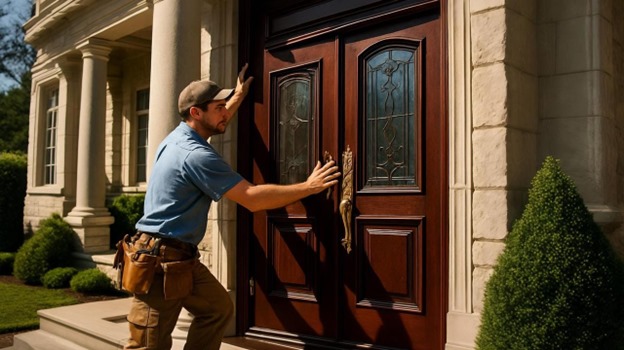
Whether you’re hiring a pro (recommended) or just preparing your home, these tips help ensure a smooth, clean, compliant install, and great long-term performance.
Before Installation Day
1) Confirm the Scope and Measurements
Review your signed proposal: window/door types, sizes, glass, colors, hardware, and grids.
Verify door handing and egress/lite requirements for bedrooms and baths.
Re-measure rough openings, noting any out-of-square conditions.
2) Choose the Right Installation Method
Insert/retrofit uses the existing frame—faster and less intrusive if the frame is sound.
Full-frame replacement removes the old frame—best for damaged frames, air/water issues, or when changing styles/sizes.
Align the choice with performance goals and budget; ask your installer to explain why. Why hire a pro? Professional installation ensures proper flashing, sealing, and weatherproofing. According to the U.S. Environmental Protection Agency, upgrading from old single-pane windows to certified replacements can cut household energy bills by up to 13%. The 2024 Cost vs. Value report also notes that vinyl window replacements recoup about 67% of their cost at resale.
3) Plan for Water Management
Moisture is the enemy. Ensure your installer includes:
Sloped or pan-flashed sills.
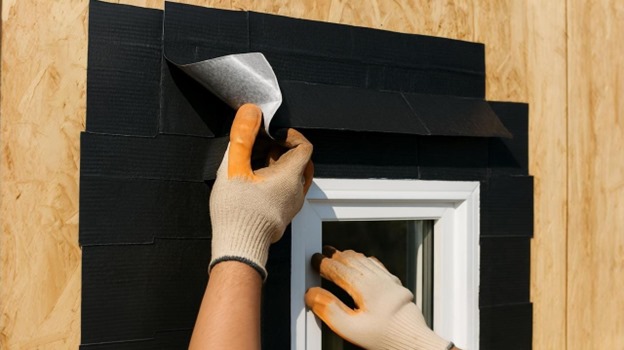
Self-adhesive flashing applied shingle-style around the perimeter.
Backer rod and low-expansion foam for insulation.
High-quality exterior sealant compatible with cladding.
4) Prep the Home
Clear 3–4 feet around each opening; remove blinds, curtains, art, and small furniture.
Create a clear path from entry to work areas; protect floors.
Secure pets and prepare for noise and dust.
If painting or stucco is planned, coordinate the order and drying times with your installer.
During Installation
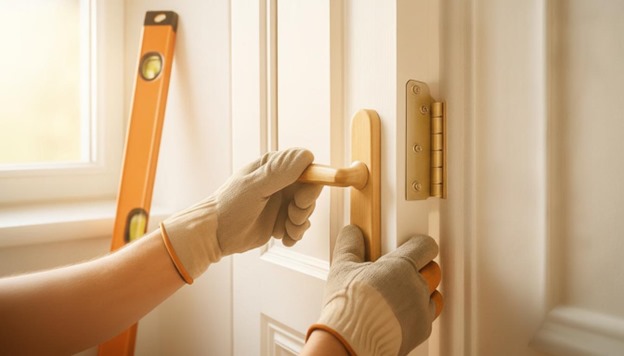
5) Verify Plumb, Level, and Square—Don’t Rush This Step
Dry fit, then set with shims at structural points.
Fasten per manufacturer specs (over-driving can warp frames).
Check reveal gaps and sightlines before sealing.
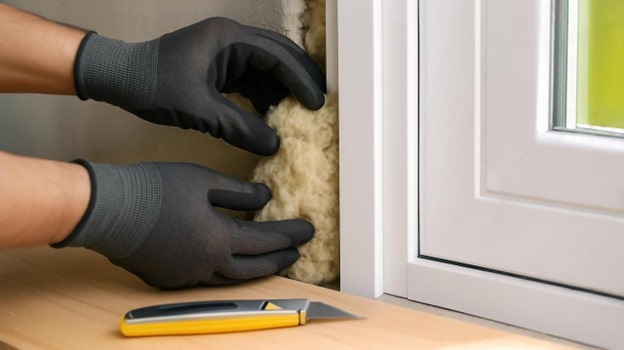
6) Insulate Correctly
Use low-expansion foam or mineral wool; avoid over-filling.
Maintain weep paths and drainage channels.
7) Seal the Exterior Like a Weather Jacket
Apply sealant to clean, dry surfaces.
Tool smooth, continuous beads.
Follow temperature and cure-time guidelines.
8) Protect Finishes
Mask cladding and trim if caulking or painting nearby.
Use drop cloths; vacuum as you go to prevent scratches.
After Installation
9) Function Check & Adjustments
Operate every sash and door panel; test locks and hinges.
Confirm smooth operation and full engagement of multi-point locks.
Confirm glass type stickers (low-E, tempered where required).
Photograph each opening for records.
Collect care instructions, warranty documents, and proof of permit/inspection.
11) Care & Maintenance Basics
Clean tracks and hardware seasonally; keep weep holes clear.
Use non-abrasive cleaners on glass and finishes.
Re-caulk joints as needed over time.
Common Pitfalls to Avoid
Skipping sill pans or mis-sequenced flashing.
Over-foaming frames, causing bowing.
Blocking weep holes with sealant or debris.
Incorrect door handing or swing direction.
Forgetting tempered/laminated glass in required zones (see International Code Council for current building code standards).
How Modern Windows & Doors Delivers a Great Install
Certified crews trained on manufacturer specifications.
Clean worksites with home protection and daily tidy-ups.
Clear communication: arrival windows, progress updates, and next steps.
Post-install walkthrough so you understand operation and maintenance.
Ready for a Neat, Compliant Install?
Request your in-home estimate and we’ll map out your project step by step. Disclaimer: Building codes and manufacturer instructions vary. Always follow the product’s current installation manual and local regulations. For best results, hire a licensed professional installer.
When it comes to improving your home’s style, comfort, and energy performance, one of the most impactful upgrades you can make is investing in the right window solutions Colorado has to offer. With Colorado’s diverse climate—sun-soaked summers, snowy winters, and fluctuating daily temperatures—windows aren’t just about looks. They are a crucial part of your home’s energy envelope, comfort system, and architectural design.
Choosing the right window solutions Colorado residents trust requires a combination of modern aesthetics, smart engineering, and an understanding of local environmental challenges. Whether you live in Denver, Colorado Springs, Boulder, or a high-altitude mountain town, your windows should do more than just frame a beautiful view—they should also work hard to protect and insulate your home.
Table of Contents
Why Window Solutions Matter in Colorado
Colorado’s Unique Climate Challenges
Top Types of Window Solutions in Colorado
Energy Efficiency and Sustainability
Window Performance Comparison
Custom Window Designs for Colorado Homes
Window Material Options That Work in Colorado
Material Performance Comparison
Energy Savings Calculator
Window Covering Solutions
Professional Installation Matters
How to Choose the Right Window Solutions in Colorado
Why Modern Windows and Doors Is Colorado’s Trusted Choice
Why Window Solutions Matter in Colorado
Understanding why specialized window solutions Colorado homes need is essential before making any decisions. Colorado’s elevation exposes homes to increased UV rays that can fade furniture and strain cooling systems. At Denver’s mile-high elevation (5,280 feet), UV radiation is approximately 25% stronger than at sea level. This means your windows face a constant barrage of intense sunlight that can deteriorate standard glass and frames over time.
Sudden temperature drops—sometimes 40-50 degrees in a single day—demand windows that can handle thermal stress without compromising their seals. For example, a typical spring day in Boulder might start at 70°F in the afternoon and drop to 25°F by midnight, creating expansion and contraction cycles that test even the highest-quality windows.
Beyond performance, the state’s incredible natural beauty—from mountain backdrops to sprawling plains—makes window design just as important as window durability. Homeowners need solutions that offer both functionality and form, maximizing views while minimizing energy loss.
Colorado’s Unique Climate Challenges
Colorado’s climate presents several specific challenges that make choosing the right window solutions critical:
High Altitude Effects: Higher elevation means thinner atmosphere and more intense UV radiation. Mountain communities like Vail (8,150 feet) or Aspen (7,908 feet) experience even more extreme conditions, with UV levels up to 35% higher than sea level locations.
Temperature Extremes: Colorado regularly experiences temperature swings from -20°F in winter to 100°F+ in summer. Some areas, particularly the Eastern Plains, can see temperature variations of 60-80 degrees within 24 hours.
Low Humidity: Colorado’s arid climate (average humidity 20-30%) can cause wood window frames to crack and warp, while also affecting the performance of weatherstripping and seals.
Hail and Wind: The state averages 39 hailstorms per year, with some hailstones reaching golf ball or even baseball size. Wind speeds can exceed 100 mph in certain areas, particularly along the Front Range.
Intense Solar Radiation: Colorado receives approximately 300 days of sunshine per year, with solar radiation levels 15-20% higher than most other states.
Top Types of Window Solutions in Colorado
There is no one-size-fits-all approach when it comes to window solutions Colorado homeowners should consider. Here are the most popular window types that balance performance, aesthetic appeal, and energy efficiency:
Double-pane and Triple-pane Windows
These multi-glass-layer windows include insulating gas fills and low-emissivity coatings to keep your home comfortable year-round. In Colorado’s climate, triple-pane windows can reduce energy loss by up to 50% compared to single-pane windows.
Example: A 2,500 square foot home in Colorado Springs replaced 20 single-pane windows with triple-pane, low-E windows and saw their heating bills decrease by $180 per month during winter months.
Casement Windows
Hinged at the sides and opening outward, these windows provide strong seals against wind and are ideal for ventilation. The compression seal created when casement windows close makes them particularly effective against Colorado’s strong winds.
Best for: Mountain homes exposed to high winds, contemporary architectural styles
Awning Windows
These top-hinged windows are perfect for airflow, even during light rain—an ideal choice in Colorado’s unpredictable weather. They’re commonly used in basements or as accent windows in combination with larger picture windows.
Best for: Areas needing ventilation during Colorado’s afternoon thunderstorms
Picture Windows
Fixed and large, these provide uninterrupted views of Colorado’s landscapes and are often paired with operable side units. Popular configurations include large center picture windows flanked by casement or double-hung windows for ventilation.
Example: A home in Golden with a 12-foot wide picture window facing the Rockies, flanked by two 3-foot casement windows for airflow.
Sliding and Gliding Windows
Excellent for modern designs, these windows offer smooth operation and wide horizontal views. They’re particularly popular in ranch-style homes and contemporary mountain retreats.
Best for: Prairie-style homes, modern mountain cabins, homes with wide horizontal views
Each of these window solutions Colorado residents prefer comes with its own advantages, but all can be tailored to meet specific performance or design needs.
Energy Efficiency and Sustainability
Energy costs can be significant, especially in regions with extreme weather conditions. That’s why energy efficiency is a central factor in evaluating window solutions Colorado families choose. According to the U.S. Department of Energy, 25 to 30 percent of residential heating and cooling energy use is due to heat gain and loss through windows.
In Colorado specifically, where heating costs can account for 40-60% of annual energy bills, efficient windows provide substantial savings. A typical Colorado home with inefficient windows loses approximately $300-500 annually in wasted energy.
Smart Window Technologies
To combat energy loss, smart window technologies have become standard features in high-performance homes:
Low-E Glass: Reflects infrared heat while allowing natural light in, reducing solar heat gain in the summer and retaining warmth in the winter. In Colorado’s intense sun, Low-E coatings can block up to 84% of UV rays while maintaining 70% visible light transmission.
Argon or Krypton Gas Fills: Placed between glass panes to provide enhanced insulation. Argon gas is 38% denser than air, while Krypton is 12 times denser, providing superior insulation properties crucial for Colorado’s temperature extremes.
Thermally Broken Frames: These reduce thermal bridging and improve insulation around the frame edges. In metal frames, thermal breaks can improve energy efficiency by up to 40%.
ENERGY STAR® Certification: This label helps homeowners quickly identify windows that meet or exceed federal efficiency standards. In Colorado (Northern Climate Zone), ENERGY STAR windows must have a U-factor of 0.30 or less and an SHGC of 0.40 or less.
Window Performance Comparison
Window Type
U-Factor Range
SHGC Range
Best Colorado Application
Average Cost per Window
Single-pane
0.90-1.30
0.75-0.90
Not recommended
$150-300
Double-pane
0.30-0.50
0.25-0.40
Standard residential
$300-600
Triple-pane
0.15-0.30
0.20-0.35
High-performance homes
$500-1,200
Double-pane Low-E
0.25-0.35
0.20-0.30
Most popular choice
$400-800
Triple-pane Low-E
0.12-0.25
0.15-0.25
Premium mountain homes
$700-1,500
Lower U-factors indicate better insulation properties; lower SHGC values indicate better solar heat control
The most efficient window solutions Colorado offers not only reduce monthly utility bills but also contribute to eco-friendly living—a value increasingly important to homeowners throughout the state.
Custom Window Designs for Colorado Homes
Design-forward homeowners are looking beyond standard shapes and sizes. Customization plays a significant role in window solutions Colorado contractors are frequently asked to provide. Whether your home is a mountain cabin, urban loft, or modern farmhouse, bespoke window styles elevate your design and improve function.
Popular Custom Design Features:
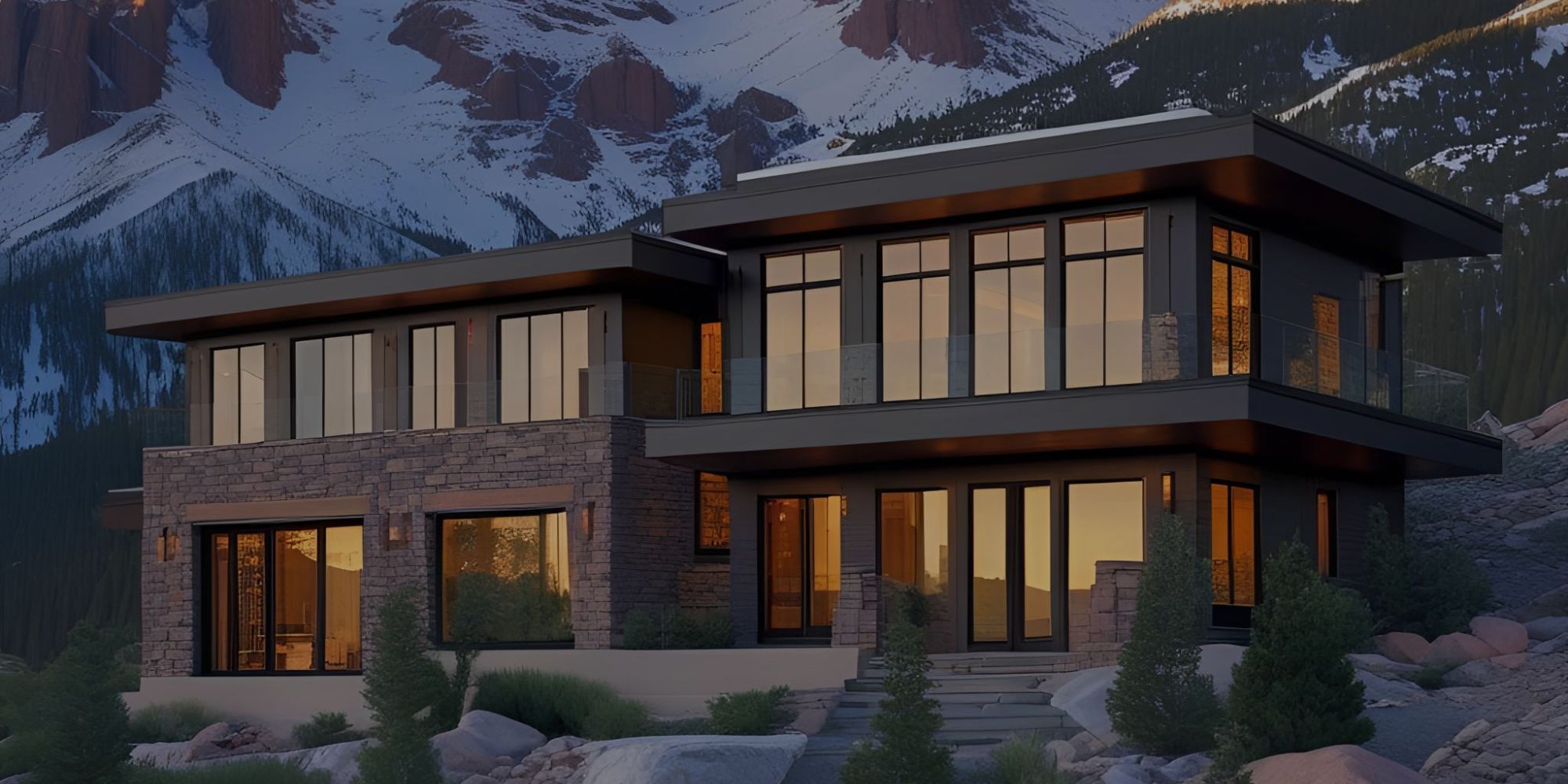
Floor-to-ceiling glass walls that create a seamless indoor-outdoor living experience. These are particularly stunning in mountain homes where they frame views of the Rockies or in prairie homes showcasing endless sky views.
Example: A custom home in Telluride features a 20-foot-wide, 12-foot-tall glass wall system that opens completely to blur the lines between indoor and outdoor living spaces.
Geometric or specialty-shaped windows that follow architectural lines or highlight design features. Popular shapes include triangular windows for A-frame mountain cabins, circular windows for Victorian renovations, and trapezoid windows for contemporary designs.
Motorized or automated shades integrated into smart home systems. These are particularly valuable in Colorado homes with large south-facing windows that need automated solar control throughout the day.
Tinted, obscure, or decorative glass that balances privacy with aesthetics. Popular in urban areas like downtown Denver or Boulder where homes are close together.
Architectural Style Considerations:
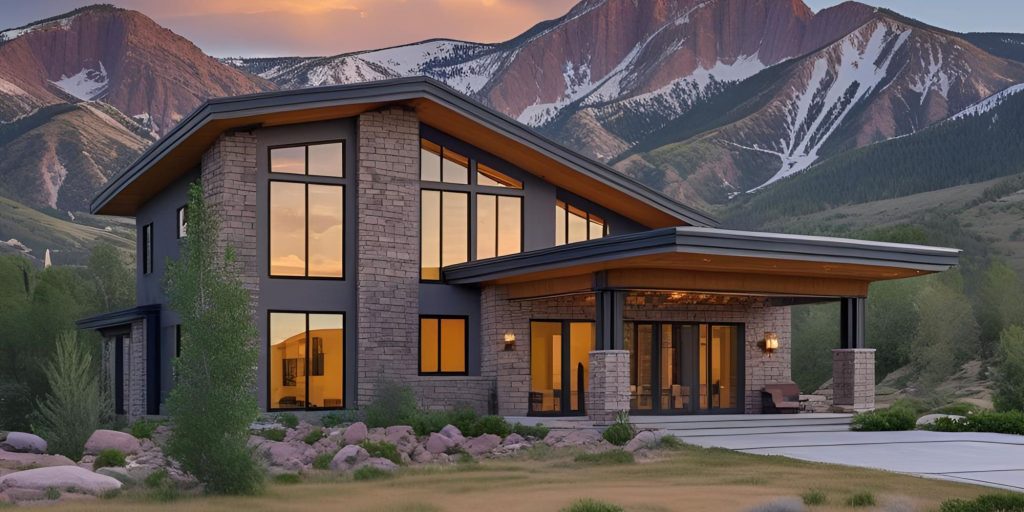
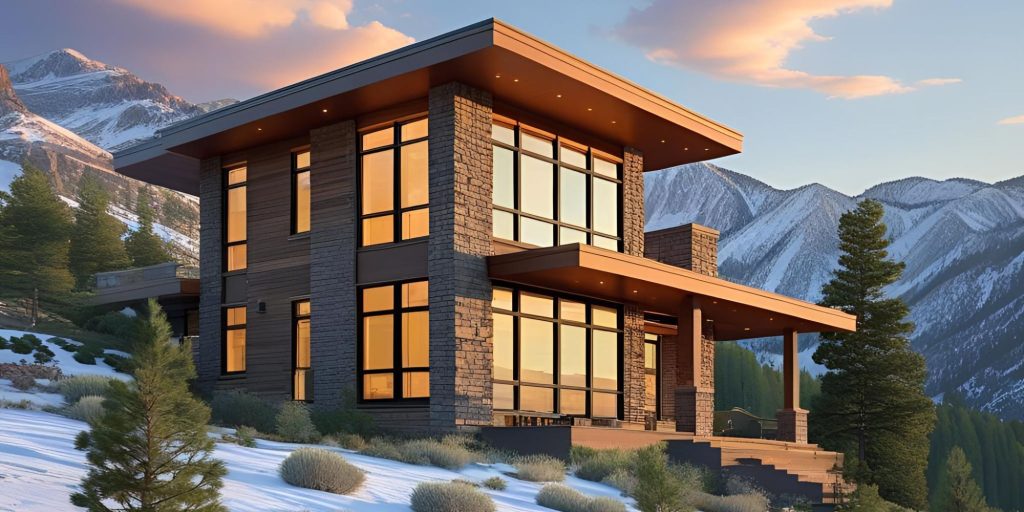
Mountain Contemporary: Large expanses of glass, clean lines, dark frames (black, bronze, or charcoal) Traditional Colorado Ranch: Horizontal emphasis, prairie-style grids, warm frame colors Victorian Restoration: Divided light patterns, decorative glass, historically accurate profiles Modern Farmhouse: Black window frames, large picture windows, mixed window sizes
Custom window solutions Colorado homeowners seek are about more than beauty—they’re engineered for long-lasting performance, compliance with building codes, and climate-specific resilience.
Window Material Options That Work in Colorado
Material selection is a critical element of successful window solutions Colorado residents can rely on. The right frame material impacts everything from maintenance to thermal performance in Colorado’s challenging climate:
Vinyl Windows
Cost-effective, low-maintenance, and provides strong energy performance, making it a go-to option for many homeowners. Modern vinyl formulations include UV stabilizers specifically designed for high-altitude sun exposure.
Pros: Excellent insulation, no painting required, affordable Cons: Limited color options, can become brittle in extreme cold Best for: Budget-conscious homeowners, rental properties, standard residential applications
Fiberglass Windows
Highly durable, does not warp or expand with temperature changes, and has excellent thermal stability—ideal for Colorado’s varying climate. Fiberglass expands and contracts at nearly the same rate as glass, reducing seal failure.
Combines the elegance of natural wood interiors with a protective aluminum exterior, offering both warmth and weather resistance. The aluminum cladding protects against Colorado’s intense UV rays and moisture.
Blend the strength of wood with the low-maintenance of vinyl, offering a modern, durable, and efficient solution. Made from recycled wood fibers and polymer resins.
Pros: Eco-friendly, paintable, excellent insulation, durable Cons: Moderate cost, newer technology with limited track record Best for: Environmentally conscious homeowners, modern designs
All of these materials can be incorporated into the best-performing window solutions Colorado homes need.
Material Performance Comparison
Material
Initial Cost
Maintenance Level
Lifespan (years)
Energy Efficiency
Colorado Suitability
Vinyl
Low
Very Low
20-30
Excellent
Good
Fiberglass
High
Very Low
30-50
Excellent
Excellent
Wood
Medium
High
15-25
Good
Fair
Aluminum-Clad Wood
High
Medium
25-35
Good
Very Good
Composite
Medium-High
Low
25-40
Excellent
Very Good
Energy Savings Calculator
Understanding potential energy savings helps justify window investments. Here’s a realistic example for a typical Colorado home:
Sample Home: 2,200 sq ft, 25 windows, built in 1985 Location: Denver, Colorado Current Windows: Single-pane, aluminum frame Proposed Upgrade: Double-pane, Low-E, vinyl frame
Annual Energy Savings Calculation:
Expense Category
Current Annual Cost
Cost with New Windows
Annual Savings
Heating (Natural Gas)
$1,800
$1,260
$540
Cooling (Electric)
$450
$315
$135
Total Annual Savings
$675
10-Year Savings
$6,750
20-Year Savings
$13,500
Calculations based on average Colorado utility rates and energy usage patterns. Actual savings may vary.
Return on Investment: With new windows costing approximately $15,000 for this home, the payback period would be roughly 22 years through energy savings alone, not including increased home value and comfort benefits.
Window Covering Solutions
Maximizing your window investment includes considering appropriate window coverings. The U.S. Department of Energy provides comprehensive guidance onenergy-efficient window coverings that can further improve your home’s energy performance.
Recommended Window Coverings for Colorado:
Cellular Shades (Honeycomb Shades): Provide excellent insulation, with double-cell shades offering R-values up to 5.0. Particularly effective for large picture windows common in Colorado homes.
Insulated Curtains: Heavy, lined curtains can reduce heat loss by up to 25% when properly installed. Choose light colors for south-facing windows to reflect summer heat.
Exterior Shutters and Awnings: Particularly effective for intense Colorado sun. Exterior solutions can block up to 85% of solar heat gain before it reaches the glass.
Smart/Motorized Shades: Programmable to adjust automatically based on time of day, temperature, or sun position. Particularly valuable for hard-to-reach windows in vaulted ceilings common in mountain homes.
Window Covering Performance Data:
Covering Type
Summer Heat Reduction
Winter Heat Retention
UV Protection
Cost Range
Cellular Shades
40-60%
20-40%
99%
$50-200 per window
Insulated Curtains
35-45%
15-25%
85%
$75-300 per window
Exterior Shutters
70-85%
10-20%
100%
$200-800 per window
Smart Shades
50-70%
25-45%
95%
$300-1,200 per window
Professional Installation Matters
Even the highest-quality window solutions Colorado homeowners choose won’t perform properly without expert installation. Poor installation can reduce energy efficiency by up to 30% and void manufacturer warranties.
Critical Installation Factors:
Proper Sizing and Measurement: Windows must fit precisely. Even 1/8″ gaps can significantly impact performance and allow air infiltration.
Weatherproofing and Sealing: Colorado’s temperature extremes demand superior sealing materials and techniques. Professional installers use specialized sealants rated for temperature ranges from -40°F to 180°F.
Flashing and Water Management: Proper flashing prevents water infiltration, particularly important in areas that experience heavy snow loads and rapid snowmelt.
Code Compliance: Colorado building codes have specific requirements for window performance, particularly in mountainous areas with heavy snow loads.
Why Professional Installation Matters:
A study of window installations in Colorado found that professionally installed windows averaged 23% better energy performance compared to DIY installations. Professional installation also typically includes:
Manufacturer warranty protection
Building code compliance assurance
Proper disposal of old windows
Quality assurance inspections
Performance testing and adjustment
For reliable, professionalwindow installation services, working with experienced local contractors ensures your investment delivers maximum performance and longevity.
How to Choose the Right Window Solutions in Colorado
Making the right choice involves balancing design, performance, budget, and local needs. Consider the following comprehensive steps when evaluating window solutions Colorado homeowners should invest in:
Step 1: Evaluate Your Home’s Layout and Orientation
South-facing windows may need stronger UV protection and solar heat gain coefficients below 0.30. Consider Low-E coatings with selective transmission properties.
North-facing windows may require additional insulation (U-factors below 0.25) since they receive minimal direct sunlight for passive heating.
East and west-facing windows experience intense morning and afternoon sun, requiring balance between solar control and natural light.
Step 2: Consider Your Architectural Style
Modern homes benefit from clean-lined windows with minimal grids and contemporary frame colors like black, bronze, or charcoal.
Traditional homes may require divided-lite patterns, warm frame colors, and historically appropriate proportions.
Mountain contemporary styles often feature large expanses of glass with dark frames to complement natural materials.
Step 3: Factor in Budget and Long-Term Savings
Budget-conscious approach: Focus on double-pane, Low-E vinyl windows in standard sizes. Expected savings: $300-500 annually.
Mid-range investment: Consider fiberglass or composite frames with enhanced Low-E coatings. Expected savings: $500-750 annually.
Result: 35% reduction in energy costs, improved curb appeal, enhanced mountain views
By approaching your project strategically, you’ll ensure that the window solutions Colorado homes need also meet your family’s unique preferences and performance goals.
Why Modern Windows and Doors Is Colorado’s Trusted Choice
At Modern Windows and Doors, we understand what it takes to deliver the kind of high-performance, design-forward window solutions Colorado homeowners are looking for. We specialize in premium products that combine modern aesthetics with best-in-class durability and energy performance.
With over [X] years of experience serving Colorado communities from the Front Range to the high country, we’ve helped thousands of homeowners transform their homes with windows that perform beautifully in our unique climate. Our team understands the specific challenges Colorado presents—from intense UV radiation at altitude to dramatic temperature swings and severe weather events.
Our Colorado Expertise Includes:
Climate-Specific Product Selection: We stock and recommend only window solutions proven to perform in Colorado’s challenging environment. Every product we offer meets or exceeds ENERGY STAR requirements for our climate zone.
Comprehensive Design Services: Our design team works with you to select windows that complement your home’s architecture while maximizing energy efficiency and views of Colorado’s spectacular landscapes.
Professional Installation: Our certified installation teams understand Colorado building codes, permit requirements, and best practices for weather-resistant installation in our climate.
Local Warranty and Service: We stand behind our work with comprehensive warranties and local service support. Unlike national chains, we’re here for the life of your windows.
Our approach is personalized—from your first consultation to final installation. We tailor every project to your vision, ensuring your home benefits from windows that not only look stunning but also perform in Colorado’s unique environment.
Whether you’re building from the ground up, remodeling your dream home, or upgrading for energy savings, Modern Windows and Doors provides the trusted expertise and premium products to help you get the most from your investment.
Recent Colorado Projects:
Custom Mountain Home – Breckenridge: 47 custom windows including 12-foot picture windows with motorized shades, resulting in 40% energy savings and unobstructed ski slope views.
Historic Renovation – Capitol Hill, Denver: Historically accurate window restoration with modern energy-efficient glazing, maintaining architectural integrity while improving performance.
Modern Ranch Upgrade – Colorado Springs: Complete window replacement with contemporary black frames and high-performance glass, reducing energy costs by $680 annually.
Visit our main website atModernWindowsandDoors.com to explore our full range of services and see more examples of how we’ve helped Colorado homeowners enhance their homes with premium window solutions.
Ready to Get Started?
If you’re looking for expertly crafted, energy-efficient, and custom window solutions Colorado families rely on, we’re here to help. Our team of window specialists is ready to help you navigate the options and find the perfect solution for your home and budget.
Contact Modern Windows and Doors today for a free consultation and let us show you how the right windows can transform your space from ordinary to exceptional. We’ll provide a detailed assessment of your current windows, explain your options, and provide a comprehensive proposal tailored to your specific needs and Colorado’s unique climate requirements.
Contact us today to schedule your free consultation and take the first step toward more beautiful, comfortable, and energy-efficient windows that will serve your Colorado home for decades to come.


 Request a consultation